
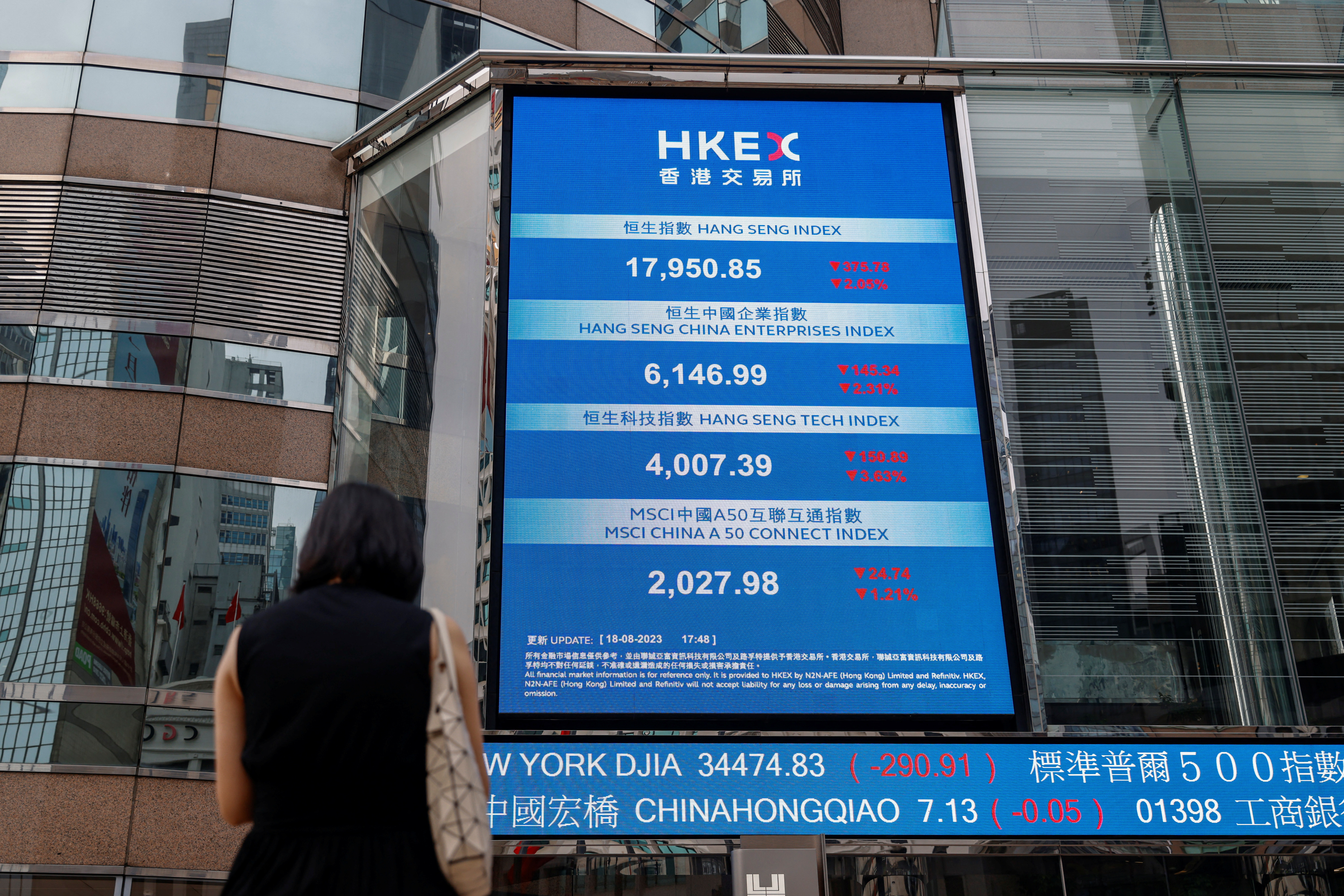
Brent crude (CL=F) jumped about 7 per cent to US$96.85 a barrel in early Asian trading Monday, while S&P 500 (^GSPC) futures slid 0.9 per cent. The move followed Iran’s state news agency reporting a rejection of new peace talks with the United States and confirmation that the Strait of Hormuz was again closed. The euro slipped 0.3 per cent to US$1.1735, and the yen eased 0.2 per cent to ¥158.95 per dollar.
The dollar’s safe-haven bid and unwind of Friday’s rally highlight how the market is recalibrating risk with supply tensions back in focus.
Stocks365 Take: How Reopened Hormuz Risk Reset Market Positioning
The Friday rally in equities and bonds was driven by Iran’s brief announcement that it would reopen the Strait—sending oil down and stocks higher. That optimism was short-lived as, by Sunday night, Iran reversed course, rejecting renewed peace negotiations even as the US announced envoys were heading to Pakistan for possible talks. U.S. sources also confirmed the seizure of an Iranian cargo ship attempting to break the blockade.
Michael Brown, senior research strategist at Pepperstone in London, told Channel News Asia, "Although clearly the news on the Strait of Hormuz closing again is not good, ships being attacked is not good, Trump again with his threats towards Iranian infrastructure is not good, the market is very much looking at this as a case of: when you boil it down, the two sides are still talking." On equities, Brown added: "From an equity perspective, I'd probably be saying we unwind a decent chunk of the gains that we saw on Friday, which in hindsight was the market getting a little bit ahead of itself."
Friday Optimism Flips on Renewed Geopolitical Tensions
The conflicting signals—new U.S. diplomatic overtures and Iran’s public rejection—have refocused market attention on the risks to energy supply through one of the world’s key shipping lanes. As the Strait was reclosed after only about 12 hours of reopening, most of Friday’s cross-asset optimism unwound during thin overnight trading. The dollar strengthened while risk assets fell, underscoring investor caution.
What to Watch as U.S. Markets Reopen
The first test will be whether Brent crude’s move above $96 per barrel holds into the European session. Energy equities are likely to outperform if oil sustains these levels. On the other hand, any fresh diplomatic hints from Iran could see some of these moves retrace rapidly, as seen Friday. Beyond the oil complex, ongoing volatility in FX and futures markets signals a fragile conviction that could shift quickly on new headlines from Washington or Tehran. Persistent closure of the strait and diplomatic stalemate remain the key triggers to monitor for further risk repricing.