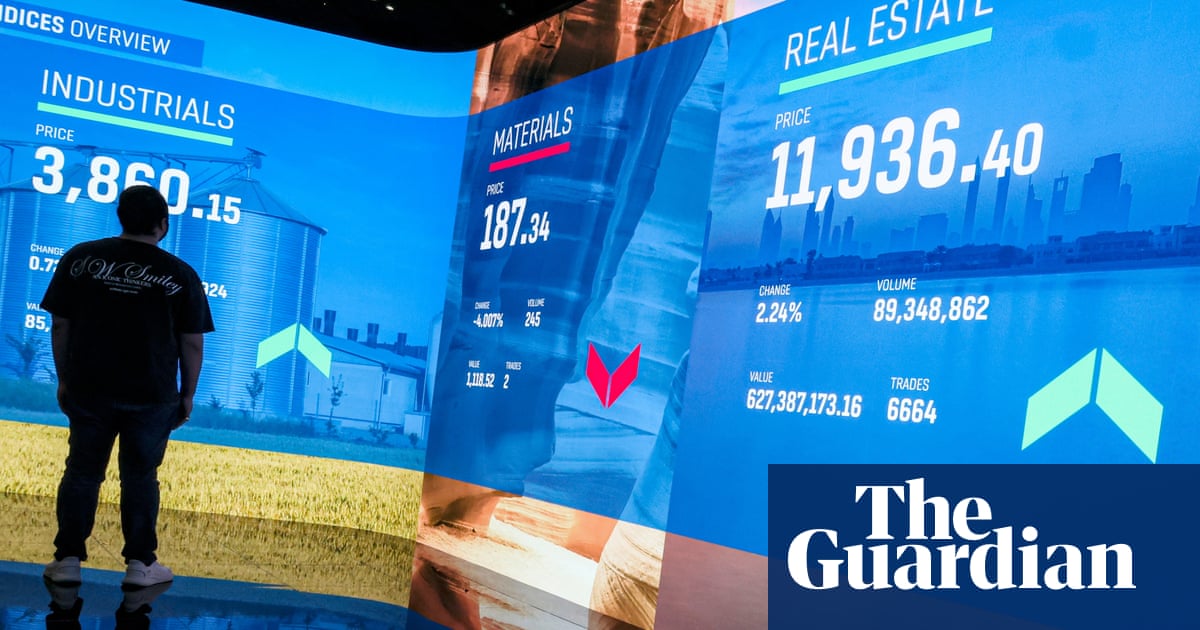
Energy Markets on the Edge
Oil markets are being driven by heightened fear and uncertainty. According to The Guardian, energy traders are scrambling to keep pace with some of the most volatile conditions the sector has seen, as Middle East conflict continues to generate a relentless stream of market-moving headlines. The phrase succinctly summarizing the mood is: 'It's all fear and headlines.'
A Market Defined by Volatility
The connection between Middle East instability and energy price swings is well established, but the current situation is proving especially punishing. As The Guardian reports, the volatility unleashed by the ongoing conflict is exposing traders to heavy losses. The pressure to react in real time is intensifying risk, with one industry analyst noting significant financial hits as market moves happened faster than traders could respond.
For trading desks, the challenge is clear: headlines and rumors are shaping market direction at a speed that outpaces even the most sophisticated strategies. In such a climate, discipline and caution become as important as speed.
The volatility isn't just generating winners and losers in the usual sense—it is raising deeper questions about who is benefiting and how.
Insider Trading Allegations at the Highest Level
An alarming element of the current oil market turmoil is what The Guardian describes as rumours of insider trading at the highest level. These are live concerns among energy traders, who are observing price movements that appear difficult to explain through publicly available information alone.
Even unproven allegations of this kind can damage confidence and trust in the market. When participants suspect the playing field isn't level, confidence is undermined, and price discovery can suffer.
What Traders Are Up Against
Based on The Guardian's reporting, here is what energy traders are navigating right now:
- Headline-driven volatility: Market moves are triggered by geopolitical developments faster than traditional risk models can adapt.
- Heavy losses: Whipsaw price action is catching traders unprepared, with significant financial consequences.
- Insider trading concerns: Rumours at the highest level are eroding trust and creating additional uncertainty.
- Racing to keep pace: The rapid speed of market moves means even well-resourced trading operations are struggling to respond effectively.
The Broader Market Impact
The tremors in the oil market don't stay confined to energy alone. Volatility in crude markets affects related assets and can influence positioning across other commodities and sectors. The rapid swings and insider trading concerns further heighten risk in an already turbulent environment.
What to Watch
- Geopolitical developments in the Middle East: Any escalation or de-escalation can move markets virtually instantaneously.
- Market sentiment among energy traders: When professionals describe conditions in terms like 'fear,' it's a warning sign in itself.
- Potential spillover into other commodities and related markets: Energy sector stress can bleed into broader asset classes.
Outlook
No resolution appears imminent. As long as conflict continues and headlines dominate, energy markets will remain highly volatile. Insider trading rumours add an extra layer of uncertainty that could further undermine market confidence.
According to experienced traders, survival will depend on resisting the urge to chase every move, maintaining strict risk controls, and treating rumour-driven spikes with skepticism. In markets defined by uncertainty, patience and process are crucial.
Stocks365 Take
This is the type of market environment where our signal system truly proves its value. When energy markets are dominated by fear and headlines, momentum-based entries carry elevated risk — and our volatility-adjusted signals are designed to highlight when conditions are too unstable to chase a move profitably.
Our current view: treat energy sector signals with extra caution. If considering long positions in oil-related equities or ETFs, use tighter-than-normal stop-losses to account for headline risk. Wait for confirmation signals — in this climate, first moves are often misleading.
The insider trading rumours remain an important factor to watch for longer-term positioning. If the situation develops, we will update our energy sector recommendations accordingly.
Bottom line: Energy is active, but not orderly. Use risk controls, reduce position size, and wait for clear confirmation before committing capital.
