Tehran Turns to Crypto to Guard Against Sanctions
A geopolitical flashpoint is colliding with the digital asset world in a way that could reshape both global energy flows and the cryptocurrency market. As a fragile US-Iran ceasefire takes shape, Tehran has signaled that payments in digital currency should form part of any toll system for vessels passing through the Strait of Hormuz, according to Bloomberg.
The logic behind the move is blunt and deliberate: tokens cannot be easily confiscated under sanctions. For Iran, routing toll revenues through blockchain-based payments would create a financial pipeline that Western regulators and enforcement agencies would struggle to shut down.
Why the Strait of Hormuz Matters
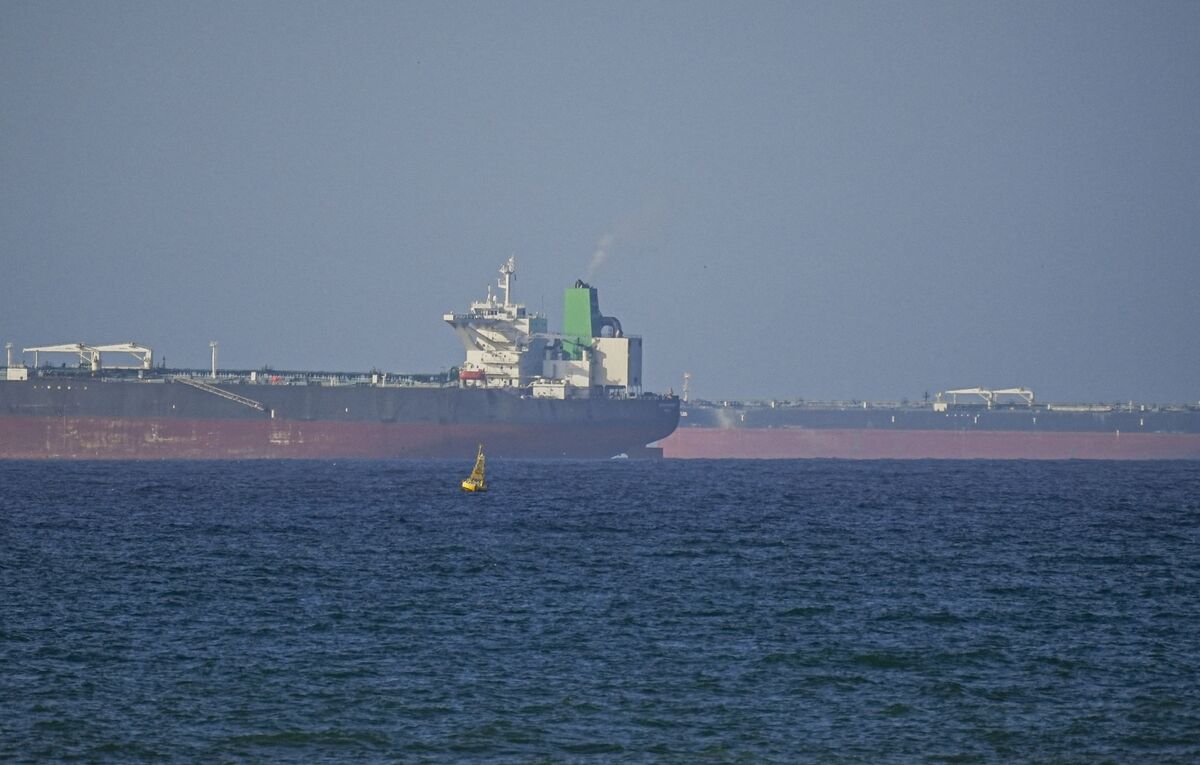
The Strait of Hormuz is no ordinary waterway. It is the chokepoint through which around a fifth of the world's oil normally flows, making it one of the most strategically critical passages on the planet. Any disruption — or any new financial regime governing access to it — carries immediate implications for global energy markets and, by extension, the broader economy.
Iran's push to introduce Bitcoin (BTC) or other digital assets into a formal toll mechanism at Hormuz would mark a significant escalation in the use of crypto as a geopolitical instrument. It would effectively institutionalize what has largely been an informal, gray-market practice — using digital assets to move value beyond the reach of traditional financial infrastructure.
Crypto as a Sanctions Shield
The proposal reflects a broader trend that markets have been tracking for some time: the use of decentralized digital assets by sanctioned states to circumvent the dollar-dominated financial system. As Bloomberg reports, Tehran's ambitions in this space are growing, and the Hormuz toll idea gives those ambitions a concrete, high-profile expression.
For the Bitcoin (BTC) and broader crypto market, the signal is significant. If a sovereign state formally embeds digital currency payments into a critical piece of global infrastructure — even under contested or ceasefire conditions — it adds a new layer of legitimacy and utility to the asset class, albeit one that comes wrapped in geopolitical risk.
Assets worth watching in this context include:
- Bitcoin (BTC) — the most liquid and widely recognized digital asset, and the most likely candidate for any state-level payment mechanism
- Ethereum (ETH) — whose smart contract infrastructure could theoretically underpin a programmable toll payment system
- XRP (XRP) — frequently discussed in cross-border and institutional payment contexts
The Ceasefire Variable
The backdrop to all of this is a ceasefire between the US and Iran that Bloomberg describes as fragile. That word carries weight. A ceasefire is not a peace deal. It is a pause — one that could collapse, be renegotiated, or evolve into something more durable. The outcome will determine whether Iran's crypto toll ambitions remain aspirational or become operational.
If the ceasefire holds and diplomatic talks advance, the Hormuz toll framework — crypto payments included — could become a genuine negotiating point. If it collapses, the strait risks returning to a state of tension that has historically sent oil prices surging and rattled risk assets globally.
Traders exposed to energy commodities, shipping, and digital assets should treat this as a fluid, multi-variable situation rather than a binary outcome.
What Traders Should Watch
Several developments are worth monitoring closely in the days and weeks ahead:
- Ceasefire durability: Any signs of breakdown or escalation at the Strait of Hormuz would be an immediate catalyst for volatility in oil markets and risk assets.
- Diplomatic signals: Statements from US or Iranian officials on the toll framework — and whether crypto payments are formally on the table — could move digital asset markets.
- Regulatory response: Western governments and financial regulators may respond to Iran's crypto ambitions with new enforcement actions or policy signals aimed at closing loopholes in sanctions architecture.
- Crypto market sentiment: The narrative of state-level crypto adoption — even by a sanctioned state — has historically acted as a bullish signal for digital assets. Watch for momentum plays in Bitcoin (BTC) and related tokens.
Outlook
Iran's move to embed crypto into Hormuz toll negotiations is less a market event than a geopolitical signal with market consequences. It underscores the growing intersection of digital assets, energy infrastructure, and international power politics — a combination that is becoming increasingly difficult for traders to ignore.
The fragility of the current ceasefire means uncertainty is the dominant condition. But the direction of travel is clear: digital currencies are moving from the fringes of sanctions evasion into the center of high-stakes geopolitical negotiations. That shift has implications that extend well beyond Iran.
Stocks365 Take
This story sits at the intersection of two of the most powerful macro themes in markets right now: geopolitical risk in energy supply chains and the institutional adoption of digital assets. Our read is that the near-term crypto signal here is cautiously bullish — state-level demand for digital payment infrastructure, even from a sanctioned actor, reinforces the utility narrative that underpins Bitcoin (BTC) and smart contract platforms like Ethereum (ETH).
However, the risk is asymmetric. If the US-Iran ceasefire deteriorates, the Strait of Hormuz becomes a crisis asset rather than a negotiating table, and the resulting oil shock would likely trigger a broad risk-off move that drags crypto down alongside equities.
Our Stocks365 signal system would flag this as a Watch situation rather than an immediate entry. Traders with exposure to digital assets should set alerts around ceasefire-related headlines and consider the energy complex — particularly oil — as the leading indicator. A spike in crude would be the first sign that the fragile peace is cracking, and that would be the moment to reassess crypto positioning with urgency.
For longer-term investors, the structural story here is worth tracking: every time a sovereign actor reaches for crypto as a tool of statecraft, it chips away at the narrative that digital assets are purely speculative. That slow legitimization is a tailwind — just not one you want to ride without a stop-loss in a week like this.
