Crisis in the Gulf Upends Global Oil Markets
The global energy landscape shifted after Iranian drone strikes hit Kuwait's oil infrastructure, dealing a blow to regional supply chains just before OPEC+ members gathered to discuss production policy. According to The Guardian, the timing sharply increased uncertainty, with the attacks preceding critical OPEC+ supply talks and casting a shadow over any agreements reached.
The strikes serve as a reminder that real-world disruptions now outweigh producer decisions at the policy table.
OPEC+ Agrees a Rise—But Symbolism Overshadows Impact
Members of the OPEC+ alliance reportedly agreed to a production increase of 206,000 barrels a day for May, as reported by The Guardian. Under normal circumstances, such a move would carry weight for global crude benchmarks—however, with the Strait of Hormuz effectively closed, the increase is viewed as largely symbolic. The strait is one of the world's most vital oil transit chokepoints, and disruptions there can render upstream production decisions moot.
Kuwait’s Infrastructure Struck Before Key OPEC+ Meeting
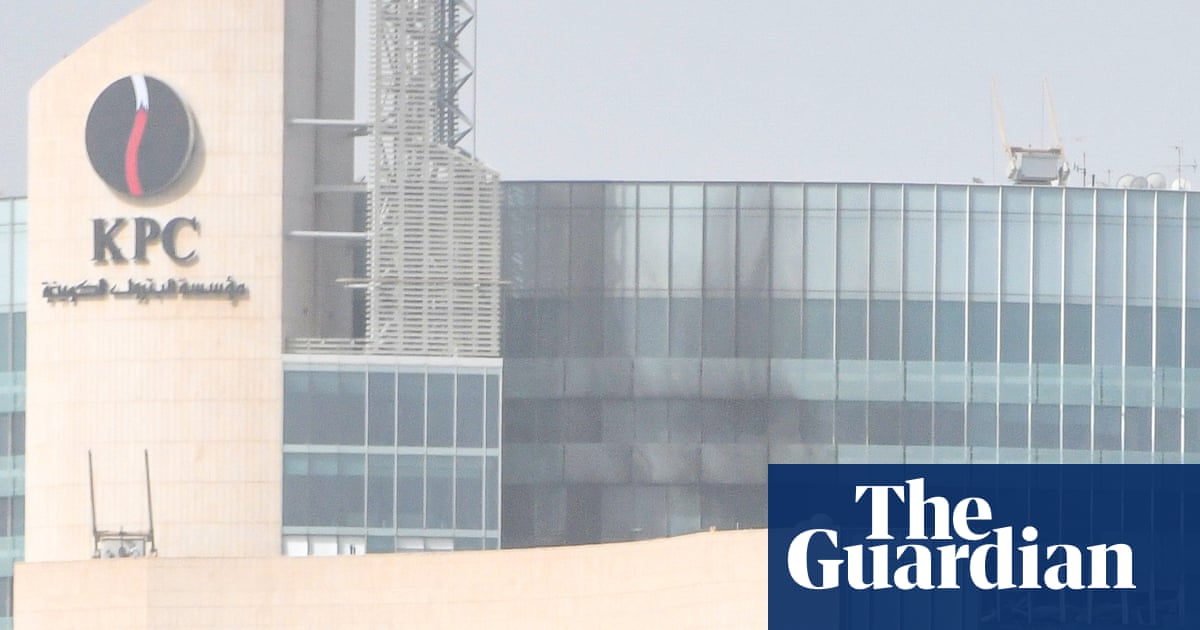
The drone attacks reportedly caused severe material damage at Kuwait Petroleum Corporation sites, including the headquarters and the Shuwaikh oil sector complex. According to The Guardian, fires broke out at oil facilities, and additional strikes were reported on petrochemical plants and government offices. No casualties were reported from the Kuwaiti strikes.
This escalation comes as regional oil infrastructure faces a series of recent attacks, driving home the linkage between Gulf security concerns and OPEC+ production policy.
The Strait of Hormuz: Critical Route, Now 'Effectively Closed'
The scenario of the Strait of Hormuz being 'effectively closed' is no longer hypothetical, according to The Guardian. With transit impaired, OPEC+ commitments to increase supply are difficult to realize. Producers may promise barrels, but the distribution network through this maritime corridor is severely limited for the time being.
- Physical supply disruptions compound already high geopolitical risk premiums.
- Alternative shipping routes are under pressure as logistical constraints mount.
The OPEC+ agreement to raise output is seen by the group as a gesture toward supporting the market, but actual physical flows remain at risk due to infrastructure damage and transit challenges.
What Traders Should Be Watching
The convergence of military strikes, an impaired strait, and an OPEC+ deal seen as largely symbolic creates a complex backdrop for those exposed to energy markets. Developments to monitor include any updates on the status of the Strait of Hormuz, assessments of infrastructure damage in Kuwait, and whether OPEC+ members outside the immediate crisis zone seek to compensate for lost output. Reactions from regional and international authorities on maritime security and energy flows will also bear watching.
Broader market volatility may persist as physical oil supply disruptions increase the risk premium across energy assets.
Stocks365 Take
This event tests the significance of geopolitical risk signals for traders. With physical supply constrained by an 'effectively closed' Strait of Hormuz, standard headline reactions to OPEC+ output increases may be misplaced. For those using Stocks365, monitor energy sector names, tanker companies, and any firms with Gulf infrastructure exposure using our momentum and risk-scanning tools. Exercise caution—headline supply increases may not translate into real-world flows, and volatility is set to remain high across oil-linked assets.
