
Wall Street analysts trimmed fair value estimates for Microsoft (MSFT) and Walt Disney (DIS) this week. While both saw updated targets, the drivers — and implications — for each name are distinctly different. It's not just a macro-driven reset on what investors will pay for growth; Microsoft's valuation is being debated through the lens of AI monetization timing, while Disney's narrative is about cost discipline and renewed strategic focus in streaming and gaming, including reported layoffs of around 1,000 roles.
Why Analyst Target Cuts Mean Different Things for Microsoft and Disney
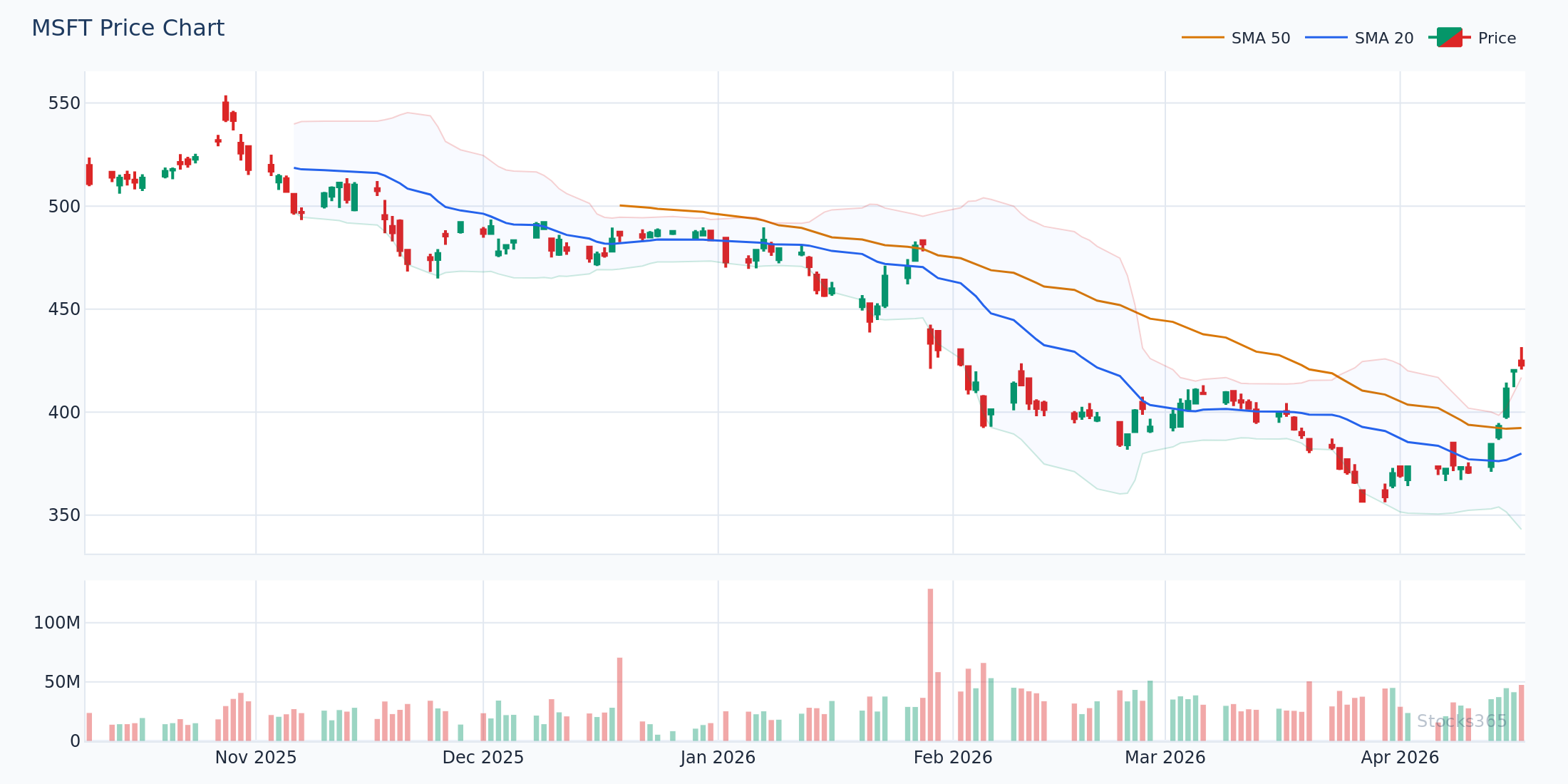
Microsoft (MSFT)'s updated fair value estimate is $579.57, a slight reduction from the prior $587.31. The change, as highlighted by analyst research, comes as optimism around AI and cloud is counterbalanced by more conservative valuation models. Melius Research and Stifel both downgraded Microsoft, and Morgan Stanley removed it as a top pick. Multiple firms — including Mizuho, Piper Sandler, BNP Paribas, UBS, Scotiabank, BMO Capital and Goldman Sachs — cut Microsoft price targets to reflect these more cautious assumptions. BofA reinstated coverage and placed Microsoft on its US 1 list, signaling high conviction even after recent volatility. Goldman Sachs described Microsoft’s increased capital expenditure on AI and data centers as an investment with potential for long-term returns, not simply a cost headwind. The consensus now hinges on the company's ability to deliver AI monetization at scale and on schedule, with timing being questioned much more than the overall story abandoned.
For Disney (DIS), the fair value move was 0.6% lower — from $129.23 to $128.42. This change follows a series of sharper individual analyst target cuts, including $25 from Guggenheim and $15 from BofA, joined by similar moves at Wells Fargo, Barclays, Deutsche Bank, and Rosenblatt. Raymond James, meanwhile, upgraded Disney, and BofA said the quarterly results marked a solid fiscal start — suggesting enduring confidence in Disney’s operating base. Disney’s reported layoff plans (around 1,000 roles, including at Marvel) signal continued cost discipline, while potential gaming collaborations or acquisitions (such as reported Disney executive interest in Epic Games, and the new Disney-themed extraction shooter at Epic) point to new strategic optionality.
Stocks365 Take: Same Surface, Divergent Fundamentals
Both companies are seeing analysts nudge targets lower, but for very different reasons. For Microsoft, price cuts reflect shifting assumptions about the pace — not the eventuality — of AI monetization. High conviction outliers remain, as demonstrated by BofA’s US 1 list add and Goldman Sachs’ positive framing of capex. Disney’s story is more about cost reset, streaming and gaming strategy — with sharper target reductions accompanying evidence of cost discipline and management’s willingness to explore new growth avenues. Layoff and M&A chatter suggest a company preparing for new bets, not retreating. The target revisions themselves are modest in the context of the long-term stories each management team is setting up.
Historical Parallels: Capex Cycles and the Risk of Underpricing Strategic Shifts
The Microsoft discussion echoes the late 2018 cloud capex debate with Amazon and Alphabet, when heavy infrastructure spending temporarily compressed multiples but ultimately supported greater market advantage for early movers. As Goldman Sachs highlights, the strategic view is that capex on AI and data centers is an investment, not simply a near-term earnings drag. For Disney, the parallel is the 2019 streaming and content investment wave; then, the shares were re-rated downward before scale was recognized, but today's Disney is focused on rationalizing and seeking new earnings narratives via cost management and potential gaming optionality.
What to Watch Next: AI Milestones and Gaming Optionality
For Microsoft, any updates on AI monetization or product/pricing milestones — and progress toward its AI chief’s stated ambition of "true self-sufficiency" — will be scrutinized. The gap between the new fair value estimate ($579.57) and current valuation signals either upside or skepticism over execution. For Disney, watch whether its reported engagement with Epic Games translates into a partnership, acquisition talk, or stays mere speculation. The size of recent target cuts ($25 from Guggenheim, $15 from BofA) underscores skepticism about near-term catalysts, but these models may not yet reflect any gaming-driven upside. Execution around Marvel, streaming, and gaming strategy will set the narrative as the market waits for a catalyst to resolve the current valuation debate.
