Oil Markets Surge on Middle East Supply Fears
Oil prices climbed on Monday on persistent concerns over supply disruptions in the Middle East, as shipping bottlenecks linked to the ongoing conflict involving the US, Israel, and Iran rattled global energy markets. According to Channel News Asia, Brent Crude (BZ=F) futures rose $1.71, or 1.6 percent, to $110.74 a barrel by early Asian trading hours, while US West Texas Intermediate Crude (CL=F) gained $0.71, or 0.6 percent, to $112.25 per barrel.
Shipping Disruptions Fuel the Rally
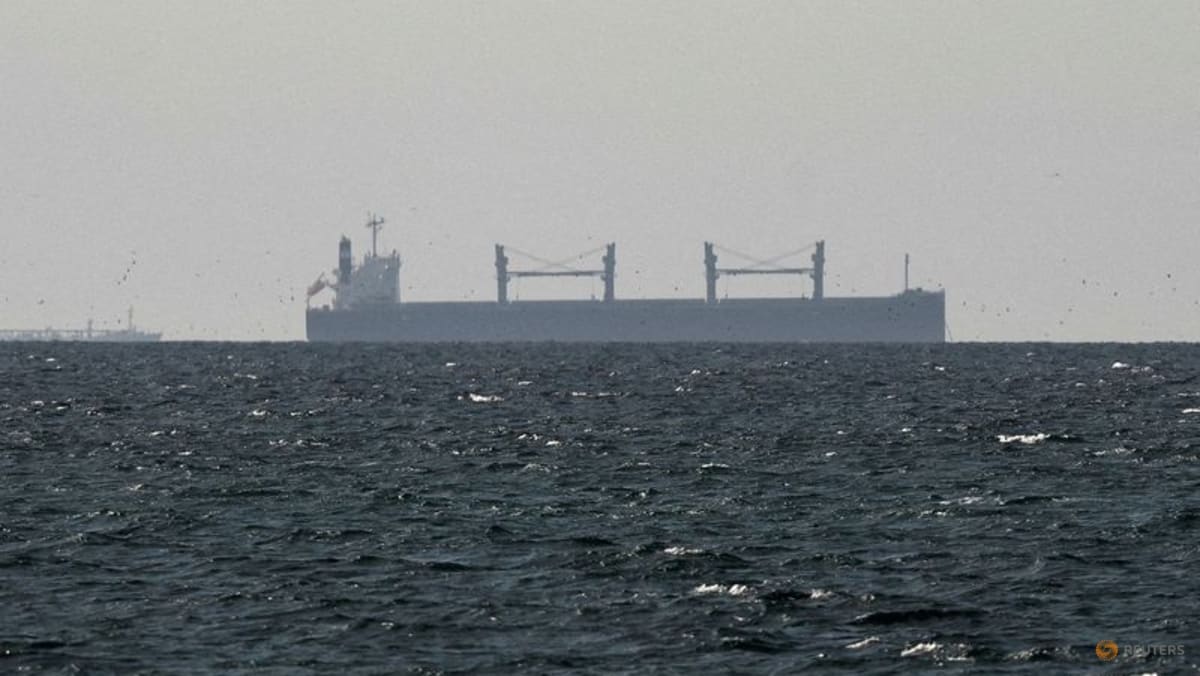
The principal driver behind Monday’s price jump is the continued shipping disruption in the region, according to Channel News Asia. The Strait of Hormuz — a crucial maritime route — remains largely closed due to Iranian attacks on shipping after the war began on February 28, hampering the flow of energy exports from several Gulf producers. While some vessels have reportedly managed to transit the strait, refiners are seeking alternative sources, pushing up demand and pricing for US Gulf Coast and North Sea crude.
Why This Matters Beyond the Pump
Rising oil prices have broad implications for the global economy, including potential impacts on energy producer revenues, increased costs for fuel-intensive sectors, and implications for inflation and monetary policy. Emerging markets that are net oil importers could also be affected as import bills rise and local currencies face additional pressure. These are typical market dynamics during major oil supply disruptions.
What Traders Should Watch
With Brent Crude (BZ=F) trading above $110, traders are focused on the following:
- Potential escalation or de-escalation in Middle East conflicts, which remain a primary price driver.
- Shipping route updates, particularly conditions around the Strait of Hormuz, which is central to global oil transport.
- Responses from other oil producers, including OPEC+ and alternative exporters, given the current market tightness.
- Demand signals from major consuming economies and the potential for high prices to curb consumption.
Geopolitical Context
The ongoing hostilities in the Middle East underline the region’s position as a critical node in global oil supply. According to Channel News Asia, markets are reacting not only to current supply losses but to the risk that disruptions could persist, adding a layer of uncertainty that continues to drive oil higher.
Outlook
Unless there is a significant easing of tensions or a strong supply-side response, oil prices appear likely to remain elevated in the near term. Traders and investors should monitor geopolitical developments in the Middle East closely as the situation continues to evolve.
Stocks365 Take
Today’s move in oil is a clear signal of heightened energy market risk. Stocks365 editorial view: periods of sharp oil price volatility historically favor upstream energy producers and sector-related ETFs. Conversely, sectors with high fuel costs — such as airlines, logistics, and shipping — could see margin pressure. Traders should watch for headlines regarding the Strait of Hormuz and international diplomatic efforts, as these may provide catalysts for further price moves. Stay alert as this remains a highly dynamic situation.
