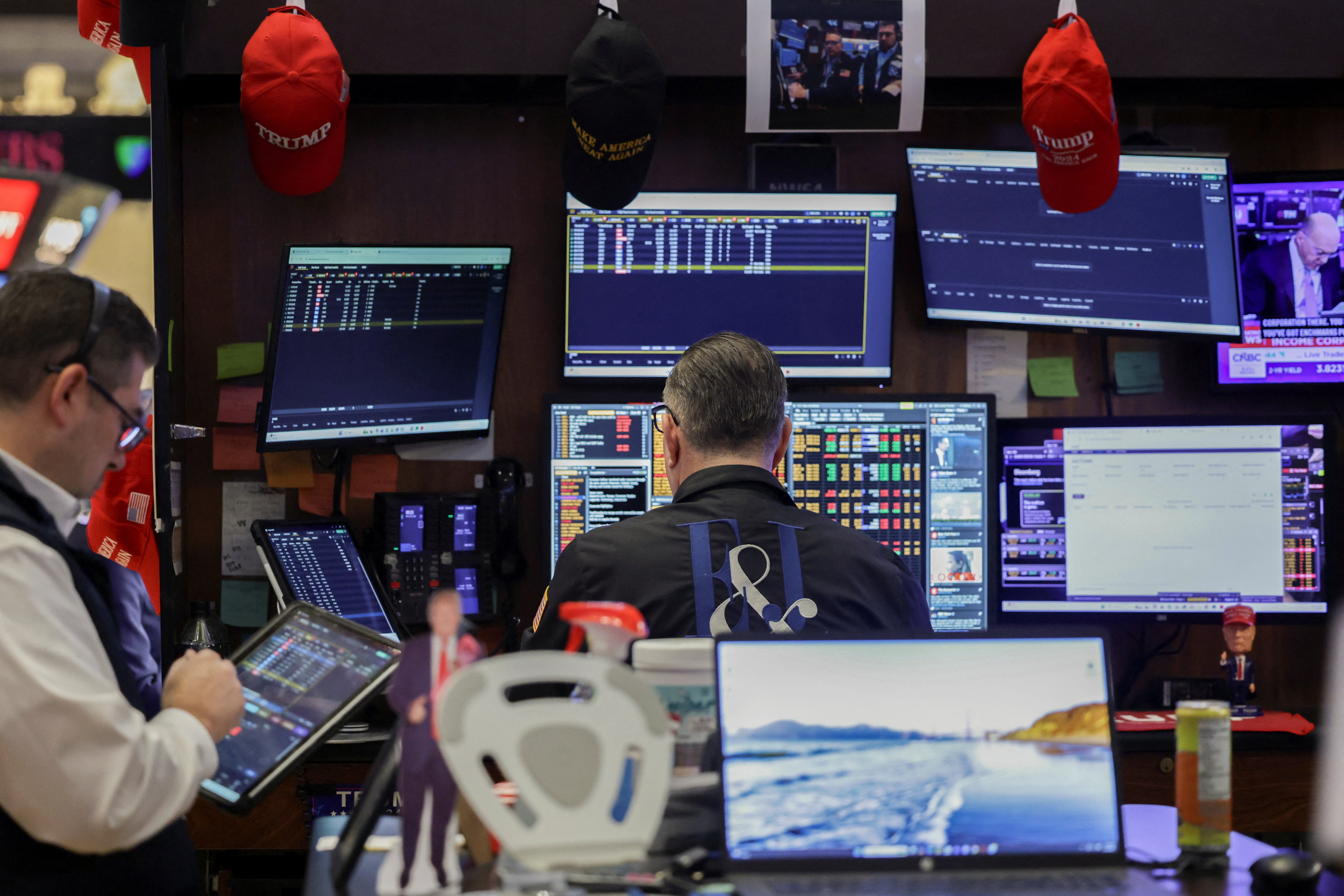
Futures Dip as Geopolitical Pressure Mounts
US stock index futures moved lower on Tuesday as Wall Street investors turned cautious, digesting fresh signals that the Middle East conflict could be heading toward a dangerous new chapter. According to Reuters, the dip came as markets assessed comments suggesting the situation may escalate further — and all eyes are now fixed on President Donald Trump's deadline for Iran to reopen the Strait of Hormuz.
The mood across trading floors was notably defensive, with market participants stepping back to process the geopolitical headlines before making decisive moves. As reported by Yahoo Finance, the futures decline reflects a broader anxiety gripping investors who are trying to gauge just how far this standoff might go.
The Strait of Hormuz: Why It Matters
At the heart of Tuesday's market unease is one of the world's most strategically critical waterways. The Strait of Hormuz is a vital chokepoint for global energy flows, and any disruption to its operations carries far-reaching consequences — not just for oil markets, but for the broader global economy and investor confidence.
Trump's deadline adds a ticking-clock dimension to an already tense situation. With the clock running, traders are watching closely for any developments that could either defuse the standoff or tip the region into a more serious confrontation. The uncertainty itself is enough to keep risk appetite subdued.
Broad Market Impact
The futures weakness casts a shadow over major indices as Tuesday's session approaches. Investors in US equities — including positions tied to large-cap benchmarks — are clearly in a wait-and-see mode. When geopolitical risk spikes without a clear resolution in sight, history shows that markets tend to price in a risk premium, and that dynamic appears to be playing out right now.
Key assets in the crosshairs include energy-linked equities and broader S&P 500 ETF (SPY) and Invesco QQQ Trust (QQQ) tracking instruments, both of which tend to reflect the overall mood of institutional investors. Defense-oriented names and energy stocks may see differentiated moves depending on how the Mideast narrative develops through the session.
Beyond equities, the ripple effects could touch:
- Energy markets — particularly oil, given the Strait of Hormuz's role in global crude flows
- Safe-haven assets — with investors potentially rotating toward defensive plays
- Broad index futures — including those tracking the Dow Jones Industrial Average ETF (DIA) and Russell 2000 ETF (IWM)
What Traders Should Watch Today
With the backdrop this uncertain, traders need to stay close to the news wire. A few critical developments could shift sentiment dramatically before the closing bell:
- Any official response from Iran regarding the Strait of Hormuz — whether defiant or conciliatory, it will move markets
- White House statements from President Trump or senior officials that either harden or soften the current deadline stance
- Futures price action across S&P 500 ETF (SPY) and QQQ as the cash session opens — early direction will be telling
- Volume and volatility signals — a low-volume dip could indicate temporary caution, while high-volume selling would suggest more serious repositioning
According to Reuters, the comments assessed by investors on Tuesday pointed toward potential escalation — which means the market is not simply reacting to what has happened, but to what might happen next. That forward-looking anxiety is often more powerful than confirmed bad news.
Outlook: Uncertainty the Name of the Game
For now, Tuesday shapes up as a session defined by restraint rather than conviction. As reported by Yahoo Finance, the futures decline is modest but meaningful — a signal that institutional players are not rushing to add risk while the geopolitical picture remains unresolved.
The coming hours will be pivotal. If the Middle East situation shows signs of de-escalation, or if Trump's deadline passes without incident, markets could quickly stabilize or recover. On the other hand, any hardening of rhetoric or concrete military developments would likely intensify selling pressure and push safe-haven demand higher.
Investors would be wise to remain nimble, keep position sizing measured, and avoid overcommitting to either direction until the Mideast narrative becomes clearer. In markets driven by breaking geopolitical headlines, patience is often the most underrated strategy.
Stocks365 Take
At Stocks365, our read on today's setup is straightforward: this is a headline-driven session, and that means discipline beats aggression. The futures dip reflects genuine uncertainty, not a full-scale risk-off move — and that distinction matters for how you position.
Our signal system is flagging elevated caution on broad index exposure, particularly for leveraged long positions in S&P 500 ETF (SPY) and QQQ. Until the Strait of Hormuz situation resolves or at least stabilizes, chasing upside in cyclicals and risk assets carries asymmetric downside.
Actionable guidance for Stocks365 users: trim overweight equity exposure if you're running hot, watch energy sector ETFs closely for breakout or breakdown signals tied to oil price moves, and keep a close eye on our real-time geopolitical risk alerts throughout the session. If Iran de-escalates and the deadline passes quietly, that relief rally could be sharp — so don't go fully defensive. Balance is key. Set your alerts, trust the signals, and let the market come to you.
