
What Is the Exponential Moving Average (EMA)?
The exponential moving average (EMA) is a type of moving average that gives more weight to recent price data. Unlike the simple moving average, which treats every data point equally, the EMA reacts faster to new price information. That speed is what makes it so useful.
Traders use the EMA to identify trend direction, spot momentum shifts, and time entries and exits with precision. It is one of the most widely used technical indicators in the world — across stocks, crypto, forex, and commodities.
The core idea is simple: recent prices matter more than old ones. The EMA is built on that premise.
EMA Formula: How It's Calculated
The EMA calculation uses two components: a multiplier (also called the smoothing factor) and the previous EMA value.
Here is the formula:
EMA = (Current Price × Multiplier) + (Previous EMA × (1 − Multiplier))
Where: Multiplier = 2 ÷ (N + 1)
N = number of periods
For a 10-period EMA, the multiplier is 2 ÷ (10 + 1) = 0.1818. For a 20-period EMA, it becomes 2 ÷ (20 + 1) = 0.0952. The shorter the period, the higher the multiplier — meaning recent prices carry even more weight.
To start the calculation, use a simple moving average as the first EMA value. From there, every subsequent value applies the formula above.
Step-by-Step EMA Calculation Example
Assume you are calculating a 3-period EMA on a sequence of closing prices:
- Day 1: 100
- Day 2: 102
- Day 3: 104 → SMA = (100+102+104)/3 = 102 (first EMA)
- Day 4: 106 → EMA = (106 × 0.5) + (102 × 0.5) = 104
- Day 5: 108 → EMA = (108 × 0.5) + (104 × 0.5) = 106
Multiplier for 3-period EMA = 2 ÷ (3 + 1) = 0.5. Notice how quickly the EMA catches up to rising prices. That responsiveness is the entire advantage.
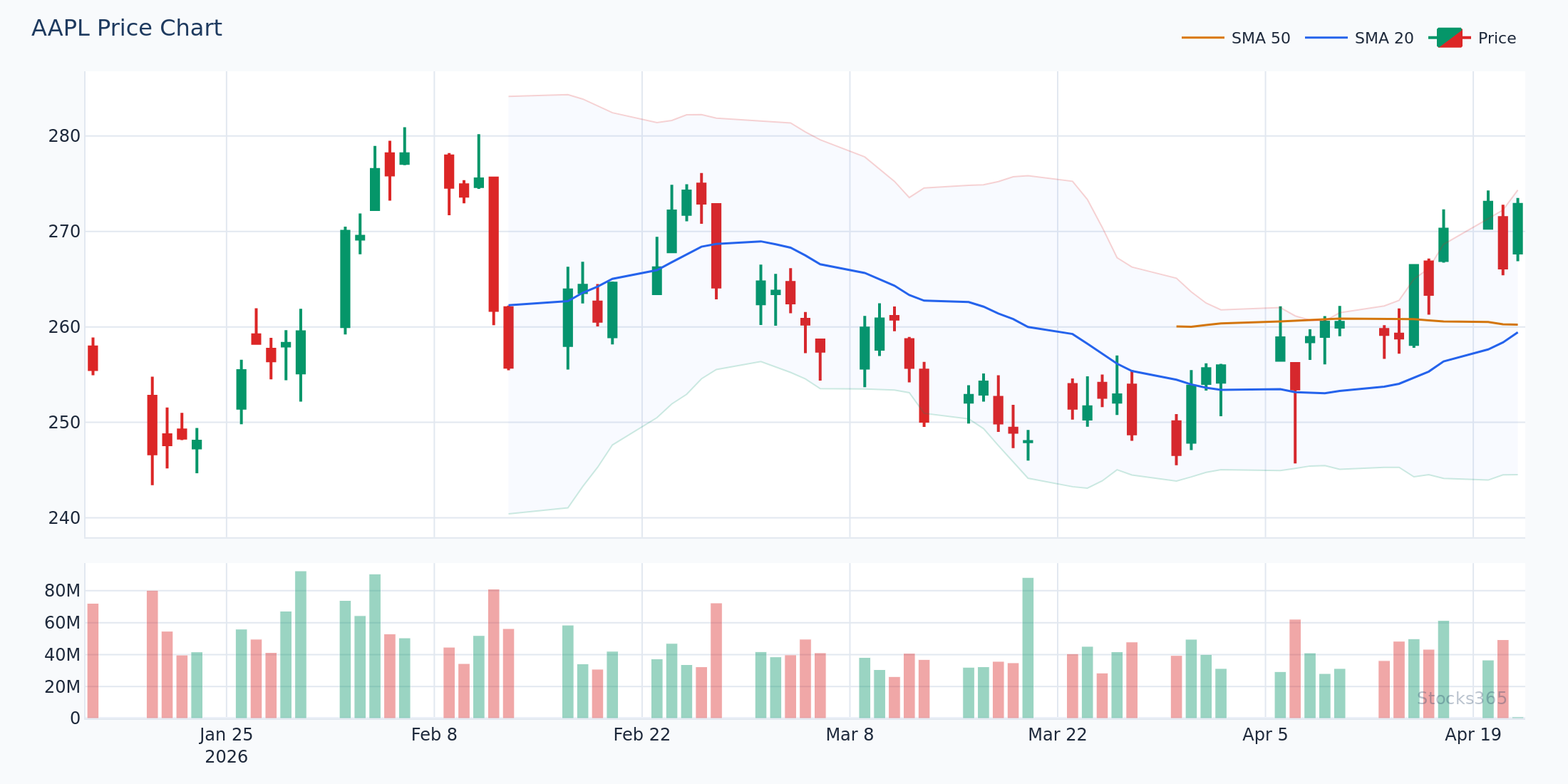
This chart shows the shorter EMA (9-period) hugging price closely while the longer EMA (21-period) provides a smoother trend baseline. When price pulls back to the 21 EMA after a strong uptrend, watch for bullish candle patterns as confirmation of continuation. A close back below the 21 EMA — especially on above-average volume — invalidates the setup and signals potential trend weakness.
EMA vs SMA: What's the Real Difference?
The simple moving average (SMA) averages all prices in its lookback period equally. If you are using a 20-period SMA, every one of those 20 candles has identical influence on the output. That creates lag — sometimes significant lag.
The EMA fixes this by weighting recent closes more heavily. The result is a line that turns earlier, tracks price more tightly, and produces faster signals. The trade-off is sensitivity: the EMA generates more false signals in choppy, sideways markets.
When to Use EMA vs SMA
- EMA: Better in trending markets, momentum trading, short-to-medium-term setups
- SMA: Better for identifying long-term trend structure, filtering noise, swing trading in ranging conditions
- Both together: Using an EMA for entries and an SMA for trend confirmation is a powerful combination
Neither is universally superior. Context determines which tool fits.
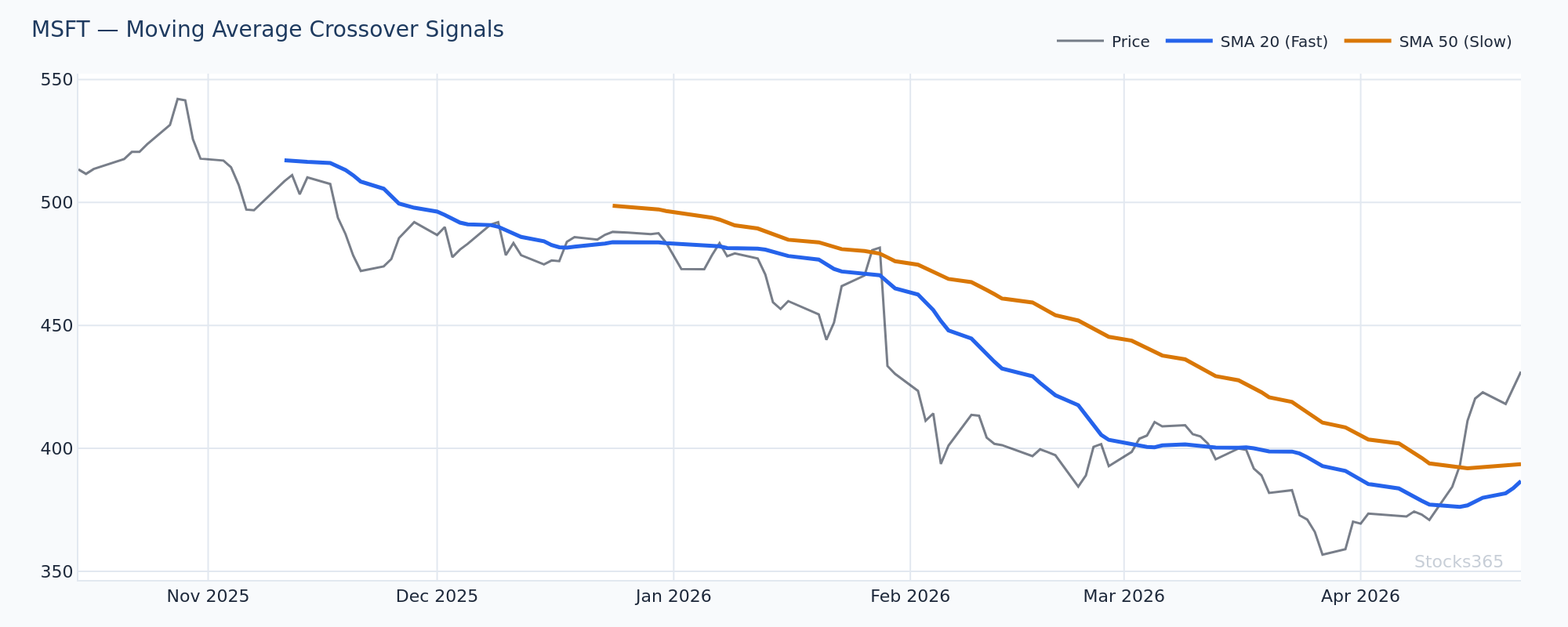
This comparison shows the EMA turning ahead of the SMA during a price acceleration phase. The EMA generates a crossover signal several candles before the SMA reacts, giving traders an earlier entry into the move. If price reverses quickly after the EMA signal but the SMA has not yet crossed, it often indicates a false breakout — use that discrepancy as a caution flag.
The Most Popular EMA Periods and What They Mean
Different EMA periods serve different strategic purposes. Here are the most commonly used settings:
Short-Term EMAs (5, 9, 10)
These EMAs react almost instantly to price changes. Day traders and scalpers use them to catch intraday momentum shifts. They generate frequent signals — which also means more noise. Use them only in clear trending conditions.
Medium-Term EMAs (20, 21, 50)
The 20 and 21-period EMAs are the workhorses of swing trading. Price consistently uses these levels as dynamic support and resistance in trending markets. The 50 EMA defines the intermediate trend — many institutional traders watch it closely.
Long-Term EMAs (100, 200)
The 200 EMA is arguably the most-watched moving average on any timeframe. Price trading above the 200 EMA = broadly bullish market structure. Below it = bearish. Simple. Powerful. Widely respected.
For deeper context on pairing moving averages with momentum oscillators, see our guide on How to Use RSI in Trading: The Ultimate Step-by-Step Guide.
EMA Trading Strategies With Real Examples
Strategy 1: EMA Crossover
The EMA crossover is the classic entry signal. Use two EMAs — a faster one and a slower one. When the fast EMA crosses above the slow EMA, that is a bullish signal. When it crosses below, bearish.
A common setup: the 9 EMA crossing the 21 EMA on the daily chart. When the 9 EMA crosses above the 21 EMA while price is also above the 50 EMA, the trend alignment is confirmed. Wait for the crossover candle to close before entering. Volume confirmation strengthens the setup significantly.
Ignore crossovers that happen inside a tight consolidation range. They almost always fail.
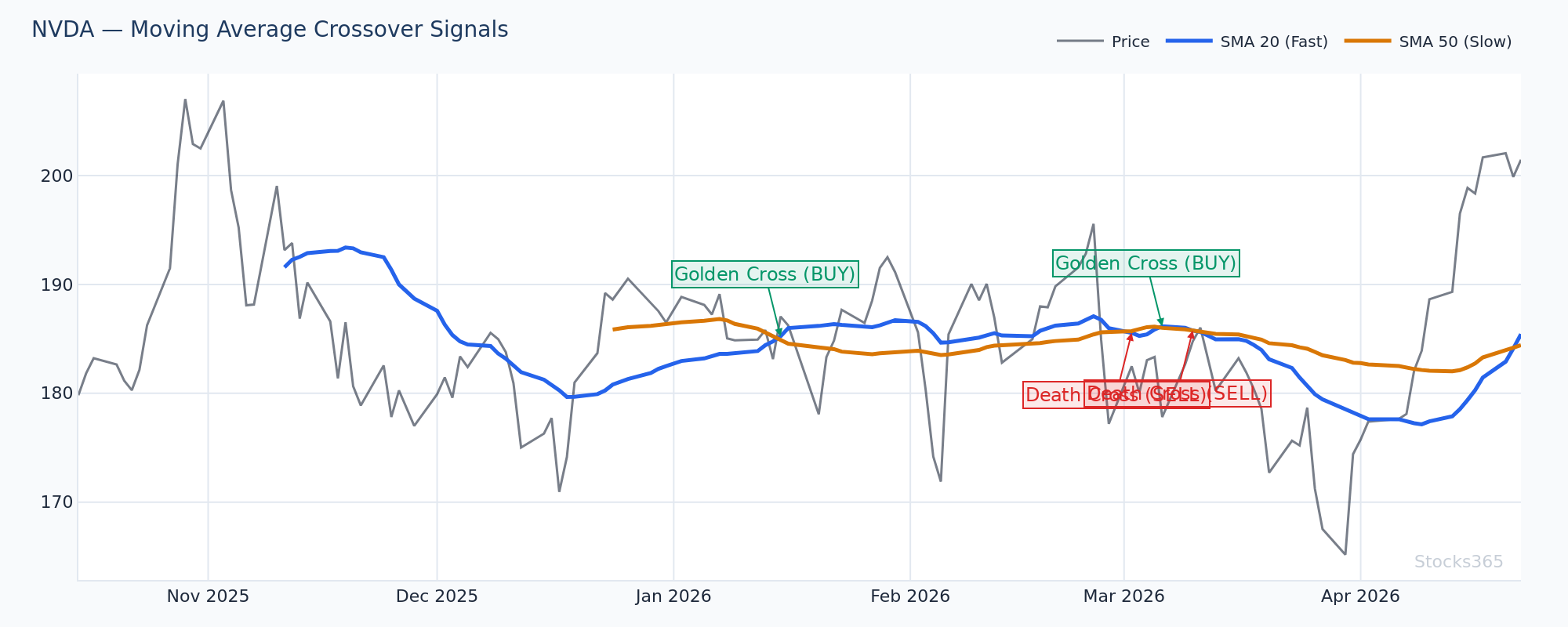
This chart highlights a 9/21 EMA bullish crossover forming after a period of consolidation. Price has reclaimed the 50 EMA before the crossover completes — that alignment across three EMAs is the high-probability filter. Confirmation comes when the candle closing above the crossover point also shows volume exceeding the 20-period average; without volume, the signal remains suspect.
Strategy 2: EMA as Dynamic Support and Resistance
In a healthy uptrend, price repeatedly pulls back to a key EMA — the 20 or 21 — and then bounces. That EMA acts as dynamic support. The entry pattern: price pulls back to the EMA, forms a bullish rejection candle (hammer, engulfing, pin bar), and then resumes the trend.
The same logic applies in downtrends. Price rallies into the 20 EMA, gets rejected, and continues lower. The EMA acts as dynamic resistance.
This is one of the cleanest, most repeatable setups in technical trading. Master it on the daily chart first.
Strategy 3: EMA Ribbon
An EMA ribbon stacks multiple EMAs together — for example, the 8, 13, 21, 34, 55. When the ribbon is fanned out and price sits above all lines, the trend is strong. When the ribbons compress and begin to tangle, momentum is stalling and a reversal or consolidation is likely.
The ribbon gives you an immediate visual read on trend health. No calculation required beyond the chart itself.
Combining EMA With Other Indicators
The EMA is powerful alone. Combined with the right indicators, it becomes a high-precision tool.
EMA + RSI
When price pulls back to the 20 EMA in an uptrend and the Relative Strength Index (RSI) simultaneously drops to the 40-50 zone (a "bullish RSI reset"), the probability of a bounce increases significantly. You get trend alignment from the EMA and momentum confirmation from RSI. Two filters. One trade.
For a complete breakdown of RSI mechanics, read our guide on How RSI Is Calculated: Formula Explained Step by Step. Understanding both indicators at the formula level makes you a better trader.
RSI divergence adds another layer. When price makes a new high but RSI fails to confirm, and price is extended above the EMA, that divergence-plus-overextension combo is a high-quality reversal warning. See our full guide on RSI Divergence Explained: Master Bullish & Bearish Signals.
EMA + Volume
Volume validates EMA signals. An EMA crossover on low volume is suspect. The same crossover on volume 1.5x to 2x the average? That is worth watching. Volume is the conviction behind price action — never ignore it.
EMA + Bollinger Bands
The middle Bollinger Band is typically a 20-period SMA. Replacing it with a 20 EMA gives you a more responsive band that tracks price more accurately in fast markets. When price tags the lower band while sitting on the 20 EMA in an uptrend, the setup has dual support — a high-reward entry zone.
Here's What Most Traders Get Wrong About the EMA
Most traders treat an EMA cross as an immediate entry signal. They see the 9 EMA cross above the 21 EMA and buy instantly — without checking trend context, without checking volume, without checking the broader timeframe. In a choppy, directionless market, EMA crossovers fail constantly. The EMA is a trend-following tool. It only works well when there is a trend to follow.
The fix is a simple two-step filter: 1) Check whether price is above or below the 50 EMA or 200 EMA. Only take bullish EMA signals when the larger trend is bullish. 2) Require above-average volume on the signal candle. If those two filters are not met, skip the trade. This single adjustment eliminates most of the false signals that destroy EMA-based strategies.
One more thing: EMA lag still exists. It is reduced compared to the SMA, but it never disappears entirely. Always account for the delay.
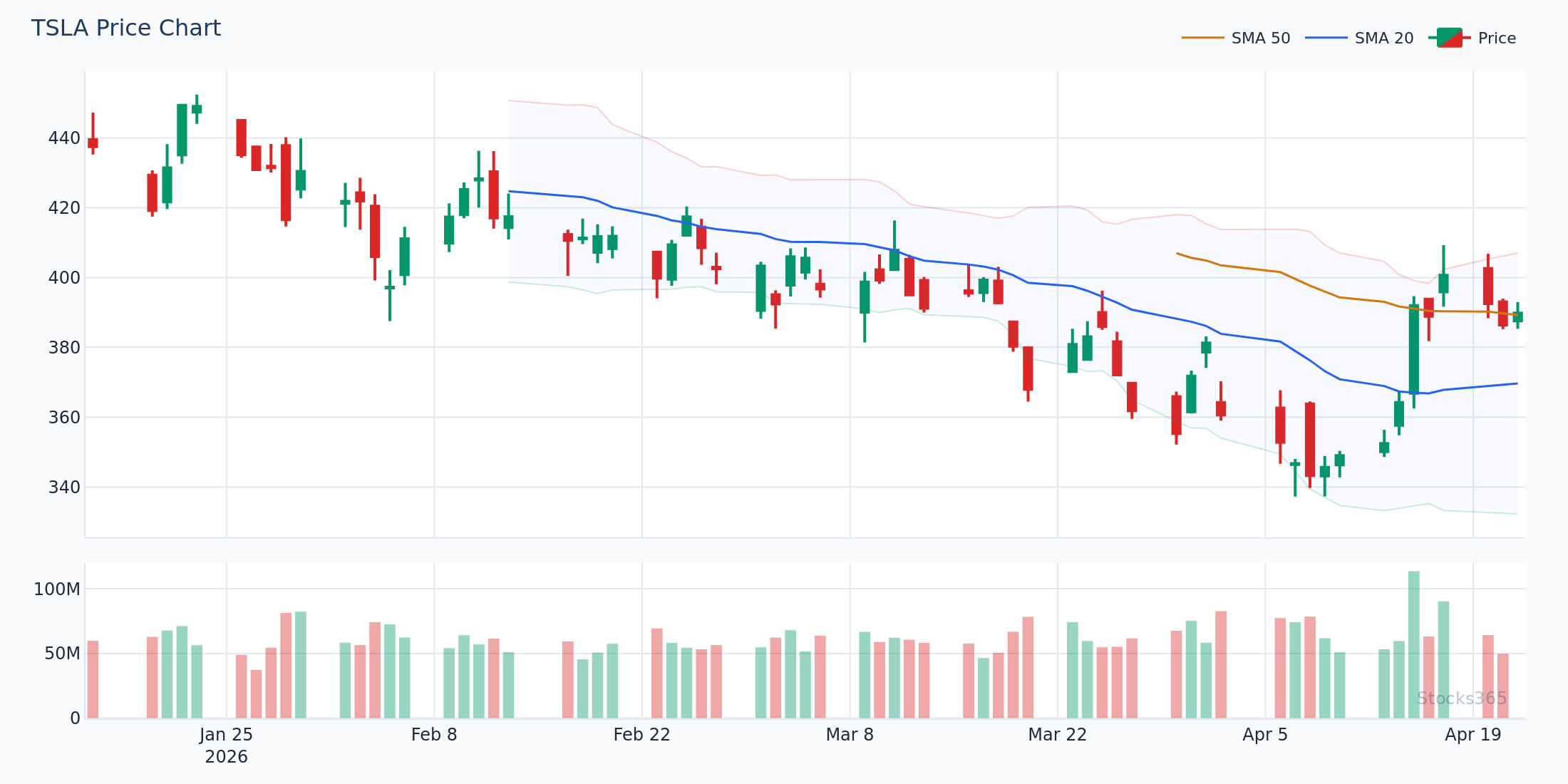
This chart captures a textbook dynamic support bounce where price pulls back to the 21 EMA mid-trend and forms a bullish engulfing candle. The critical detail is that the broader trend remains intact — the 50 EMA is sloping upward and price never closed below it. If price had sliced through the 50 EMA with conviction, the dynamic support thesis would be invalidated immediately.
EMA on Different Timeframes
The EMA works on every timeframe — but the signals carry different weight. A 20 EMA crossover on the weekly chart means something very different from the same crossover on a 5-minute chart.
Multi-timeframe analysis is the professional approach. Identify the trend on the weekly or daily chart using longer EMAs (50, 200). Then drop to the 4-hour or 1-hour chart to find precise entries using shorter EMAs (9, 20). Align your trade direction with the higher timeframe trend. Only take lower timeframe signals that point in the same direction.
Top-down analysis. Always.
EMA in Crypto, Stocks, and Forex
The EMA performs differently depending on the asset class and its volatility profile.
In crypto markets, short-period EMAs (9, 20) work well for capturing fast momentum moves. Crypto trends tend to be sharp and decisive — the EMA's speed advantage is maximized here. In stocks, the 20 and 50 EMAs are closely watched by institutional traders. Price interactions with these levels often produce reliable setups on the daily chart. In forex, EMAs are most effective on higher timeframes due to the whipsaw nature of short-term currency moves.
Our analysis of 3,332 signals shows that strategies based on price crosses around the SMA 20 level produce a 50.9% win rate overall — with crypto leading at 66.8% and forex trailing at just 42.5%. While this data covers the SMA rather than EMA specifically, the asset-class dynamics are directly relevant: crypto's trending nature amplifies moving average signal quality. See the full dataset at Stocks365 Insights.
Common EMA Settings by Trading Style
- Scalping (1-15 min charts): 5 EMA, 9 EMA, 20 EMA
- Day trading (15 min - 1 hr charts): 9 EMA, 21 EMA, 50 EMA
- Swing trading (4 hr - daily charts): 20 EMA, 50 EMA, 200 EMA
- Position trading (weekly charts): 50 EMA, 100 EMA, 200 EMA
Start with the settings that match your timeframe. Optimize from there based on actual backtested results — not what sounds impressive on social media.
For guidance on optimizing indicator periods for your specific strategy, our article on RSI Settings: Master the Best Period for Your Strategy covers the same optimization principles that apply directly to EMA period selection.
EMA Limitations You Need to Know
The EMA is not a magic bullet. Know its weaknesses.
- Lagging indicator: The EMA is always derived from past prices. It confirms trends — it does not predict them.
- Whipsaw risk: In sideways markets, the EMA generates repeated false crossovers. Filter with trend context.
- Sensitivity vs. reliability trade-off: Shorter EMAs are faster but less reliable. Longer EMAs are more reliable but slower. There is no perfect setting.
- Over-reliance: Using only EMAs without volume, momentum, or price structure context leads to poor decisions.
Use the EMA as one layer of your analysis. Not the entire foundation.
Comparing momentum oscillators alongside your EMA analysis sharpens decision-making. The RSI vs Stochastic Oscillator guide is a useful reference for understanding which oscillator pairs best with moving average systems.
What to Watch For
- EMA stack alignment on the daily chart: When the 9 EMA is above the 21 EMA, which is above the 50 EMA, and price is above all three, trend momentum is fully intact. These setups often produce the cleanest continuation moves — especially on a first pullback to the 21 EMA.
- Price reclaiming the 200 EMA after an extended period below it: This pattern, especially when accompanied by an expansion in volume, frequently marks the beginning of a new sustained uptrend. The first close back above the 200 EMA is the signal to watch.
- EMA compression before earnings or major catalysts: When the 9, 20, and 50 EMAs converge and tighten on a daily chart ahead of a catalyst event, the post-event move tends to be sharp and directional. The direction of the break after the EMAs separate determines the trade.
- Fast EMA rejection at the 200 EMA in a downtrend: When a short-period EMA (9 or 20) rallies up to test the 200 EMA from below during a downtrend, and price forms a bearish reversal candle at that level, the setup often leads to a resumption of the downtrend. This is a high-quality short-entry pattern on the daily or 4-hour chart.
- Hidden RSI divergence confirming an EMA pullback entry: When price pulls back to the 20 EMA in an uptrend and forms a higher low while RSI shows a lower low, that hidden bullish divergence confirms the trend continuation setup. Learn more about this advanced signal in our Hidden RSI Divergence guide.
How Stocks365 Uses the EMA
At Stocks365, the exponential moving average is one of more than 12 technical indicators that feed into our Trust Score system. The Trust Score evaluates each signal for multi-indicator agreement — and EMA positioning is a core component of the trend regime layer.
Specifically, when a signal fires on a stock or asset, the system checks EMA alignment across multiple timeframes: whether price is above or below key short, medium, and long-term EMAs. Strong alignment — price above the 20, 50, and 200 EMA simultaneously, with EMAs in ascending order — raises the trend confidence score. Conflicting EMA signals across timeframes reduce it.
This matters because Stocks365 research across 3,289 signals found that price crossing above the SMA 20 produces only a 48.3% win rate overall (profit factor: 0.88) — but performance improves meaningfully when the signal occurs with broader trend confirmation in place. The Trust Score is designed to surface only those higher-conviction setups. You can explore live signals with full Trust Score data at the Stocks365 dashboard or check individual signals like AAPL signals to see EMA regime data in action.