
خطة التداول بالمتوسطات المتحركة: من الإعداد إلى التنفيذ
يعرف معظم المتداولين ما هو المتوسط المتحرك. قلة منهم يعرفون كيفية بناء خطة تداول كاملة حوله. هناك فرق كبير بين فهم المؤشر ونشره بشكل منهجي — وهذه الفجوة هي حيث يخسر معظم متداولي التجزئة أموالهم.
يسد هذا الدليل تلك الفجوة. سنغطي كل مرحلة من بناء وتنفيذ خطة تداول بالمتوسطات المتحركة: اختيار المتوسطات الصحيحة، وتحديد قواعد الدخول والخروج، وإدارة المخاطر، والتكيف مع ظروف السوق المختلفة.
اختبر Stocks365 عبر 3,332 إشارة عبر فئات أصول متعددة باستخدام إعداد Price Crosses Below SMA 20 ووجد نسبة فوز 50.9٪ مع عامل ربح 1.06 على مدى فترة احتفاظ 10 أيام. هذه ميزة ضئيلة ولكنها حقيقية — وهي نوع الميزة التي صُممت خطة التداول المنظمة لاستغلالها باستمرار. بدون خطة، تتبخر هذه الميزة في سلسلة من القرارات العاطفية.
لماذا تفشل معظم خطط المتوسطات المتحركة قبل أن تبدأ
إليك ما يخطئ فيه معظم المتداولين: يعاملون المتوسطات المتحركة كإشارات شراء وبيع معزولة. يرون السعر يعبر فوق 50-day SMA ويدخلون على الفور في مركز طويل. عندما لا ينجح الأمر، يلومون المؤشر. المشكلة ليست في المؤشر. المشكلة هي غياب خطة التداول المحيطة به.
المتوسط المتحرك مرشح، وليس محفزًا. يخبرك بحالة الاتجاه. أما محفز الدخول الخاص بك، ومعايير المخاطر، ومنطق الخروج — فهذه تأتي من الخطة التي تبنيها حوله. بدون هذا الهيكل، تكون ردة فعل. ومعه، تكون تنفيذًا.
الخطوة 1 — حدد إعداد المتوسط المتحرك الخاص بك
اختيار المتوسطات المتحركة الصحيحة
القرار الأول في أي خطة تداول بالمتوسطات المتحركة هو اختيار المتوسطات التي ستستخدمها. هذا ليس تعسفيًا — يعتمد على إطارك الزمني للتداول وفئة الأصول التي تتداولها.
- المتداولون قصيرو الأجل (تداول التأرجح، احتفاظ 3–10 أيام): ركز على 10-SMA و20-SMA و50-SMA. تستجيب هذه بسرعة وتلتقط تحولات الزخم مبكرًا.
- المتداولون متوسطو الأجل (تداول المراكز، أسابيع إلى أشهر): يوفر 50-SMA و200-SMA سياقًا ذا معنى للاتجاه دون ضوضاء مفرطة.
- إعدادات تأكيد الاتجاه: استخدام ثلاثة متوسطات متحركة معًا — قصير ومتوسط وطويل — ينشئ مرشح محاذاة قويًا. توضح استراتيجية المتوسط المتحرك الثلاثي لتأكيد الاتجاه هذا الإطار بالتفصيل وتستحق الدراسة قبل وضع اللمسات الأخيرة على إعدادك.
المتوسطات المتحركة البسيطة مقابل الأسية
تزن المتوسطات المتحركة البسيطة (SMA) جميع الفترات بالتساوي. تزن المتوسطات المتحركة الأسية (EMA) الأسعار الأخيرة بشكل أكبر. بالنسبة لمعظم خطط التداول، يهم التمييز أقل من الاتساق. اختر واحدًا. التزم به. لا تبدل بين SMA وEMA في منتصف الاستراتيجية لأن الأداء الأخير بدا أفضل على واحد. هذا ملاءمة منحنى، وليس تخطيطًا.
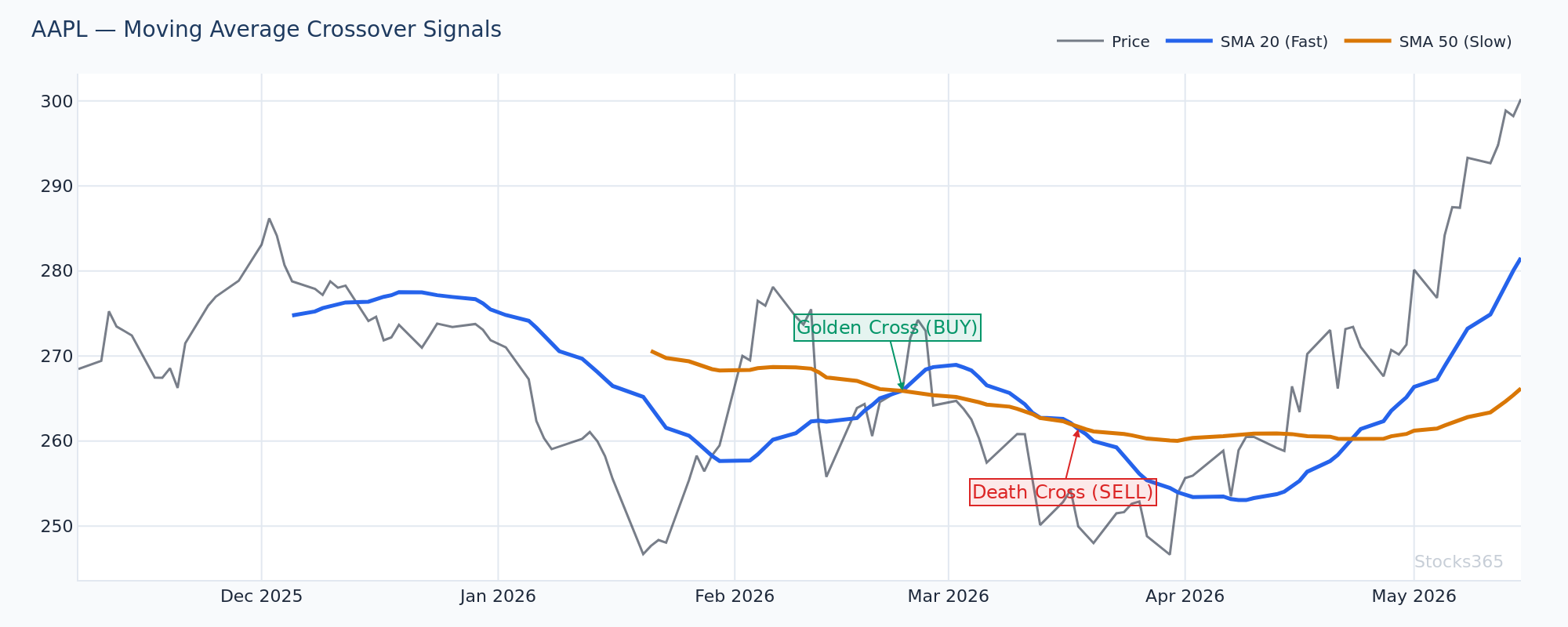
يُظهر هذا الرسم البياني السعر يتفاعل مع كلٍّ من 20-SMA و50-SMA، مع بدء المتوسط الأقصر في الانحناء صعودًا فوق الأطول — إعداد محاذاة اتجاه مبكر كلاسيكي. عندما يحافظ 20-SMA على موقعه فوق 50-SMA بينما يتراجع السعر لاختبار 20-SMA كدعم، تكون تلك منطقة الدخول عالية الاحتمالية التي تستهدفها معظم الخطط. يُبطل الإعداد إذا أغلق السعر بشكل حاسم أسفل 50-SMA على حجم مرتفع.
الخطوة 2 — أنشئ مرشح حالة السوق الخاص بك
لا تعمل أي خطة تداول بالمتوسطات المتحركة في جميع الظروف. نقطة توقف كاملة.
المتوسطات المتحركة أدوات تتبع اتجاه. تؤدي بشكل جيد في الأسواق الاتجاهية وتنتج تذبذبات في الظروف المتقلبة المحدودة النطاق. قبل تنفيذ أي إشارة، يجب أن تتضمن خطتك مرشح حالة — قاعدة تخبرك ما إذا كانت بيئة السوق الحالية مواتية.
كيفية تصفية حالة السوق
- موضع السعر بالنسبة لـ 200-SMA: إذا كان السعر فوق 200-SMA، انحز نحو إعدادات طويلة. أسفله، ابحث عن مراكز قصيرة أو ابق محايدًا.
- ميل المتوسط المتحرك: 50-SMA الصاعد يؤكد اتجاهًا صعوديًا. 50-SMA المسطح أو المتراجع يشير إلى نطاق أو اتجاه هابط — قلل حجم المركز أو تخط الإشارات تمامًا.
- قراءة ADX: ADX فوق 25 يشير إلى سوق اتجاهي حيث تحمل إشارات المتوسط المتحرك وزنًا أكبر. أسفل 20، تولّد المتوسطات المتحركة ضوضاء أكثر من إشارة.
تصفية الحالة وحدها تزيل نسبة كبيرة من الصفقات الخاسرة. اجعلها جزءًا من قواعدك قبل أن تنظر إلى أي إشارة دخول.
الخطوة 3 — حدد قواعد الدخول بدقة
محفز الدخول مقابل شرط الدخول
هناك تمييز مهم هنا. شرط الدخول الخاص بك هو السياق الأوسع — اتجاه الاتجاه، والحالة، ومحاذاة المتوسط المتحرك. محفز الدخول الخاص بك هو الحدث المحدد الذي يجعلك تضع الصفقة. يجب تحديد كليهما.
مثال على شرط الدخول: السعر فوق 50-SMA. 20-SMA فوق 50-SMA. 50-SMA صاعد. ADX فوق 25.
مثال على محفز الدخول: السعر يتراجع إلى 20-SMA ويشكل نمط شمعة صعودي (مطرقة، أو ابتلاع، أو اختراق شريط داخلي) على حجم فوق المتوسط.
هذا النهج ذو الطبقتين — الشرط بالإضافة إلى المحفز — هو ما يفصل المتداولين المنضبطين عن المتهورين. لا تدخل لمجرد أن الظروف صحيحة. انتظر المحفز. الصبر جزء من الخطة.
تقاطع المتوسط المتحرك كإشارة دخول
أحد محفزات الدخول الأكثر استخدامًا هو تقاطع المتوسط المتحرك. عندما يعبر MA أسرع فوق MA أبطأ ("تقاطع ذهبي")، يشير إلى زخم صعودي محتمل. العكس — MA أسرع يعبر أسفل MA أبطأ ("تقاطع موت") — يشير إلى زخم هبوطي. للحصول على تفصيل شامل لميكانيكا التقاطع والمخاطر والإعدادات العملية، فإن دليل استراتيجية تقاطع المتوسط المتحرك: دليل التداول الكامل مورد أساسي.
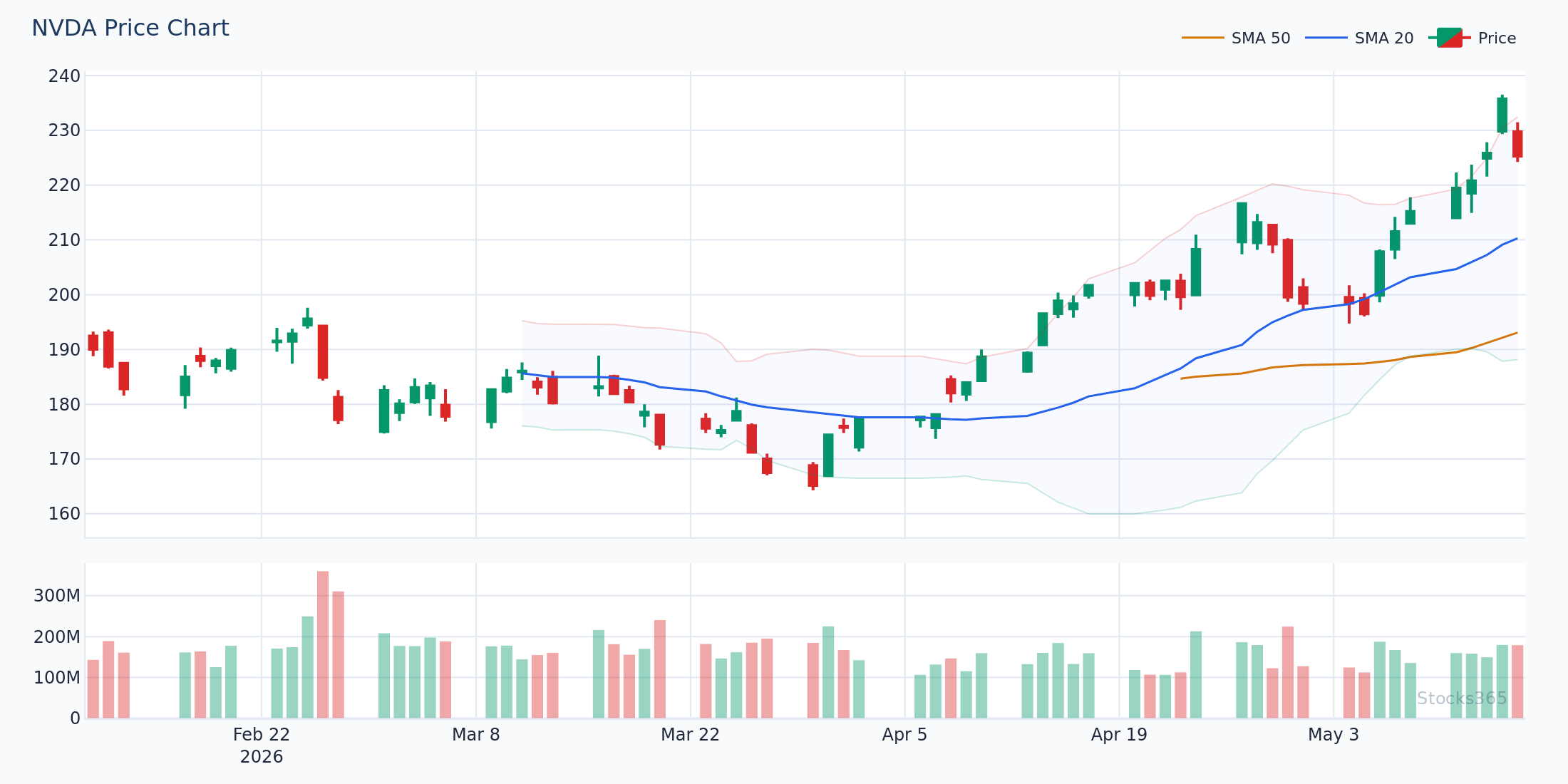
هنا، يتراجع السعر من أعلى مستوى حديث لإعادة اختبار 20-SMA الصاعد — إعداد الدخول الكلاسيكي "اشترِ التراجع إلى الاتجاه". يهم هيكل الشمعة عند نقطة إعادة الاختبار بشكل هائل: ابتلاع صعودي أو مطرقة مع ارتفاع حجم فوق متوسط الحجم لمدة 20 يومًا يؤكد اهتمام المشترين عند المستوى. إذا أغلق السعر بدلاً من ذلك أسفل 20-SMA مع توسع الشموع الهبوطية، فإن التراجع أصبح انهيارًا والإعداد لاغٍ.
الخطوة 4 — إضافة التقاء: لا تتداول المتوسطات المتحركة وحدها
المتوسطات المتحركة أقوى مع التأكيد. نقطة.
أقوى خطط التداول بالمتوسطات المتحركة تتضمن مؤشرًا إضافيًا واحدًا على الأقل لتأكيد إشارات الدخول. يقلل هذا من الإشارات الخاطئة ويزيد من احتمالية كل صفقة — حتى لو كان ذلك يعني أخذ صفقات أقل بشكل عام. صفقات أقل وذات جودة أعلى دائمًا أفضل من الكثيرة ذات القناعة المنخفضة.
RSI كتأكيد للمتوسط المتحرك
RSI مكمل طبيعي لمداخل المتوسط المتحرك. عندما يتراجع السعر إلى 20-SMA في اتجاه صعودي، تحقق مما إذا كان RSI ينخفض في نفس الوقت نحو أو أسفل 40 دون أن ينهار تمامًا. يؤكد تراجع RSI هذا أن تراجع السعر تصحيحي وليس انعكاسًا للاتجاه. للحصول على فهم أساسي لكيفية عمل RSI، يغطي ما هو RSI؟ الدليل الكامل للمبتدئين الميكانيكا الأساسية.
يضيف تباعد RSI طبقة أخرى. إذا حقق السعر قاعًا منخفضًا خلال تراجع ولكن RSI حقق قاعًا أعلى، فإن التباعد الصعودي يشير إلى أن الزخم الهبوطي يضعف — إشارة إضافية قوية لدخول ارتداد المتوسط المتحرك. يغطي دليل تباعد RSI: إتقان الإشارات الصعودية والهبوطية إعداد التقاء هذا بالتفصيل.
MACD لتأكيد زخم الاتجاه
يوفر اتجاه الهيستوغرام MACD سياق زخم تفتقده المتوسطات المتحركة الخام. إذا عبر السعر فوق 20-SMA وكان الهيستوغرام MACD يرتفع (أو يتحول من سلبي إلى إيجابي)، فإن هذا التقاء يقوي الحالة الصعودية. لمتداولي أزواج العملات، توضح مقالة MACD في تداول الفوركس: إتقان استراتيجيات أزواج العملات كيف ينطبق هذا المزيج عبر أسواق مختلفة.
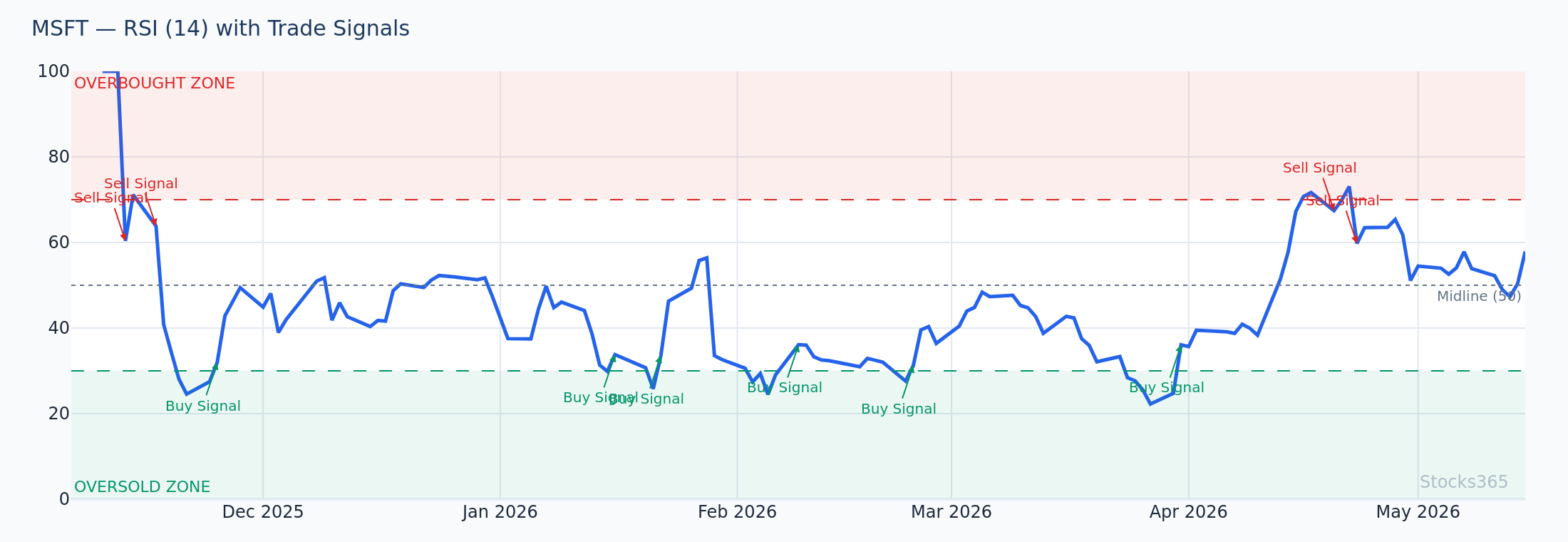
يُظهر هذا الرسم البياني RSI ينخفض الزخم نحو مستوى 40 بينما يختبر السعر في نفس الوقت 20-SMA من الأعلى — التقاء كلاسيكي لدخول تراجع إلى الاتجاه. عندما يظل RSI فوق 40 ويعود للأعلى بينما يستعيد السعر 20-SMA، فإنه يؤكد أن الاتجاه يظل صحيًا والمشترون يعاودون المشاركة. إذا اخترق RSI بدلاً من ذلك أسفل 40 واستمر في الانخفاض، فإن الحركة على الأرجح أكثر من مجرد تصحيح بسيط.
الخطوة 5 — قواعد إدارة المخاطر التي لا يمكن تخطيها
خطة تداول بالمتوسطات المتحركة بدون إدارة مخاطر محددة ليست خطة. إنها أمنية.
وضع وقف الخسارة
يجب أن يوضع وقف الخسارة في خطة المتوسط المتحرك عند مستوى يبطل الإعداد بشكل نهائي — وليس على أساس نسبة مئوية ثابتة.
- لمداخل التراجع إلى MA: ضع وقف الخسارة أسفل مستوى المتوسط المتحرك بالإضافة إلى 0.5–1x ATR لتجنب التوقف بسبب التقلب الطبيعي.
- لمداخل التقاطع: ضع وقف الخسارة أسفل أدنى تأرجح حديث سبق التقاطع.
- قاعدة صارمة: إذا أغلق السعر أسفل 50-SMA في إعداد طويل، فإن افتراض الاتجاه الهيكلي مكسور. اخرج.
تحديد حجم المركز بناءً على المخاطر
خاطر بنسبة ثابتة من رأس مال التداول الخاص بك لكل صفقة — عادةً 1–2٪. احسب حجم مركزك بناءً على المسافة بين دخولك ووقف الخسارة. يعني هذا أن أحجام المراكز تختلف حسب الإعداد، وليس حسب القناعة. قناعتك لا تحدد المخاطر. الرسم البياني يحدد ذلك.
هذا غير قابل للتفاوض. قلله إذا لزم الأمر، ولكن لا تتخطاه أبدًا.
الخطوة 6 — استراتيجية الخروج: جني الأرباح بشكل منهجي
مخارج قائمة على الهدف مقابل المخارج المتابعة
نهجان أساسيان للخروج يعملان بشكل جيد مع خطط المتوسطات المتحركة:
- أهداف مكافأة إلى مخاطر ثابتة: خذ أرباحًا جزئية عند 1.5R–2R وانقل وقف الخسارة إلى نقطة التعادل. دع الباقي يتحرك مع وقف متابع.
- وقف متابع للمتوسط المتحرك: تابع وقف الخسارة الخاص بك إلى آخر إغلاق أسفل 20-SMA (للصفقات قصيرة الأجل) أو 50-SMA (لمتوسطة الأجل). اخرج عندما يغلق السعر أسفل MA المتابع.
الجمع بين كلا النهجين فعال: خذ مركزًا جزئيًا عند هدف ثابت، ثم تابع الباقي خلف المتوسط المتحرك لالتقاط حركات اتجاه أكبر عندما تتطور.
متى تخرج مبكرًا
يغلق السعر بشكل حاسم أسفل المتوسط المتحرك الرئيسي على حجم مرتفع. يخترق RSI أسفل مستوى حرج ويتباعد عن السعر. تتسطح المتوسطات المتحركة وتبدأ في التقارب. هذه إشارات خروج مبكرة — السعر يخبرك أن الفرضية تغيرت قبل أن يُصاب وقف الخسارة.
متى تعمل هذه الخطة — ومتى لا تعمل
سياق فئة الأصول مهم للغاية لأي خطة تداول بالمتوسطات المتحركة. كشف تحليلنا لـ 3,332 إشارة من إعداد Price Crosses Below SMA 20 عن نسبة فوز 66.8٪ في العملات الرقمية — لكن فقط 42.5٪ في الفوركس. نفس الإعداد، ونفس القواعد، ونتائج مختلفة جدًا حسب السوق. قم بزيارة لوحة الأبحاث الخاصة بنا لاستكشاف كيفية تفكيك فروقات الأداء هذه عبر فئات الأصول والأطر الزمنية.
لماذا هذا التباين؟ تتأثر أسواق الفوركس بشدة بالأحداث الاقتصادية الكلية، وسياسة البنوك المركزية، وتحولات المعنويات التي تتجاوز الإعدادات الفنية. تُظهر العملات الرقمية، خاصة في حالات الاتجاه، استمرارية زخم قوية — مما يجعل أساليب تتبع الاتجاه مثل خطط المتوسطات المتحركة أكثر فعالية. تقع الأسهم في المنتصف، حيث تحقق أداءً أفضل في الاتجاهات الصاعدة الواسعة وضعيفًا في البيئات المتقلبة المدفوعة بالأخبار.
ابنِ خطتك حول فئة أصول أظهرت فيها إشارات المتوسطات المتحركة ميزة تاريخيًا. لا تفرض الاستراتيجية على كل سوق فقط لأنك تريد تداوله.
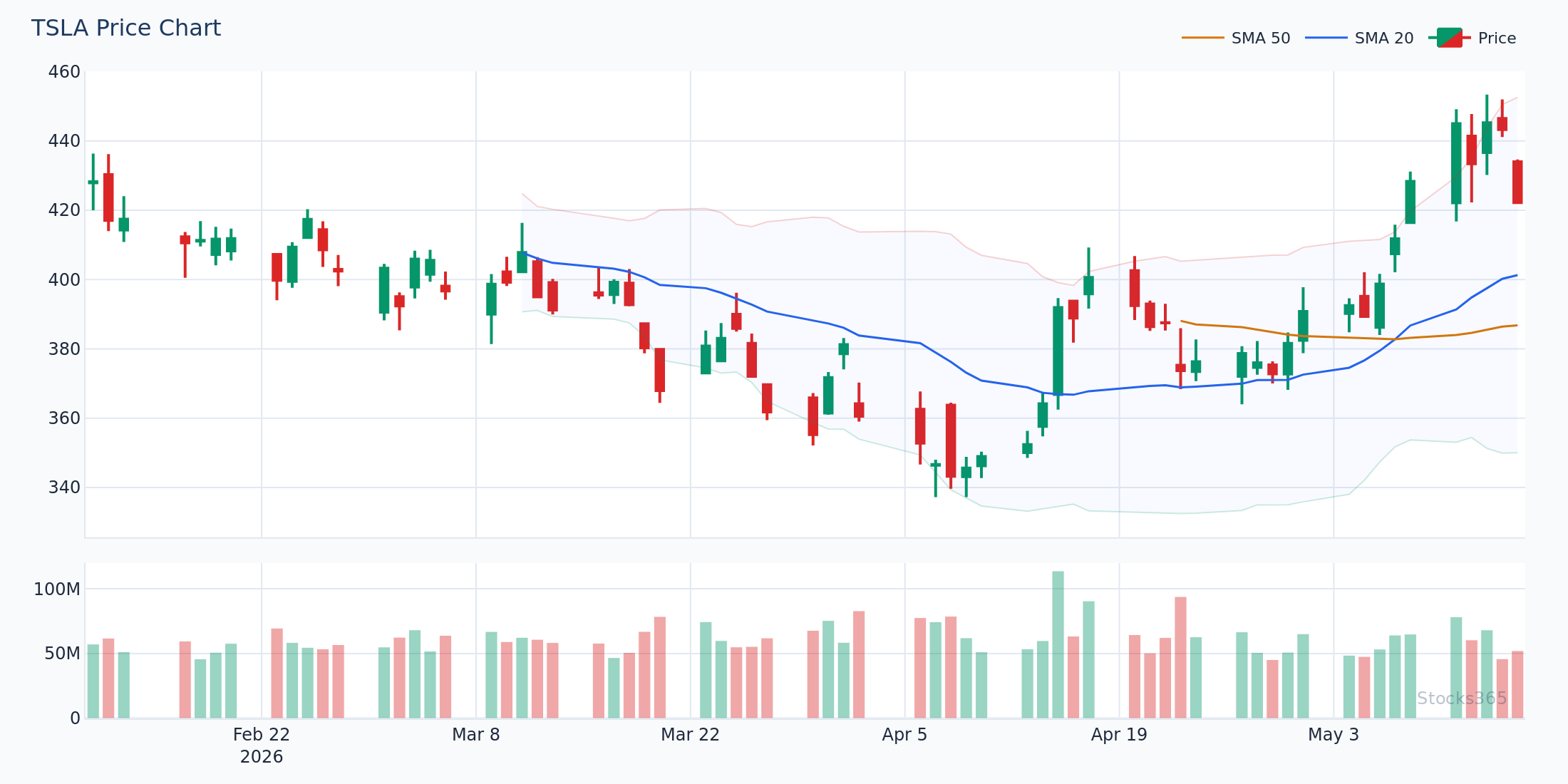
يُظهر هذا الإعداد 20-SMA و50-SMA في محاذاة صعودية واضحة — كلاهما يرتفع، مع تداول السعر فوق كلا المتوسطين — وعلم توحيد يتشكل فوق 20-SMA مباشرة. اختراق من الحد الأعلى للعلم على حجم متوسع هو محفز الدخول؛ أدنى تأرجح سابق و50-SMA معًا يشكلان منطقة وقف منطقية أسفله. يفشل الإعداد إذا عكس السعر مرة أخرى عبر العلم وأغلق أسفل 20-SMA قبل حدوث الاختراق.
الاختبار التاريخي وصقل خطة التداول بالمتوسطات المتحركة
ابنها. اختبرها. صقّلها. بهذا الترتيب.
يتحقق الاختبار التاريخي مما إذا كانت قواعدك المحددة تنتج قيمة متوقعة إيجابية على عينة ذات معنى من الصفقات التاريخية. كما يكشف أسوأ فترات التراجع للاستراتيجية — والتي يجب أن تكون مستعدًا نفسيًا لتحملها قبل التداول المباشر. خطة تتخلى عنها خلال أول سلسلة خسارة عديمة الفائدة.
ما يجب تتبعه خلال الاختبار التاريخي
- نسبة الفوز ومتوسط الفوز مقابل متوسط الخسارة
- أقصى صفقات خاسرة متتالية
- الأداء عبر ظروف سوقية مختلفة (اتجاهية مقابل محدودة النطاق)
- تباين أداء فئة الأصول
- متوسط فترة الاحتفاظ وما إذا كان يتطابق مع نمط حياتك
توفر لوحة إشارات Stocks365 بيانات إشارات مباشرة وتتبع أداء يكمل عملية الاختبار التاريخي الخاصة بك — مما يتيح لك رؤية كيف تتوافق الإعدادات الحالية مع أنماط الأداء التاريخية.
تنفيذ الخطة: علم نفس الاتساق
التنفيذ هو حيث تموت معظم الخطط. ليس لأن الاستراتيجية كانت خاطئة. لأن المتداول انحرف.
ستواجه سلاسل خسارة. ستولّد المتوسطات المتحركة إشارات خاطئة. سيوقفك السعر ثم ينعكس في اتجاهك الأصلي. هذا أمر لا يمكن تجنبه. ما يمكن تجنبه هو التخلي عن الخطة خلال تلك الفترات. خطة التداول الصالحة إحصائيًا مع قيمة متوقعة إيجابية تقدم ميزتها فقط على عينة كبيرة من الصفقات — منفذة باستمرار. انتقاء الإشارات، وتجاوز أوقاف الخسارة، ومضاعفة الخاسرين — هذه تدمر الميزة التي بُنيت الخطة لالتقاطها.
اكتب قواعدك. اتبعها. راجعها شهريًا. اضبطها بالأدلة، وليس بالعاطفة.
ما الذي يجب مراقبته
- محاذاة MA الثلاثية في الأسهم الاتجاهية: عندما يكون 10-SMA و20-SMA و50-SMA مكدسين في ترتيب صعودي وجميعهم يرتفعون، فإن التراجعات إلى 20-SMA تمثل مداخل استمرارية عالية الاحتمالية — خاصة عندما تكون مصحوبة بحجم متناقص على التراجع وRSI يبقى فوق 40.
- إعدادات تقاطع MA بعد توحيد متعدد الأسابيع: عندما يتقارب 20-SMA و50-SMA بإحكام خلال فترة توحيد ثم يتباعدان مع تقاطع، تميل الحركة الاتجاهية الناتجة إلى أن تكون أقوى وأكثر استدامة من التقاطعات التي تحدث في أسواق اتجاهية نشطة.
- السعر يستعيد 200-SMA بعد اتجاه هابط ممتد: عندما يعبر السعر مرة أخرى فوق 200-SMA ويبدأ 20-SMA في الانحناء صعودًا فوقه، يمثل هذا التحول في الحالة في كثير من الأحيان بداية تعافٍ اتجاهي متعدد الأسابيع — خاصة في الأسهم الكبيرة والأصول الرقمية الرئيسية.
- اختراقات خط اتجاه RSI تتزامن مع اختبارات MA: عندما يختبر السعر متوسطًا متحركًا رئيسيًا ويخترق RSI في نفس الوقت خط اتجاه هابط مرسوم عبر القمم الأخيرة، فإن التقاء يشير إلى انعكاس زخم قوي. يفصّل دليل استراتيجية خط اتجاه RSI بالضبط كيفية رسم وتداول هذه الخطوط.
- تباعد RSI مخفي عند دعم MA في الاتجاهات الصاعدة: خلال التراجعات إلى 20-SMA أو 50-SMA في الاتجاهات الصاعدة الراسخة، يُعدّ التباعد الصعودي المخفي لـRSI (قاع أعلى في RSI خلال قاع أدنى في السعر) تأكيدًا قويًا على أن الاتجاه يستأنف. يغطي دليل التباعد المخفي لـRSI هذا الإعداد المتقدم بالتفصيل.
الوجبات الرئيسية
خطة التداول بالمتوسطات المتحركة — ملخص
- المتوسط المتحرك مرشح، وليس إشارة قائمة بذاتها. ابنِ خطة حوله.
- دائمًا حدد حالة سوقك قبل تقييم أي إشارة دخول.
- استخدم نهج دخول ذو طبقتين: الشرط (محاذاة الاتجاه) + المحفز (حركة سعر محددة).
- أكّد إشارات المتوسط المتحرك بـRSI أو MACD أو الحجم — لا تتداول أبدًا بمعزل عن غيرها.
- أوقاف الخسارة تنتمي إلى مستويات تبطل الإعداد هيكليًا، وليس عند نسب مئوية ثابتة.
- فئة الأصول مهمة: خطط المتوسطات المتحركة تؤدي بشكل مختلف عبر الأسهم والعملات الرقمية والفوركس.
- اتساق التنفيذ على عينة كبيرة هو ما يحول خطة القيمة المتوقعة الإيجابية إلى أرباح محققة.
كيف يستخدم Stocks365 هذا
كيف يدمج Stocks365 المتوسطات المتحركة في نظام درجة الثقةمحاذاة المتوسط المتحرك هي واحدة من أكثر من 12 مؤشرًا فنيًا يغذي درجة الثقة Stocks365 — تصنيف جودة إشارة مركب يُعيّن لكل إشارة على المنصة. على وجه التحديد، تساهم العلاقة بين المتوسطات المتحركة قصيرة وأمتوسطة الأجل في مكون حالة الاتجاه لدرجة الثقة، مما يساعد على تحديد ما إذا كانت إشارة تظهر في سياق اتجاه مواتٍ أو غير مواتٍ.
عندما يكون 20-SMA و50-SMA في محاذاة صعودية ويرتفعان، يزيد مكون الاتجاه لدرجة الثقة — مما يضيف وزنًا لإشارات الشراء المولدة في تلك البيئة. عندما تكون المتوسطات المتحركة مسطحة أو مكدسة سلبيًا، يقلل مكون الاتجاه من ثقة الإشارة بغض النظر عما تظهره المؤشرات الأخرى. هذا النهج المنهجي يضمن عدم تجاهل سياق المتوسط المتحرك أبدًا، حتى عندما تبدو إشارات أخرى قوية.
يمكنك رؤية درجات الثقة قيد التنفيذ على أي صفحة إشارة فردية — على سبيل المثال، صفحة إشارة AAPL توضح كيف تساهم محاذاة المتوسط المتحرك حاليًا في الثقة الإجمالية للإشارة.