
دليل بولينجر باند: كل ما تحتاجه في مكانٍ واحد
مؤشر بولينجر باند واحدٌ من أكثر المؤشرات الفنية استخدامًا في عالم التداول. طوّره جون بولينجر في الثمانينيات، وصمد عبر الزمن لأنه يتكيّف ديناميكيًا مع أحوال السوق. يقدّم لك هذا الدليل المفاهيم الأساسية والإشارات المحورية والأنماط المُثبتة — كلها في مكانٍ واحد.
بلا حشو، فقط الأساسيات التي تحتاجها.
ما هو مؤشر بولينجر باند؟ النسخة السريعة
يتكون مؤشر بولينجر باند من ثلاثة خطوط تُرسَم على الرسم البياني للسعر:
- النطاق الأوسط: المتوسط المتحرك البسيط لـ 20 فترة (20-SMA)
- النطاق العلوي: 20-SMA + انحرافان معياريان
- النطاق السفلي: 20-SMA − انحرافان معياريان
تتوسّع النطاقات عند ارتفاع التقلبات وتنكمش عند انخفاضها. هذا السلوك الديناميكي هو ما يجعل المؤشر قويًّا — فهو يعدّل نفسه تلقائيًّا وفق إيقاع السوق الراهن.
إحصائيًّا، يبقى السعر داخل النطاقات حوالي 95% من الوقت عند استخدام انحرافين معياريين. الـ 5% الباقية؟ هنا تكمن الميزة التداولية.
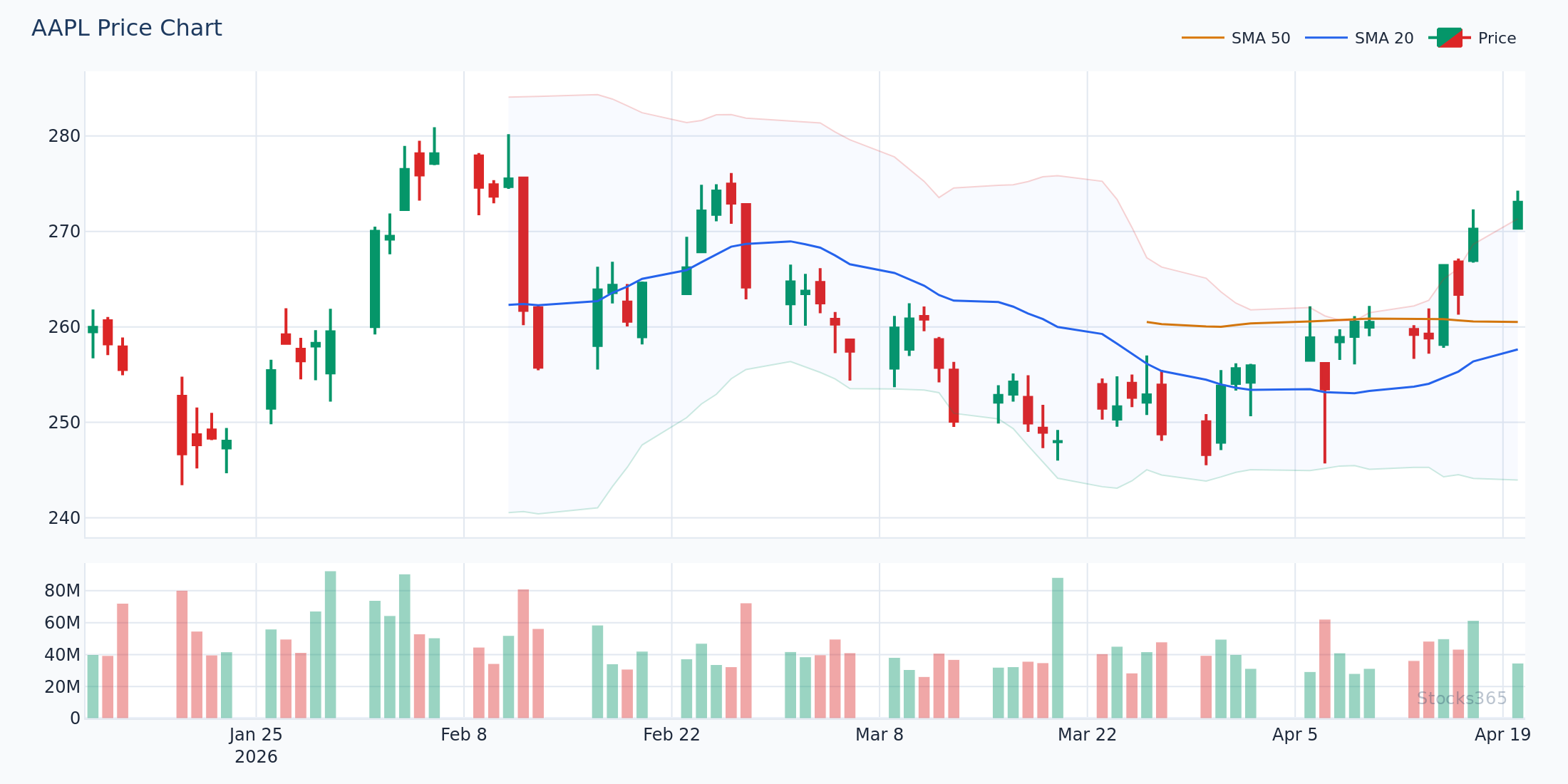
يُظهر هذا الرسم البنية الكاملة لمؤشر بولينجر باند في العمل. لاحظ كيف تتسع النطاقات خلال الفترات المتقلبة وتنكمش بشدة أثناء الاستقرار. عندما يلمس السعر النطاق العلوي بعد ضغط مطوّل، راقب إمّا استمرار الاختراق أو ارتداد حاد نحو المتوسط — إغلاق الشمعة التالية بالنسبة إلى حافة النطاق يؤكد أيًّا منهما يحدث. ضغط متبوع بإغلاق خارج النطاق بحجم قوي غالبًا ما يُشير إلى أن اتجاه الاختراق حقيقي.
مرجع سريع لإعدادات بولينجر باند الأساسية
الإعدادات القياسية (الافتراضية)
- الفترة: 20
- الانحرافات المعيارية: 2.0
- نوع المتوسط المتحرك: بسيط (SMA)
- الأنسب لـ: التداول المتأرجح، الرسوم اليومية
الإعدادات المعدّلة حسب أسلوب التداول
- السكالبينج / قصير المدى (رسوم 5-15 دقيقة): فترة 10، انحراف 1.5
- التداول اليومي (رسوم الساعة): فترة 20، انحراف 2.0
- التداول المتأرجح (رسوم يومية): فترة 20، انحراف 2.0
- التداول الموضعي (رسوم أسبوعية): فترة 20، انحراف 2.5
- الأصول عالية التقلب (العملات الرقمية): فترة 20، انحراف 2.5–3.0
العملات الرقمية تتحرك بشكلٍ مختلف. إعدادات 2.0 القياسية تُخترق باستمرار. التوسيع إلى 2.5 أو 3.0 يبقي النطاقات ذات معنى في بيئات التقلب المرتفع.
الإشارات الخمس الأساسية لبولينجر باند
1. الضغط (Squeeze) — التقلب المنخفض يسبق التقلب المرتفع
يحدث ضغط بولينجر عندما ينكمش النطاقان العلوي والسفلي إلى أضيق نقطة لهما في أسابيع أو شهور. عرض النطاق — المسافة بين النطاقات — ينخفض إلى أدنى مستوى له منذ أشهر. هذا يُشير إلى أن تحرّكًا كبيرًا في الطريق. الاتجاه غير معروف بعد. هذه النقطة الدقيقة التي يغفل عنها أغلب المتداولين.
انتظر شمعة الاختراق. لا تحاول التخمين قبل حدوثه.
مواصفات النمط:
- عرض النطاق ينخفض دون الشريحة العشرينية (نسبةً لآخر 6 أشهر)
- السعر ينضغط بإحكام حول الـ 20-SMA
- الحجم ينكمش بالتوازي مع السعر — يؤكد الضغط
- الاختراق يحدث عندما يغلق السعر بوضوح خارج النطاق بحجم مرتفع
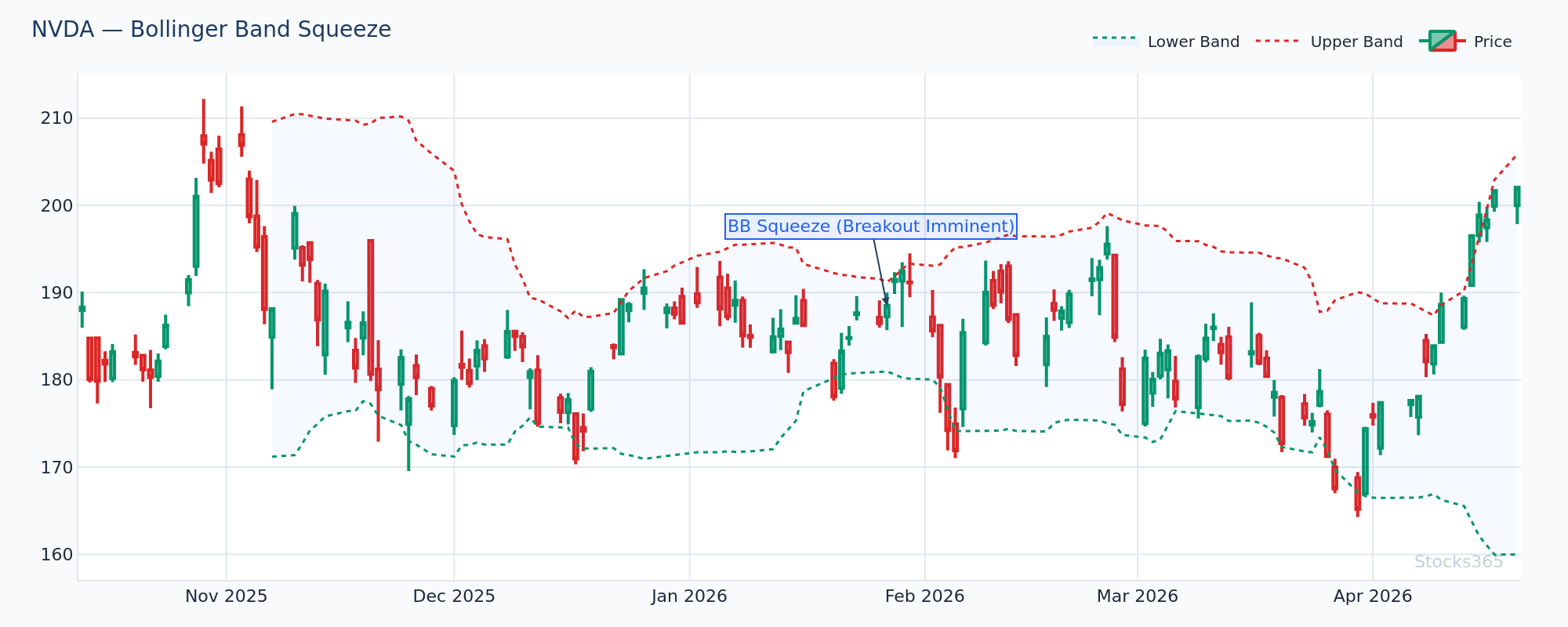
الضغط المُبيَّن هنا هو النمط الذي يعيش المتداولون لأجله. النطاقات انكمشت إلى قرب أضيق مستوياتها على مدى الأشهر الثلاثة السابقة، والسعر ينضغط حول الـ 20-SMA. عند حلّ هذا النمط، عادةً يحدث بقوة — مرحلة التوسع غالبًا تنتج تحركًا بمقدار 2-3 ATR (متوسط المدى الحقيقي) باتجاه الاختراق. الإبطال يحدث إذا اخترق السعر بشكل مؤقت ثم عاد فورًا داخل النطاقات خلال شمعة أو شمعتين.
2. لمسة النطاق العلوي — تحذير من ذروة الشراء أو إشارة اختراق؟
لمس السعر أو اختراقه للنطاق العلوي يعني واحدًا من أمرين: الأصل في اتجاه صاعد قوي، أو أنه مبالغ في تمدده. السياق هو كل شيء هنا.
في سوقٍ ذي اتجاه، يستطيع السعر أن يسير على طول النطاق العلوي لأيام — يلمسه بشكل متكرر بينما يتسارع الاتجاه. في سوقٍ ذي نطاق، لمسة النطاق العلوي إشارة انعكاس.
فحص سياق الاتجاه: هل الـ 20-SMA يميل لأعلى؟ هل السعر يحقق قمم أعلى؟ حينها لمسات النطاق العلوي إشارات استمرار، ليست محفزات انعكاس.
3. لمسة النطاق السفلي — فرصة شراء أم سكين هابطة؟
نفس المنطق ينطبق بالعكس. لمسات النطاق السفلي في اتجاهات هابطة تعني أن الاتجاه قوي — ليس أنه انتهى. في الأسواق ذات النطاق، لمسة النطاق السفلي مع شمعة انعكاس صاعدة (مطرقة، ابتلاع) تُشكّل نمط ارتداد عالي الاحتمال.
تأكد بالحجم. لمسة النطاق السفلي بحجم متناقص أقوى بكثير من لمسة بحجم متوسّع (مما يشير إلى استمرار البيع الذعري).
4. مؤشر %B — قياس دقيق لموقع النطاق
يخبرك %B بالضبط أين يقع السعر نسبةً للنطاقات:
- %B = 1.0: السعر عند النطاق العلوي
- %B = 0.5: السعر عند النطاق الأوسط (20-SMA)
- %B = 0.0: السعر عند النطاق السفلي
- %B > 1.0: السعر اخترق فوق النطاق العلوي
- %B < 0.0: السعر اخترق تحت النطاق السفلي
%B فوق 0.8 مقرونًا بضعف زخم هو تحذير توزيع كلاسيكي. %B تحت 0.2 مع تباعد صاعد هو إشارة تراكم كلاسيكية.
5. العودة إلى المتوسط — جذب النطاق الأوسط
بعد أن يلمس السعر النطاق العلوي أو السفلي، لديه ميلٌ طبيعي للعودة نحو الـ 20-SMA. مبدأ العودة إلى المتوسط هذا أساس العديد من استراتيجيات التداول بمؤشر بولينجر باند.
النطاق الأوسط يعمل كمستوى دعم/مقاومة ديناميكي. في الاتجاهات الصاعدة، التراجعات إلى الـ 20-SMA فرص شراء. في الاتجاهات الهابطة، الارتدادات إلى الـ 20-SMA فرص بيع.
هذا ما يُخطئ فيه أغلب المتداولين
أغلب المتداولين يعاملون لمسة النطاق العلوي كإشارة بيع تلقائية. يرون السعر يصل إلى النطاق العلوي ويفترضون فورًا أن انعكاسًا وشيك. في الأسواق القوية الاتجاه، هذا التفكير يدمرك.
أثناء اتجاه حقيقي، السعر يسير على النطاق العلوي لفترات طويلة. الـ 20-SMA يستمر في الارتفاع. كل تراجع ضحل — السعر يبقى فوق الـ 20-SMA خلال التصحيحات. البيع على المكشوف عند كل لمسة للنطاق العلوي في تلك البيئة يعني محاربة الاتجاه مرارًا — وخسارة. الميزة الحقيقية تكمن في انتظار نمط الفشل: السعر يلمس النطاق العلوي، ثم الشمعة التالية تغلق عائدةً داخل النطاق بحجم موسّع. هذه هي إشارة الانعكاس. اللمسة وحدها لا معنى لها بدون التأكيد اللاحق.
لا تتداول اللمسة. تداول رد الفعل عليها.
دمج بولينجر باند مع مؤشرات أخرى
بولينجر باند + RSI: التوليفة الكلاسيكية
بولينجر باند يقيس التقلب وموقع السعر. RSI يقيس الزخم. معًا، يخلقان رؤية متعددة الأبعاد لظروف السوق لا يوفرها أيٌّ منهما منفردًا.
النمط الأكثر استخدامًا لدى المتداولين:
- السعر يلمس النطاق السفلي لبولينجر
- RSI ينخفض دون 30 (ذروة بيع)
- شمعة انعكاس صاعدة تتشكل عند النطاق
- RSI يبدأ في الصعود من منطقة ذروة البيع
- الدخول عند إغلاق الشمعة فوق قاع شمعة الانعكاس
للنمط البيعي، اعكس جميع الشروط. السعر عند النطاق العلوي، RSI فوق 70، شمعة انعكاس هبوطية. التقارب مهم — إشارة واحدة بمفردها ضعيفة. إشارتان متوافقتان ذات معنى.
إضافة تباعد RSI إلى هذا النمط يجعله أقوى. عندما يُحقق السعر قاعًا جديدًا عند النطاق السفلي لكن RSI يُحقق قاعًا أعلى، ذلك التباعد يشير إلى تلاشي الزخم الهبوطي. مقرونًا بلمسة النطاق السفلي، هو أحد أنظف الأنماط المتاحة.
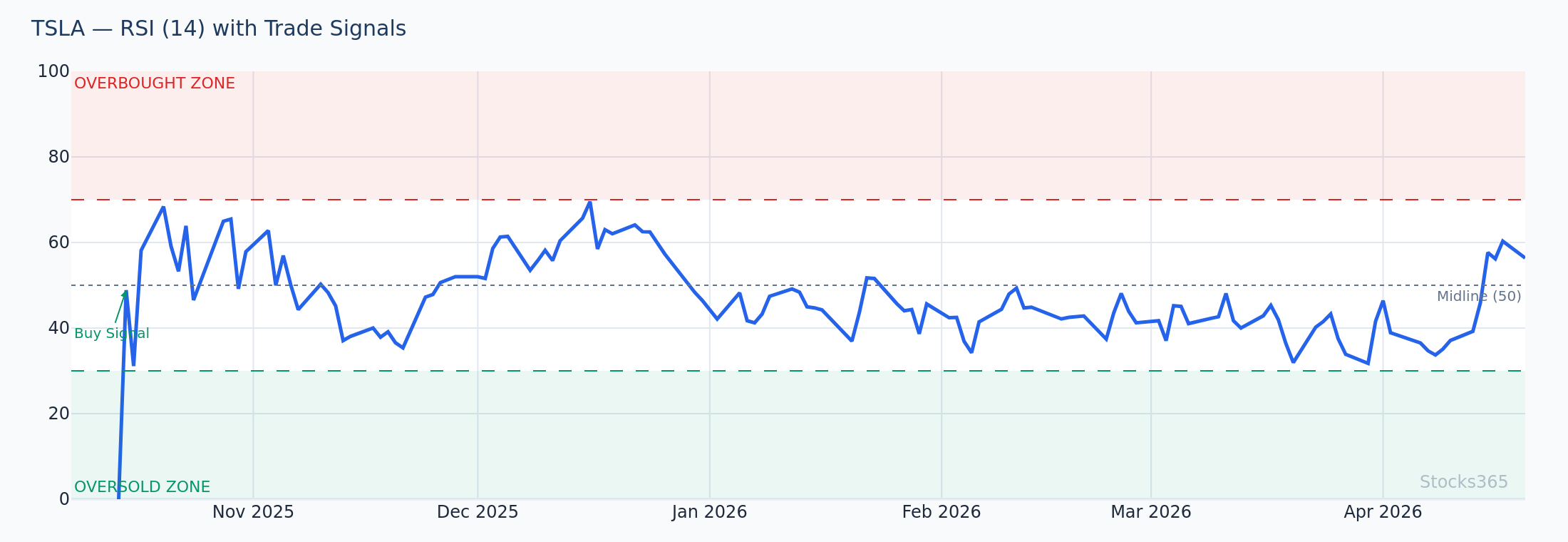
يوضّح هذا الرسم قوة الدمج بين RSI وبولينجر باند. السعر يلمس النطاق السفلي بينما RSI يُظهر تباعدًا صاعدًا — قيعان أعلى في الزخم بينما السعر يحقق قيعانًا أدنى. عندما تتوافق الإشارتان هكذا، احتمال ارتداد معنوي يزداد بشكلٍ كبير. يصل التأكيد عندما يغلق السعر عائدًا فوق النطاق السفلي و RSI يعبر عائدًا فوق 30 — ذلك التأكيد المزدوج هو محفّز الدخول، ليس الإشارة الأولية.
بولينجر باند + الحجم
الحجم هو المؤشر الوحيد الذي يصدّق كل شيء آخر. اختراق ضغط بولينجر بحجم ضعف المتوسط إشارة مختلفة تمامًا عن نفس الاختراق بحجم دون المتوسط.
- اختراق بحجم مرتفع: استمرار الاتجاه مرجّح
- اختراق بحجم منخفض: خطر اختراق كاذب — انتظر التأكيد
- لمسة نطاق بحجم متناقص: حركة إرهاق، انعكاس مرجّح
- لمسة نطاق بحجم متزايد: إشارة استمرار الزخم
بولينجر باند + Stochastic
يضيف مؤشر Stochastic طبقة زخم أخرى. عندما يلمس السعر النطاق العلوي و Stochastic فوق 80، تخلق حالة ذروة الشراء المزدوجة فرصة تداول عودة للمتوسط. نفسه ينطبق بالعكس عند النطاق السفلي مع Stochastic تحت 20.
لنظرة أعمق في دمج مذبذبات الزخم، المقارنة بين RSI و Stochastic تفصّل أيهما يعمل أفضل في ظروف سوق مختلفة.
بولينجر باند حسب فئة الأصول: ماذا تقول البيانات
ليست كل الأصول تستجيب لإشارات بولينجر باند بالتساوي. الإعدادات القياسية تعمل عبر الأسواق، لكن جودة الإشارة تتفاوت بشكلٍ كبير حسب ما تتداوله.
تحليلنا لـ 14,266 إشارة اختراق ضغط بولينجر وجد عامل ربح 1.03 عبر كل فئات الأصول — مما يعني أن اختراقات الضغط واحدة من أكثر أنماط بولينجر موثوقية عند القياس على نطاق واسع. العملات الرقمية تصدّرت بنسبة فوز 51.8%، بينما تأخر الفوركس عند 47.1%. يعمل الضغط بشكل أفضل في الأصول المُعرّضة لتحركات اتجاهية انفجارية بعد الاستقرار — وهو بالضبط ما يميز أسواق العملات الرقمية. شاهد مجموعة البيانات الكاملة في Stocks365 Insights.
اعتبارات فئة الأصول باختصار:
- الأسهم: إعدادات 20 فترة، 2.0 انحراف معياري تعمل جيدًا على الرسوم اليومية
- العملات الرقمية: وسّع إلى 2.5–3.0؛ أنماط الضغط تُظهر أقوى ميزة
- الفوركس: أنماط العودة للمتوسط تعمل أفضل من أنماط الاختراق في الأزواج ذات النطاق
- السلع: لمسات النطاق أقل موثوقية؛ ادمجها مع العوامل الموسمية
- صناديق ETF: نطاقات أوسع (2.5 انحراف) تُرشّح الضوضاء في الأدوات المتنوعة
السير على النطاق (Band Walk) — قراءة قوة الاتجاه
أحد أكثر مفاهيم بولينجر باند المُهملة هو السير على النطاق. أثناء الاتجاهات القوية، السعر لا يلمس النطاق فقط — بل يسير على طوله لعدة شموع.
تحديد سير على النطاق:
- ثلاثة إغلاقات شموع متتالية أو أكثر عند أو فوق النطاق العلوي
- الـ 20-SMA يميل بوضوح باتجاه الترند
- التراجعات ضحلة — السعر يبقى فوق الـ 20-SMA خلال التصحيحات
- الحجم يبقى مرتفعًا طوال الوقت
عندما ترى سيرًا على النطاق، الصفقة ليست الانعكاس. الصفقة هي شراء التراجع إلى الـ 20-SMA. هذه عقلية متابعة الاتجاه التي تكافئها بولينجر باند.
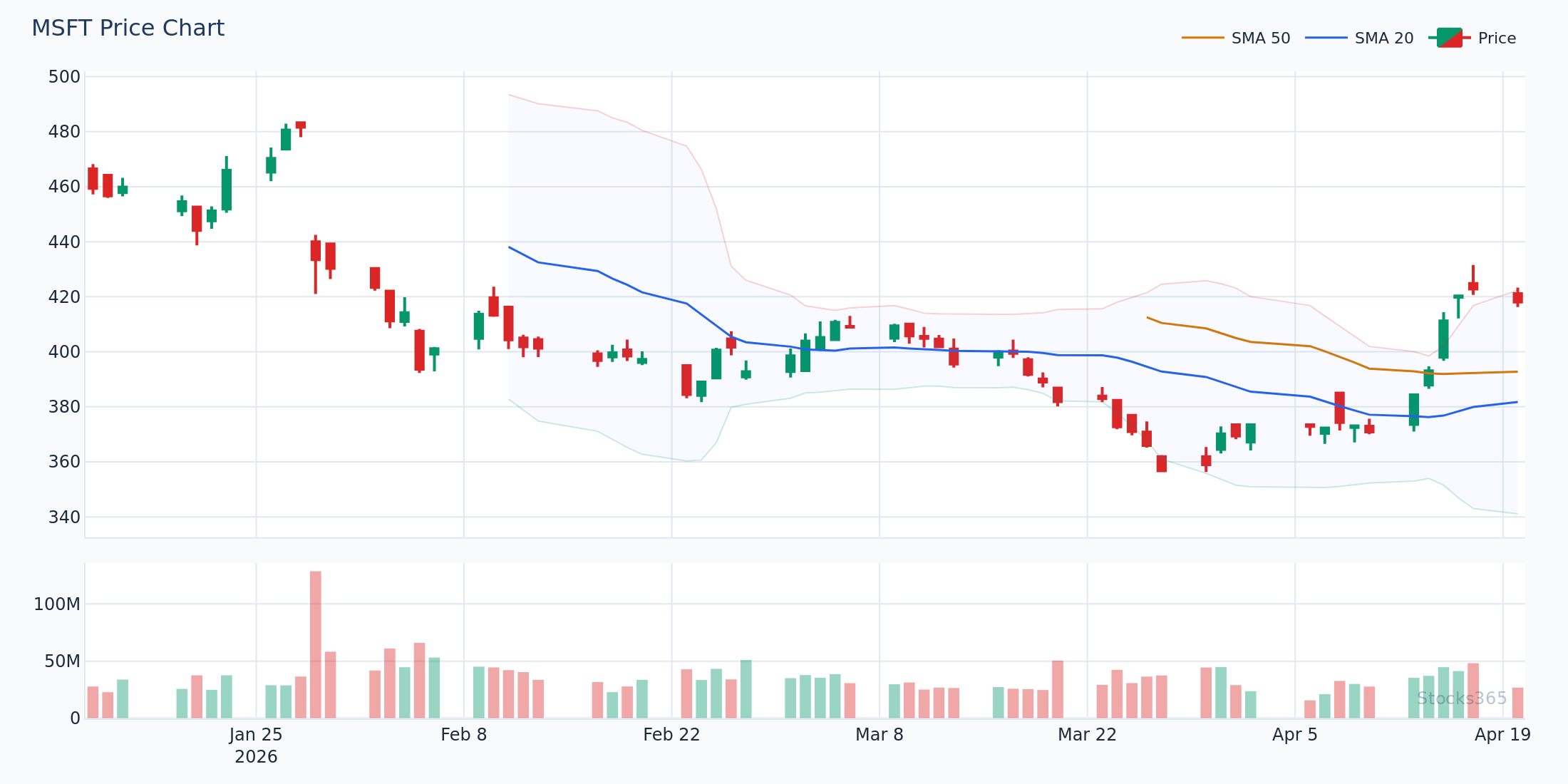
يُظهر هذا الرسم سيرًا كلاسيكيًّا على النطاق العلوي خلال مرحلة اتجاه. يغلق السعر عند أو قرب النطاق العلوي عبر جلسات متتالية متعددة بينما يستمر الـ 20-SMA في الميل لأعلى — يؤكد صحة الاتجاه. الدخول الأمثل في هذه البيئة ليس عند لمسة النطاق العلوي بل عند التراجع نحو الـ 20-SMA، حيث تتحسن نسبة المخاطرة إلى العائد بشكلٍ كبير. ينتهي السير على النطاق عندما يغلق السعر تحت الـ 20-SMA بحجم فوق المتوسط، ما يُشير إلى تغيير محتمل في حالة السوق.
جدول ملخص إشارات بولينجر باند
مرجع سريع لكل نمط رئيسي:
- الضغط (عرض النطاق عند أدنى مستوى منذ شهور): استعد للاختراق — الاتجاه غير محدد
- اختراق ضغط فوق النطاق العلوي + حجم مرتفع: استمرار صاعد
- اختراق ضغط تحت النطاق السفلي + حجم مرتفع: استمرار هابط
- لمسة النطاق العلوي في اتجاه صاعد: استمرار — لا تراهن ضد الاتجاه
- لمسة النطاق العلوي في نطاق: نمط بيع — راقب شمعة انعكاس
- لمسة النطاق السفلي في اتجاه هابط: استمرار — لا تشترِ القاع أعمى
- لمسة النطاق السفلي في نطاق: نمط شراء — راقب شمعة انعكاس
- %B يعبر فوق 0.5 من الأسفل: الزخم يتحول صاعدًا
- %B يعبر تحت 0.5 من الأعلى: الزخم يتحول هابطًا
- السعر يغلق عائدًا داخل النطاقات بعد اختراق: اختراق كاذب — اعكس
- السير على النطاق (3 إغلاقات أو أكثر عند النطاق العلوي): اتجاه صاعد قوي — اشترِ التراجعات إلى 20-SMA
- السير على النطاق (3 إغلاقات أو أكثر عند النطاق السفلي): اتجاه هابط قوي — بع الارتدادات إلى 20-SMA
الأخطاء الشائعة الواجب تجنبها في بولينجر باند
الخطأ 1: استخدام النطاقات بمعزل
بولينجر باند أدوات سياق، وليست مولدات إشارة قائمة بذاتها. تأكد دائمًا من الإشارات بمؤشرٍ إضافي واحد على الأقل — الحجم، أو RSI، أو أنماط حركة السعر. لمسة نطاق بلا تأكيد مجرد نقطة بيانات.
الخطأ 2: تجاهل اتجاه الترند
أنماط العودة للمتوسط تفشل في الأسواق ذات الاتجاه. قبل المراهنة ضد لمسة نطاق، حدد الاتجاه السائد. ميل الـ 20-SMA يخبرك بكل شيء — ميل لأعلى يعني تداول شراء، ميل لأسفل يعني تداول بيع، ميل مسطّح يعني قواعد التداول ضمن نطاق.
الخطأ 3: التحسين المُفرط للإعدادات
تغيير الإعدادات على كل أصل لزيادة الأداء المُختبَر تاريخيًّا هو ملاءمة منحنى. التزم بالإعدادات القياسية (20، 2.0) لمعظم الأسواق ولا تعدّل إلا للأصول المختلفة هيكليًّا مثل العملات الرقمية عالية التقلب. الاتساق يتفوق على التحسين المفرط.
الخطأ 4: معاملة كل ضغط كاختراق كبير
ليس كل ضغط يؤدي إلى تحرك هائل. بعض الضغوط تحلّ بتحركات متواضعة بمقدار 1-ATR. حجم المراكز وفق بيئة التقلب، وليس بناءً على أمل التوسع الهائل. دع السوق يُريك الحجم — لا تفترضه مسبقًا.
إذا أردت تعميق فهمك لإشارات تباعد الزخم التي تكمّل أنماط بولينجر باند، التباعد الخفي في RSI واحد من أدوات التأكيد الأكثر إهمالاً.
ما الذي يجب مراقبته
- أنماط ضغط بولينجر على أسهم التكنولوجيا والعملات الرقمية: عندما ينخفض عرض النطاق دون الشريحة العشرينية نسبةً لآخر ستة أشهر وينضغط السعر حول الـ 20-SMA، شمعة الاختراق التالية بحجم مرتفع غالبًا تُشير إلى توسع بمقدار 2-3 ATR. هذه أعلى أنماط الثقة ينتجها المؤشر.
- لمسات النطاق السفلي بعد اتجاه هابط لأسابيع مع تباعد صاعد في RSI: عندما يطبع السعر قاعًا جديدًا عند النطاق السفلي لكن RSI يفشل في تأكيد القاع الجديد، التباعد مقرونًا بلمسة النطاق يخلق نمط عودة للمتوسط عالي الاحتمال. تأكد بشمعة انعكاس صاعدة قبل الدخول.
- السير على النطاق العلوي في أسهم الشركات الكبرى خلال موسم الأرباح: عندما يسير السعر على النطاق العلوي عبر ثلاث جلسات أو أكثر مع صعود الـ 20-SMA، تجنّب البيع. بدلاً من ذلك، راقب أول تراجع نحو الـ 20-SMA كإعادة دخول مثلى لاستمرار الاتجاه.
- الاختراقات الكاذبة بعد الضغوط: السعر يخترق فوق النطاق العلوي عند ضغط، ثم يغلق عائدًا داخل النطاق خلال شمعتين. نمط الفشل هذا إشارة انعكاس عالية الاحتمال بالاتجاه المعاكس — خاصة عندما كان الحجم تحت المتوسط عند الكسر الأولي.
- اختراقات ضغط العملات الرقمية عندما ينضغط عرض النطاق إلى أدنى مستوى منذ ستة أشهر: أصول العملات الرقمية تُظهر أقوى خصائص اختراق ضغط من أي فئة أصول. عندما يصل عرض النطاق إلى ضغط قصوى على أصل رقمي رئيسي، التوسع اللاحق يميل لأن يكون أكثر حسمًا واستدامة من الأسهم أو الفوركس.
كيف تستخدم Stocks365 هذا
تكامل مع نظام Trust Score من Stocks365
إشارات بولينجر باند واحدة من أكثر من 12 مؤشرًا مدمجًا في نظام Trust Score من Stocks365. تحديدًا، موقع بولينجر باند يساهم في تصنيف حالة التقلب وطبقات الاتفاق بين الإشارات ضمن إطار Trust Score.
عندما يسبق ضغط بولينجر إشارة اختراق، يمنح Trust Score تلك الإشارة وزنًا مختلفًا عن لمسة نطاق عشوائية — معترفًا بالضغط الهيكلي الذي سبقها. موقع النطاق (%B) يغذّي تصنيف الاتفاق: الإشارات متعددة المؤشرات المتوافقة (مثلًا لمسة النطاق السفلي + RSI في ذروة بيع + تباعد حجم صاعد) تحصل على Trust Score أعلى من إشارات المؤشر الواحد.
يمكنك رؤية بيانات إشارات بولينجر باند المباشرة عبر آلاف الأدوات على لوحة تحكم إشارات Stocks365، وأنماط الأصول الفردية مثل إشارات AAPL تُظهر موقع النطاق في الوقت الفعلي بجانب تفصيل Trust Score الكامل. أبحاث Stocks365 عبر 3,255 إشارة لمسة نطاق علوي وجدت نسبة فوز 49.6% وعامل ربح 0.88 على فترة احتفاظ 10 أيام — يؤكد أن لمسات النطاق العلوي وحدها ميزات هامشية، وهذا بالضبط لماذا يتطلب Trust Score تقارب متعدد المؤشرات قبل رفع ثقة الإشارة. راجع مجموعة البيانات الكاملة في Stocks365 Insights.
النقاط الأساسية
دليل بولينجر باند السريع — ملخص موجز
- بولينجر باند يستخدم مركز 20-SMA مع نطاقات علوية وسفلية عند انحرافين معياريين — الإعدادات القياسية تعمل لمعظم الأسواق
- الضغط (انضغاط عرض النطاق) هو النمط الأعلى احتمالاً — انتظر شمعة الاختراق المؤكدة قبل الدخول
- لمسات النطاق العلوي والسفلي تعتمد على السياق — اتجاه الترند يحدد ما إذا كنت تتداول استمرارًا أو انعكاسًا
- السير على النطاق يُشير إلى اتجاهات قوية — تداول التراجعات إلى الـ 20-SMA، وليس لمسة النطاق نفسها
- اجمعه مع RSI والحجم وأنماط الشموع للتأكيد — إشارات النطاق وحدها ميزة محدودة
- العملات الرقمية تستجيب أقوى لاختراقات الضغط؛ الفوركس يستجيب أفضل لأنماط العودة للمتوسط
- الاختراقات الكاذبة (السعر يغلق عائدًا داخل النطاق بعد الكسر) إشارات انعكاس عالية الاحتمال
- %B يقيس بدقة أين يجلس السعر داخل النطاقات — استخدمه لتحديد ظروف ذروة الشراء/البيع
الأسئلة الشائعة
ما هي أفضل إعدادات بولينجر باند للتداول اليومي؟
بالنسبة للتداول اليومي على الرسوم البيانية للساعة، تعمل الإعدادات القياسية (20 فترة، 2.0 انحراف معياري) بشكلٍ جيد. أما للأطر الزمنية الأقصر مثل 5-15 دقيقة، قلّل الفترة إلى 10 واخفض الانحراف المعياري إلى 1.5 للحفاظ على سرعة استجابة النطاقات لحركة السعر الأسرع. تجنّب التحسين المُفرط للإعدادات لأصول محددة — الاتساق عبر الإعدادات يبني تعرّفًا نمطيًّا أكثر موثوقية مع الوقت.
ما مدى موثوقية ضغط بولينجر كإشارة تداول؟
الضغط واحد من أكثر أنماط بولينجر باند المدعومة إحصائيًّا. المفتاح هو الانتظار حتى يتأكد اتجاه الاختراق بدلًا من محاولة توقعه خلال الانضغاط. تأكيد الحجم على شمعة الاختراق يحسّن موثوقية الإشارة بشكلٍ كبير. الضغوط التي تنحلّ بحجم فوق المتوسط في اتجاه واضح تميل لإنتاج تحركات أكثر استدامة من تلك التي تنكسر بحجم ضعيف.
هل يمكن استخدام بولينجر باند على جميع الأطر الزمنية؟
نعم. بولينجر باند يعمل على كل الأطر من دقيقة واحدة إلى الرسوم الشهرية. الإشارات الأكثر موثوقية تأتي من الأطر الأعلى (يومي فأكثر) لأن الأطر الأقصر تحتوي ضوضاء أكثر. عند استخدام بولينجر باند على الرسوم اللحظية، دائمًا وافِق تحليلك مع اتجاه الإطار الأعلى — لمسة النطاق السفلي على 15 دقيقة تحمل وزنًا أكبر إذا كان الرسم اليومي في اتجاه صاعد.
ما الفرق بين بولينجر باند وقنوات كيلتنر؟
بولينجر باند يستخدم الانحراف المعياري لتحديد عرض النطاق، مما يجعله حساسًا للتقلبات. قنوات كيلتنر تستخدم Average True Range (ATR)، مما يجعلها أكثر سلاسة وأقل تفاعلًا مع طفرات التقلب المفاجئة. كثير من المتداولين يستخدمون كليهما معًا — عندما ينضغط بولينجر باند داخل قنوات كيلتنر، يُشير هذا إلى ضغط قصوى (يُسمى أحيانًا "Squeeze Pro") غالبًا ما يسبق تحركات كبيرة.
هل يجب دمج بولينجر باند مع RSI لإشارات أفضل؟
الدمج بين بولينجر باند وRSI واحد من أكثر التوليفات فعالية في التحليل الفني. بولينجر باند يحدد موقع السعر والتقلب؛ RSI يحدد قوة الزخم. عند التوافق — مثلًا لمسة النطاق السفلي مع RSI تحت 30 ويتجه لأعلى — تتحسن جودة الإشارة بشكلٍ كبير مقارنةً باستخدام أي منهما منفردًا. للمزيد حول كيفية حساب RSI ولماذا يكمّل المؤشرات القائمة على السعر، الرياضيات الأساسية تشرح الطبيعة التكاملية للأداتين.