
إعدادات بولينجر باند: الدليل الشامل لتخصيص المؤشر لكل أسلوب تداول
قلّة من المؤشرات الفنية تتمتع بمرونة بولينجر باند — أو تُساء فهمها بنفس القدر. غالبية المتداولين يفتحون منصة الرسوم البيانية، يتركون إعدادات بولينجر باند الافتراضية كما هي، ثم يتساءلون لماذا تبدو إشاراتهم متذبذبة. الحقيقة؟ الإعدادات الافتراضية نقطة انطلاق، وليست وجهة نهائية. اللحظة التي تُحاذي فيها إعدادات بولينجر باند مع أسلوبك الفعلي في التداول، والإطار الزمني، ونوع الأصل — كل شيء يتغيّر.
في هذا الدليل، سنُفكّك بالضبط كيف تعمل بولينجر باند من الداخل، نستعرض كل إعداد ذي معنى يمكنك تعديله، ونُقدّم لك تكوينات ملموسة للمضاربين السريعين، والمتداولين اليوميين، والمتداولين المتأرجحين، ومتداولي المراكز طويلة الأجل. كذلك سنُريك كيف تدمج بولينجر باند مع مؤشرات الزخم — مثل RSI — لتحسين جودة الإشارة بشكل كبير.
ملاحظة سريعة: إذا كنت تستخدم لوحة تحكم إشارات Stocks365، ستجد إشارات ضغط واختراق بولينجر باند مُفلترة بالفعل عبر نظام درجة الثقة الخاص بنا — بمعنى أن الإعدادات ضعيفة الجودة يتم تقليل وزنها تلقائياً قبل أن تصل إليك.
ما هي بولينجر باند؟ تذكير سريع
طوّر جون بولينجر هذا المؤشر في ثمانينيات القرن الماضي، وهو يتكوّن من ثلاثة خطوط مرسومة على الرسم البياني للسعر:
- النطاق الأوسط: متوسط متحرك بسيط (SMA)، عادة لـ20 فترة
- النطاق العلوي: النطاق الأوسط + (الانحراف المعياري × المضاعف)
- النطاق السفلي: النطاق الأوسط − (الانحراف المعياري × المضاعف)
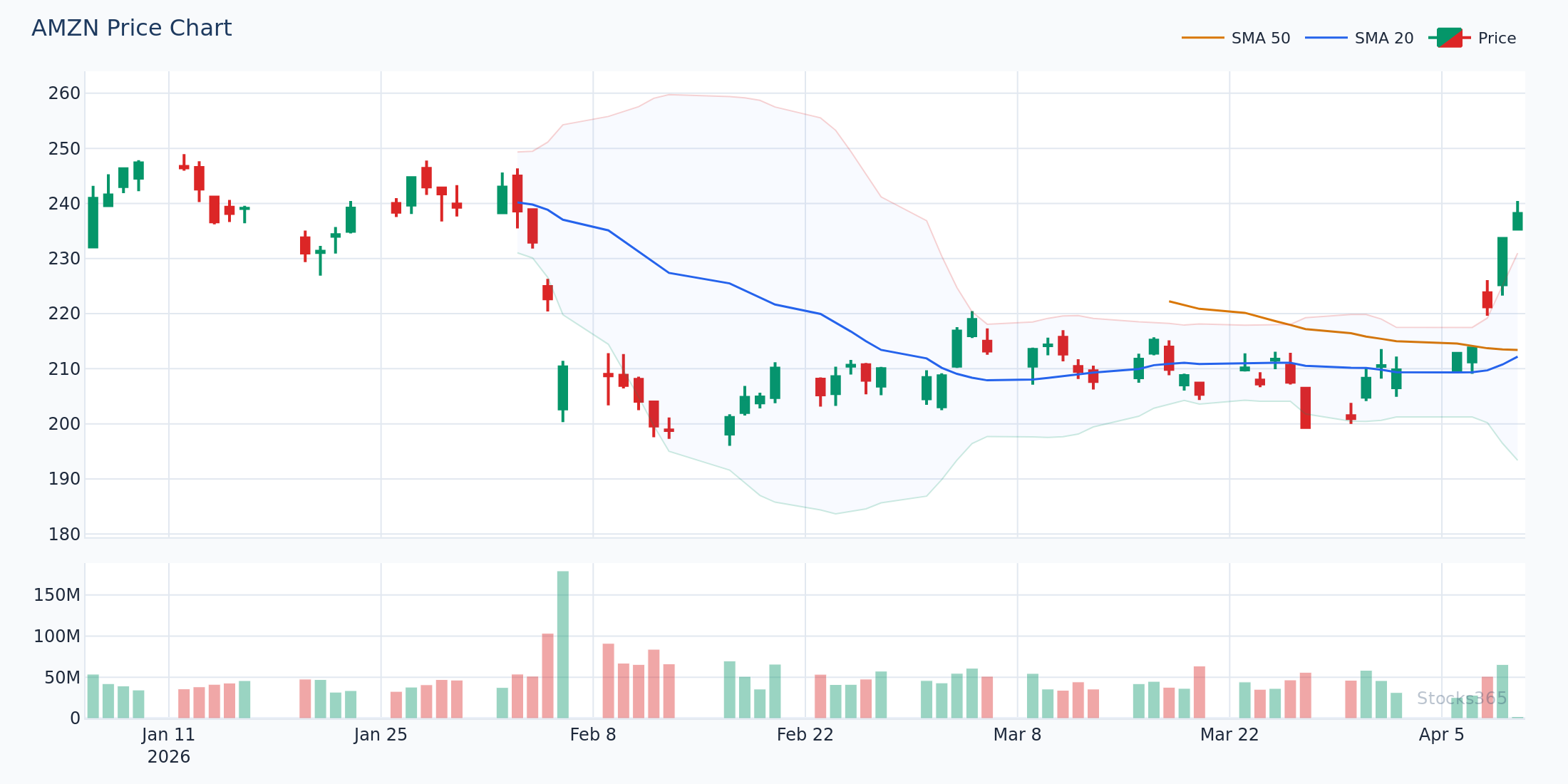
النطاقات تتمدد وتنكمش ديناميكياً بناءً على تقلب السوق. عندما تكون حركة السعر هادئة، تضيق النطاقات إلى ما يسميه المتداولون الضغط (squeeze). عندما ينفجر التقلب، تتسع النطاقات. هذه الطبيعة ذاتية التعديل هي ما يجعل بولينجر باند قوية جداً عبر ظروف السوق المختلفة — لكنها أيضاً تعني أن إعدادات بولينجر باند يجب أن تتناسب مع ملف التقلب الخاص بالأداة التي تتداولها.
الإعدادات الأساسية الثلاثة التي يمكنك تعديلها في بولينجر باند
قبل الغوص في تكوينات محددة لكل أسلوب، دعنا نفهم كل معامل قابل للتعديل وماذا يتحكم بالفعل.
1. الفترة (Period / Length)
الفترة تتحكم في عدد الشموع المستخدمة لحساب المتوسط المتحرك البسيط للنطاق الأوسط. الافتراضي هو 20 فترة، ويعمل بشكل معقول على الرسوم البيانية اليومية للمتداولين المتأرجحين. لكن إليك ما يفعله تغييرها فعلياً:
- فترات أقصر (10-15): النطاقات تستجيب أسرع لتغيرات السعر. يُولَّد المزيد من الإشارات، لكن يكون هناك المزيد من الضوضاء والمزيد من الاختراقات الخاطئة. مثالية للمضاربين السريعين والمتداولين اليوميين العدوانيين.
- الفترة الافتراضية (20): حساسية متوازنة. تعمل جيداً للتداول المتأرجح على الرسوم البيانية اليومية والتداول اليومي على رسوم الساعة.
- فترات أطول (50-200): النطاقات تتحرك ببطء، فلترة الضوضاء قصيرة المدى. إشارات أقل، لكن جودة أعلى. يستخدمها متداولو المراكز والمستثمرون الذين يتابعون الاتجاهات الكلية.
2. مضاعف الانحراف المعياري
مضاعف الانحراف المعياري يحدد مدى بُعد النطاقين العلوي والسفلي عن النطاق الأوسط. الافتراضي هو 2.0، مما يعني إحصائياً أن حوالي 95% من حركة السعر يجب أن تقع داخل النطاقات في ظل شروط التوزيع الطبيعي. تعديل هذا المعامل يُغيّر مدى "ضيق" أو "اتساع" النطاقات:
- مضاعف 1.5: نطاقات أضيق. السعر يلمس النطاقات بشكل أكثر تكراراً، مما يولد المزيد من الإشارات. خطر ضوضاء أعلى.
- مضاعف 2.0 (افتراضي): المعيار الصناعي. توازن جيد بين تكرار الإشارة والجودة.
- مضاعف 2.5-3.0: نطاقات أوسع. فقط الحركات السعرية الشديدة تلمس النطاقات. يُستخدم لتحديد حالات التشبع الشرائي/البيعي الاستثنائية حقاً في الأصول المتقلبة مثل العملات الرقمية أو الأسهم عالية البيتا.
3. نوع المتوسط المتحرك
معظم المنصات تستخدم افتراضياً متوسطاً متحركاً بسيطاً (SMA) للنطاق الأوسط. مع ذلك، بعض المتداولين يستبدلونه بمتوسط متحرك أسّي (EMA)، الذي يعطي وزناً أكبر للأسعار الأخيرة. نسخة EMA تجعل النطاق الأوسط أكثر تفاعلاً، وقد يكون مفيداً لمتداولي الزخم لكنه قد يولد المزيد من الإشارات الخاطئة في الأسواق المتقلبة.
لمعظم المتداولين، الاحتفاظ بـSMA هو الخيار الصحيح. إذا أردت إشارات أسرع، تعديل الفترة نهج أنظف من التحويل إلى EMA.
إعدادات بولينجر باند حسب أسلوب التداول
الآن دعنا ندخل في التكوينات العملية. هذه إعدادات مُختبَرة في الواقع يستخدمها متداولون محترفون في بيئة سوق 2026.
المضاربة السريعة: إعدادات لرسوم دقيقة واحدة وخمس دقائق
المضاربون يحتاجون نطاقات سريعة الاستجابة تلتقط حركات سعرية دقيقة. التحدي هو تجنب الضوضاء التي تأتي مع إعدادات فائقة الحساسية.
الإعدادات الموصى بها للمضاربة السريعة:
- الفترة: 10
- الانحراف المعياري: 1.5
- الإطار الزمني: رسوم دقيقة واحدة أو خمس دقائق
- الأنسب لـ: الأسهم الكبرى عالية السيولة مثل AAPL أو MSFT خلال ساعات السوق الذروة
مع هذه الإعدادات، ستحتضن النطاقات السعر بشكل وثيق وتتوسع بسرعة عند أي انفجار تقلب. يبحث المضاربون عن لمس السعر أو اختراق النطاق السفلي كإشارة دخول، ثم الخروج بالقرب من النطاق الأوسط (عودة للمتوسط). يجب وضع وقف الخسارة مباشرة خارج النطاق الذي تم لمسه.
مهم: عند 1.5 انحراف معياري، توقع أن يخترق السعر النطاقات بنسبة 30% تقريباً من الوقت في الظروف العادية. هذا أعلى بكثير من الافتراضي، لذا ستشاهد المزيد من الإشارات — والمزيد من الخاطئة منها. أكّد دائماً بمرشح زخم.
التداول اليومي: إعدادات لرسوم 15 دقيقة وساعة واحدة
المتداولون اليوميون يستفيدون أكثر من الإعدادات الافتراضية أو المعدّلة قليلاً، حيث يوفر المتوسط المتحرك البسيط لـ20 فترة متوسطاً موثوقاً للتداول حوله عبر جلسة تداول كاملة.
الإعدادات الموصى بها للتداول اليومي:
- الفترة: 20
- الانحراف المعياري: 2.0
- الإطار الزمني: رسوم 15 دقيقة أو ساعة واحدة
- الأنسب لـ: أسهم الزخم، صناديق المؤشرات، أو العقود الآجلة خلال الجلسات النشطة
النهج الكلاسيكي للتداول اليومي مع هذه الإعدادات هو ارتداد بولينجر باند: في سوق محدود النطاق، يميل السعر للارتداد بين النطاقين العلوي والسفلي. على رسم ساعة TSLA مثلاً باستخدام هذه الإعدادات، قد تلاحظ السعر يلمس النطاق السفلي عند $240.50، متبوعاً بعودة للمتوسط نحو 20 SMA عند $248.00 — حركة نظيفة بـ7 نقاط خلال اليوم.
لمتداولي الاتجاه اليوميين، اختراق فوق النطاق العلوي مع توسع الحجم يشير إلى قوة استمرارية. النطاق الأوسط حينها يعمل كدعم ديناميكي أثناء التراجعات.
التداول المتأرجح: إعدادات للرسوم البيانية اليومية
المتداولون المتأرجحون الذين يحتفظون بمراكز لمدة 3-10 أيام لديهم ترف الانتظار لإعدادات عالية الجودة. تكوين 20/2.0 القياسي يعمل جيداً هنا، لكن العديد من المتداولين المتأرجحين ذوي الخبرة يفضلون فترة أطول قليلاً لفلترة ضوضاء اليومية.
الإعدادات الموصى بها للتداول المتأرجح:
- الفترة: 20 (قياسي) أو 30 (مفلتر للضوضاء)
- الانحراف المعياري: 2.0
- الإطار الزمني: رسوم بيانية يومية
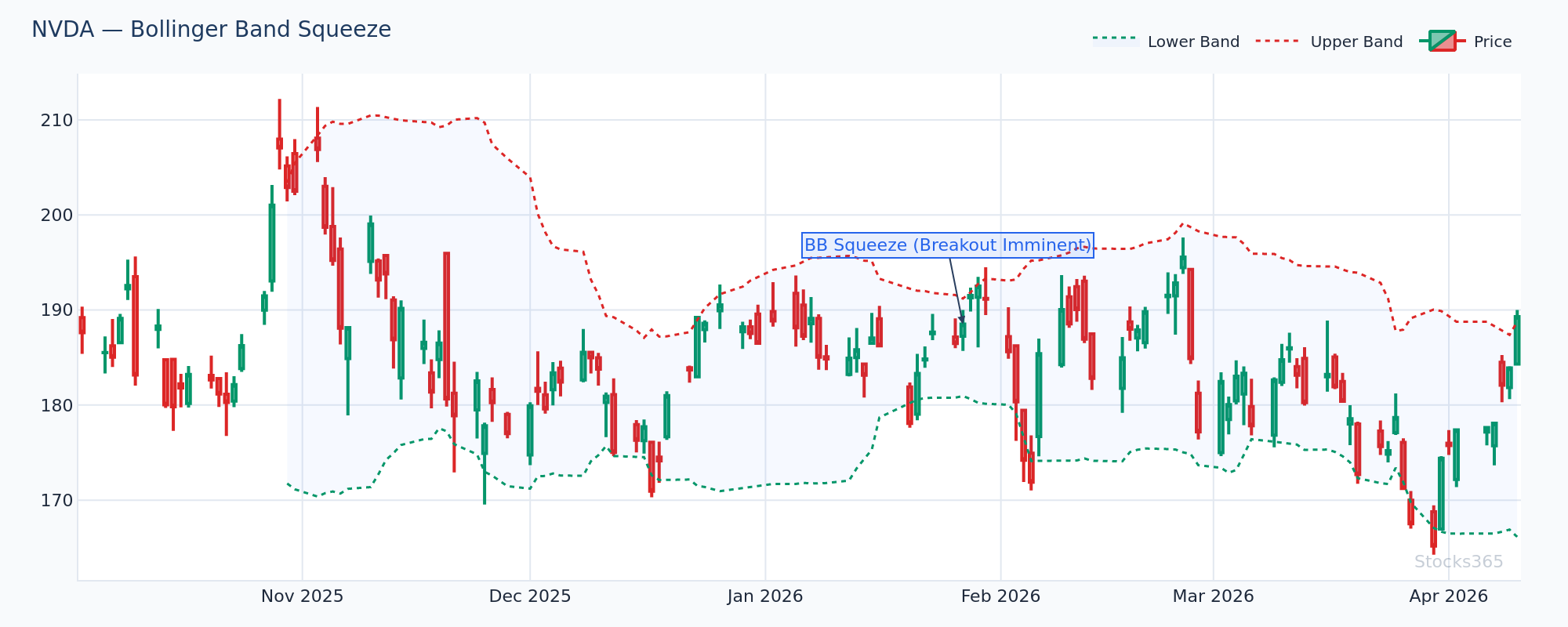
- الأنسب لـ: الأسهم ذات هيكل اتجاه واضح — راجع إعداد NVDA اليومي
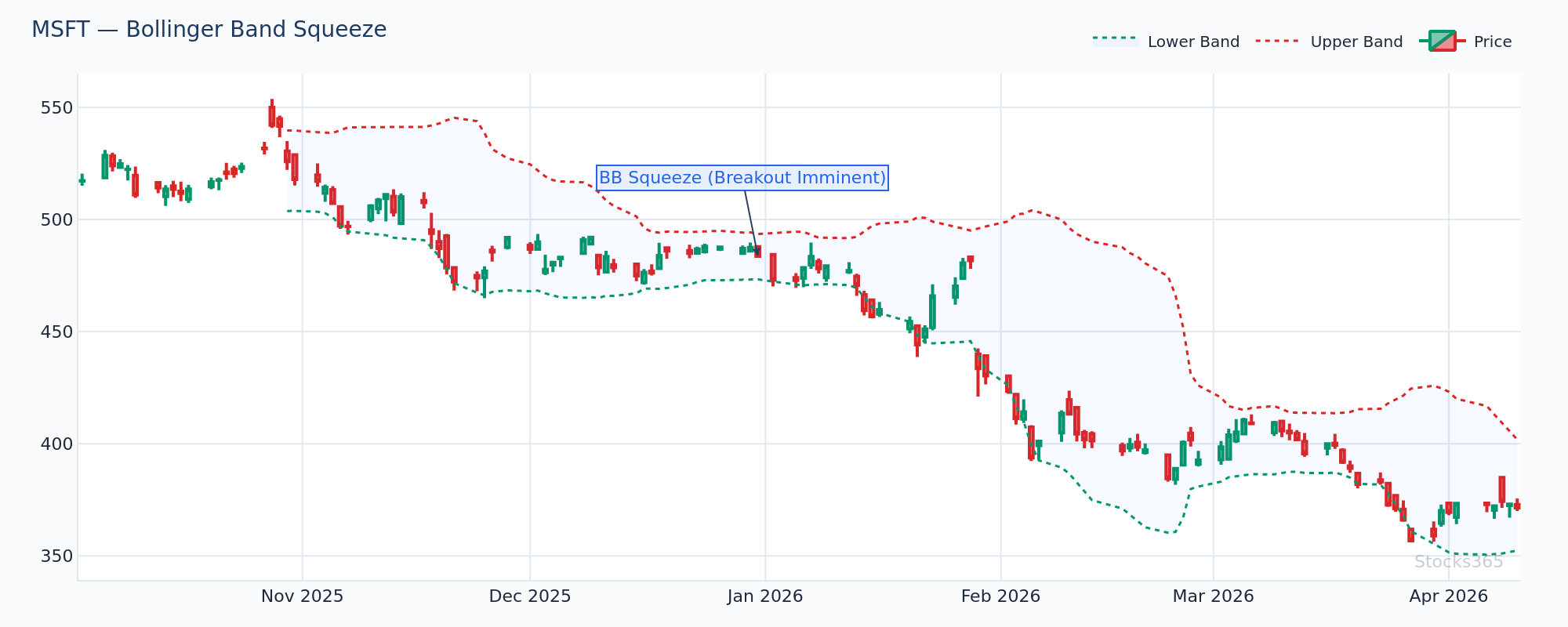
على رسم MSFT اليومي في أوائل 2026، قد يُظهر إعداد بولينجر باند لـ20 فترة السهم يتماسك لمدة 10 أيام داخل تشكيل نطاق متشدد (الضغط). عندما تبدأ النطاقات في التوسع ويُغلق MSFT فوق النطاق العلوي عند $420.00، تلك هي إشارة الدخول المتأرجح. الهدف المقيس سيكون المسافة من النطاق الأوسط إلى النطاق العلوي، مُسقطة للأعلى — حوالي $15-20 في هذا السيناريو.
تداول المراكز: إعدادات للرسوم البيانية الأسبوعية
المتداولون طويلو الأجل يحتاجون نطاقات بولينجر باند تفلتر أسابيع من الضوضاء وتُعلّم فقط على أحداث سعرية ذات دلالة حقيقية. هذا يعني استخدام فترة أطول مع انحراف معياري أوسع.
الإعدادات الموصى بها لتداول المراكز:
- الفترة: 50
- الانحراف المعياري: 2.5
- الإطار الزمني: رسوم بيانية أسبوعية
- الأنسب لـ: الأسهم القيادية الكبرى، صناديق المؤشرات، تحليل الاتجاه الكلي
مع إعداد 50 فترة أسبوعي، يصبح النطاق الأوسط مرشح اتجاه طويل الأجل ذا معنى. إغلاق أسبوعي تحت النطاق السفلي عند 2.5 انحراف معياري يشير إلى منطقة تشبع بيعي متطرفة — نوع الحدث الذي يحدث فقط عدة مرات في السنة حتى في الأسواق المتقلبة. هذه نقاط دخول عالية الاقتناع للمستثمرين الصبورين.
دمج بولينجر باند مع RSI: القوة المضاعفة
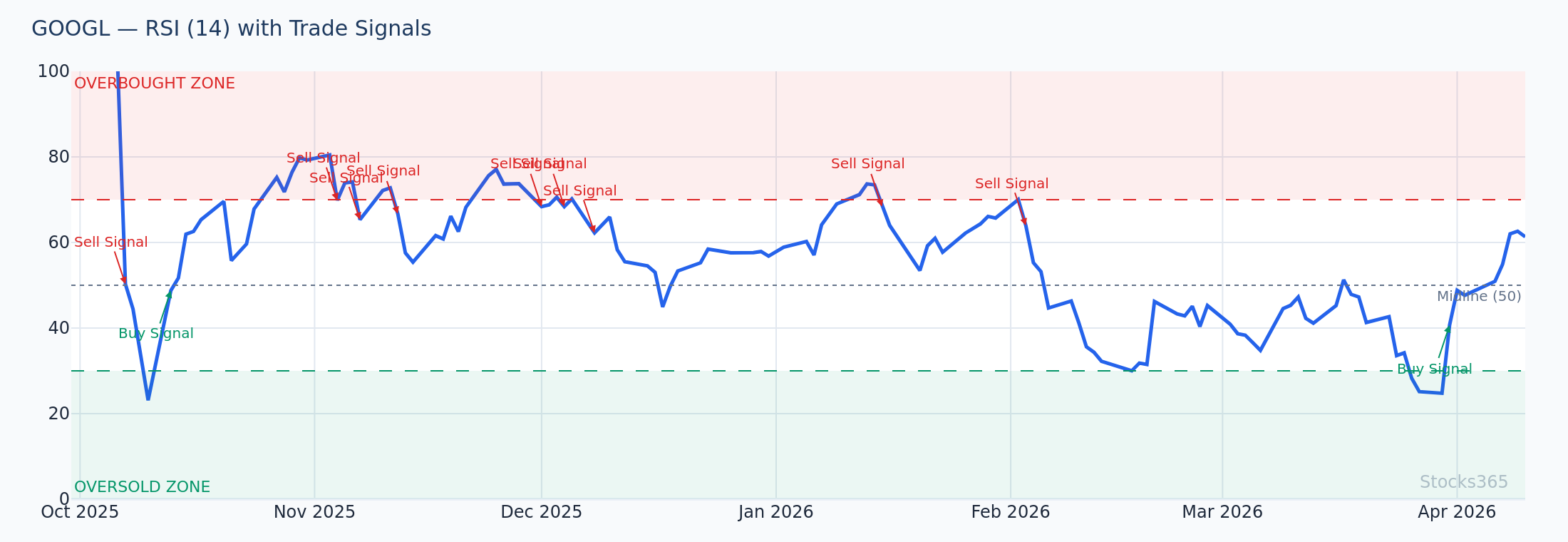
بولينجر باند تتفوق في تحديد متى يكون السعر عند طرف متطرف نسبة لتقلبه الأخير. ما لا تُخبرك به هو ما إذا كان الزخم يدعم انعكاساً أو استمراراً. هنا يصبح إقرانها بمذبذب زخم مثل RSI ذا قيمة كبيرة.
منطق الجمع واضح:
- إعداد صعودي: السعر يلمس أو يُغلق تحت النطاق السفلي و RSI عند أو تحت 30 (تشبع بيعي). كلا المؤشرين يؤكدان استنفاد ضغط البيع.
- إعداد هبوطي: السعر يلمس أو يُغلق فوق النطاق العلوي و RSI عند أو فوق 70 (تشبع شرائي). كلاهما يؤكدان استنفاد ضغط الشراء.
- مكافأة التباعد: إذا أظهر RSI تباعداً صعودياً بينما السعر عند النطاق السفلي، احتمالية الانعكاس تزداد بشكل كبير.
إذا كنت جديداً على استخدام RSI إلى جانب مؤشرات السعر، فإن الدليل الشامل لـRSI مورد مرافق ممتاز. وإذا كنت غير متأكد ما إذا كان RSI أو Stochastic هو المكمّل الأفضل لإعداد بولينجر باند، فإن مقارنة RSI مقابل Stochastic تفصّل الفروقات الرئيسية.
تكتيك مغفل عنه غالباً هو مراقبة التباعد الخفي في RSI عندما يكون السعر منضغطاً داخل النطاقات. هذا يمكن أن يُنبئ باتجاه الاختراق النهائي قبل أن تبدأ النطاقات حتى في التوسع.
تقنيات بولينجر باند المتقدمة لأسواق 2026
ضغط بولينجر باند: توقيت الحركات الانفجارية
الضغط هو على الأرجح أقوى إعداد متاح في بولينجر باند. يحدث عندما تنكمش النطاقات إلى أضيق نقطة لها نسبة للتاريخ الأخير، مشيرة إلى فترة تقلب منخفض تسبق دائماً تقريباً حركة اتجاهية كبيرة.
لقياس الضغط كمياً، كثير من المتداولين يستخدمون مؤشر Bandwidth — يُحسب بـ(النطاق العلوي − النطاق السفلي) / النطاق الأوسط × 100. عندما ينخفض Bandwidth إلى أدنى مستوى متعدد الأشهر، يتأكد الضغط. التداول ليس الدخول على الضغط نفسه، بل الانتظار حتى يتم تحديد اتجاه الاختراق (عادةً إغلاق خارج النطاقات مع توسع الحجم)، ثم الدخول عند أول تراجع نحو النطاق الأوسط.
المشي على النطاقات: إشارات استمرار الاتجاه
في الاتجاهات القوية، يمكن أن "يمشي" السعر على طول النطاق العلوي أو السفلي لفترات ممتدة. كثير من المتداولين عديمي الخبرة يخطئون في هذا كقراءة متطرفة ويعاكسون الاتجاه، ويُوقفون بشكل متكرر. التمييز الأساسي: في اتجاه صعودي صحي، لمس السعر أو تجاوزه الوجيز للنطاق العلوي على حجم متزايد هو علامة قوة، وليس إشارة انعكاس.
التأكيد على أن مشية النطاق حقيقية (وليست مجرد قمة انفجارية) يشمل:
- النطاق الأوسط ينحدر للأعلى (لمشيات النطاق العلوي)
- RSI يحافظ فوق 50 دون تباعد (راجع مستويات RSI التشبع للدقة)
- الحجم يتوسع على الشموع الصاعدة وينكمش على التراجعات
نطاقات بولينجر المزدوجة: متغيّر احترافي
بعض المتداولين المؤسسيين والمتداولين الأفراد المتقدمين يستخدمون مجموعتين من نطاقات بولينجر باند في آن واحد — واحدة عند 2.0 انحراف معياري وواحدة عند 1.0 انحراف معياري. هذا يُنشئ أربع مناطق:
- فوق النطاق العلوي 2.0: اتجاه صعودي قوي — منطقة شراء لمتداولي الزخم
- بين النطاقين العلويين 1.0 و2.0: منطقة محايدة إلى صعودية
- بين النطاقين السفليين 1.0 و2.0: منطقة محايدة إلى هبوطية
- تحت النطاق السفلي 2.0: اتجاه هبوطي قوي — منطقة بيع أو تجنّب
هذا النهج، الذي جعلته كاثي لين مشهوراً في تداول الفوركس، ينقل بقوة إلى الأسهم ويمكن أن يقلل بشكل كبير عدد الصفقات المأخوذة في المنطقة الوسطى "الأرض الحرام" — واحدة من أكثر مصادر الخسائر التي يمكن تجنبها شيوعاً.
الأخطاء الشائعة عند تعديل إعدادات بولينجر باند
التخصيص قوي، لكنه يأتي مع مخاطر إذا تم بلا مبالاة. هذه أكثر الأخطاء شيوعاً التي يرتكبها المتداولون:
- الإفراط في التحسين على بيانات ماضية: ضبط فترتك وانحرافك لتناسب بدقة فترة تاريخية محددة يُنشئ إعدادات مُلائمة منحنى تفشل في التداول الحي. اختبر دائماً الإعدادات عبر دورات سوق متعددة.
- استخدام نفس الإعدادات عبر كل الأطر الزمنية: إعداد 20 فترة على رسم دقيقة واحدة ورسم أسبوع واحد يلتقط ديناميكيات سوق مختلفة تماماً. عاير لكل إطار زمني.
- تجاهل تقلب الأصل: الأسهم عالية البيتا مثل TSLA أو NVDA تتطلب إعدادات انحراف أوسع من أسهم توزيعات الأرباح المستقرة. انحراف 2.0 على NVDA سيُخترق أكثر بكثير من سهم منفعة — عدّل وفقاً لذلك.
- تداول الإشارات بمعزل: بولينجر باند أداة تقلب، وليست نظام تداول كامل. ضف دائماً مؤشرات زخم، تحليل حجم، أو مرشحات اتجاه. دليل إعدادات RSI يشرح كيف تُعاير مذبذب الزخم ليتناسب مع إطار بولينجر باند الزمني.
- تغيير الإعدادات أثناء صفقة: تحويل معاملاتك أثناء وجودك في مركز لجعل الإعداد "يبدو أفضل" هو شكل من التحيز يؤدي بشكل ثابت إلى نتائج سيئة.
درجة الثقة في Stocks365 وإشارات بولينجر باند
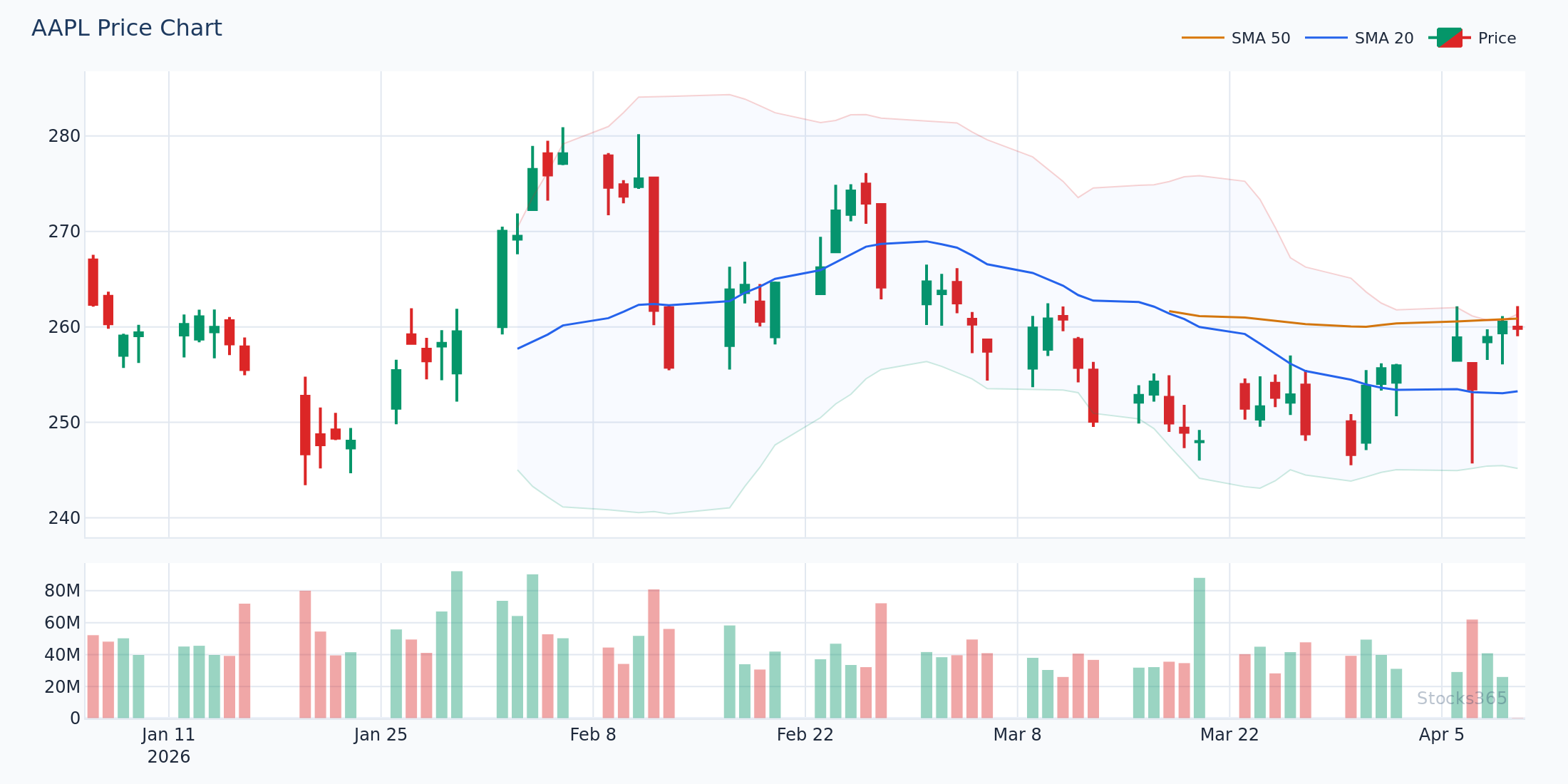
عندما تراقب الإشارات على لوحة تحكم Stocks365، يتم تقييم تنبيهات اختراق وضغط بولينجر باند عبر نظام درجة الثقة الخاص بنا قبل عرضها. هذا يعني أن إشارة اختراق بولينجر باند على، مثلاً، AAPL ستحصل فقط على تصنيف ثقة عالٍ إذا كانت مؤكدة بالحجم، متوافقة مع اتجاه السوق الأوسع، وغير متناقضة مع مؤشرات زخم متباعدة.
هذا التحقق متعدد الطبقات يُعالج أكبر نقطة ضعف في بولينجر باند المعزولة: الاختراقات الخاطئة. في الأسواق المتقلبة، يمكن أن يرتفع السعر فوق النطاق العلوي وينعكس فوراً — مُكلفاً المتداولين الذين تصرفوا على لمس النطاق وحده. نظام درجة الثقة يأخذ هذا في الاعتبار، مُوزناً الإشارات ذات التأكيد متعدد المؤشرات أعلى بكثير من لمسات المؤشر الواحد.
مرجع سريع: ورقة غش إعدادات بولينجر باند
- المضاربة السريعة (1-5 دقيقة): فترة 10، انحراف 1.5
- التداول اليومي (15 دقيقة – ساعة): فترة 20، انحراف 2.0
- التداول المتأرجح (يومي): فترة 20-30، انحراف 2.0
- تداول المراكز (أسبوعي): فترة 50، انحراف 2.5
- الأصول عالية التقلب (العملات الرقمية/عالية البيتا): فترة 20، انحراف 2.5-3.0
- الأصول منخفضة التقلب (القيادية الكبرى/المنافع): فترة 20، انحراف 1.5-2.0
النقاط الرئيسية
📌 النقاط الرئيسية: إعدادات بولينجر باند
• الإعدادات الافتراضية 20/2.0 نقطة انطلاق جيدة لكن يجب تعديلها لأسلوب تداولك ونوع الأصل.
• الفترات الأقصر (10-15) تزيد الحساسية للمضاربة؛ الفترات الأطول (50) تنعّم الضوضاء لتداول المراكز.
• مضاعفات الانحراف المعياري الأعلى (2.5-3.0) مناسبة للأصول عالية التقلب مثل NVDA أو TSLA.
• ضغوط بولينجر باند من أوثق إعدادات ما قبل الاختراق — راقب Bandwidth الذي يصل لأدنى مستويات متعددة الأشهر.
• اجمع دائماً بولينجر باند مع مؤشر زخم مثل RSI للحصول على إشارات مؤكدة ذات احتمالية أعلى.
• تجنّب ملاءمة المنحنى لإعداداتك على بيانات تاريخية — اختبر عبر ظروف سوق متعددة.
• نظام درجة الثقة في Stocks365 يساعد على فلترة إشارات بولينجر باند بتأكيدها عبر عوامل فنية متعددة قبل أن تصل إلى قائمة مراقبتك.
الأسئلة الشائعة
ما هي أفضل إعدادات بولينجر باند الافتراضية للمبتدئين؟
ابدأ بالإعدادات القياسية: متوسط متحرك بسيط لمدة 20 فترة للنطاق الأوسط، وانحرافان معياريان (2.0) للنطاقين العلوي والسفلي. هذا التكوين كان المعيار الصناعي لعقود ويعمل بشكل جيد على الرسوم البيانية اليومية للتداول المتأرجح. بمجرد أن تصبح مرتاحاً في تفسير ما تُظهره النطاقات، ابدأ بتجربة تعديلات الفترة لتتناسب مع إطارك الزمني. إذا كنت أيضاً تتعلم استخدام RSI، فإن دليل المبتدئين لـRSI يتوافق جيداً مع تعليم بولينجر باند.
هل يجب تعديل إعدادات بولينجر باند حسب الإطار الزمني المختلف؟
بالتأكيد — هذا واحد من أهم التخصيصات التي يمكنك إجراؤها. إعداد 20 فترة على الرسم البياني اليومي يلتقط تقريباً شهراً من بيانات التداول، وهو ذو معنى للمتداولين المتأرجحين. على رسم بياني دقيقة واحدة، 20 فترة تلتقط 20 دقيقة فقط من البيانات، وقد يكون بطيئاً جداً للمضاربين. كقاعدة عامة: استخدم فترات أقصر (10-14) للمضاربة اليومية، و20 القياسية للتداول اليومي والمتأرجح، وفترات أطول (50+) للتداول الأسبوعي طويل الأجل.
لماذا تُعطي بولينجر باند إشارات اختراق خاطئة؟
الاختراقات الخاطئة هي التحدي الأكثر شيوعاً في بولينجر باند. تحدث عندما يتجاوز السعر نطاقاً لفترة وجيزة لكن ينعكس سريعاً، محاصراً المتداولين الذين دخلوا عند لمس النطاق. الأسباب الرئيسية هي: الاختراقات منخفضة الحجم (لا مشاركة مؤسسية)، التداول ضد الاتجاه السائد، والتصرف عند لمس النطاق دون تأكيد زخم. أفضل دفاع هو طلب تأكيد RSI — لمسة السعر للنطاق العلوي يجب أن تتزامن مع RSI فوق 60-65 لتأكيد زخم صعودي حقيقي، وليس قمة انفجارية. فهم كيف يُحسب RSI يساعدك على تفسير هذه التأكيدات بدقة أكبر.
ما الانحراف المعياري الذي يجب استخدامه للأسهم شديدة التقلب مثل NVDA أو TSLA؟
بالنسبة للأسهم عالية البيتا وعالية التقلب، فكّر في زيادة مضاعف الانحراف المعياري إلى 2.5 أو حتى 3.0. عند الإعداد الافتراضي 2.0، ستُخترق النطاقات بشكل أكثر تكراراً بسبب تقلبات الأسعار الطبيعية الواسعة لهذه الأسهم، مما يولد إشارات مفرطة. انحراف 2.5 يضمن أن الحركات الشديدة حقاً فقط — الأحداث الاستثنائية الحقيقية — تُطلق إشارات لمس النطاق، محسّنةً جودة الإشارة بشكل كبير. يمكنك التحقق من ذلك بمراجعة عدد مرات اختراق النطاقات الافتراضية على سهم مثل NVDA خلال فترة 3 أشهر.
هل يمكنني استخدام بولينجر باند كنظام تداول مستقل؟
ليس بشكل موثوق. بولينجر باند هي أداة لقياس التقلب ونطاق السعر — تُخبرك أين يقع السعر بالنسبة لمداه الإحصائي الأخير، لكنها لا توفر ميلاً اتجاهياً أو تأكيد زخم بمفردها. النهج الأكثر فاعلية هو دمج بولينجر باند مع مذبذب زخم (RSI أو Stochastic أو MACD)، ومؤشر حجم، ومرشح اتجاه (مثل متوسط متحرك لـ200 فترة). هذا النهج متعدد التوافق يقلل بشكل كبير الإشارات الخاطئة ويحسّن ملف المخاطر/العائد لكل صفقة تأخذها.