
الاختبار التاريخي لمؤشر MACD: الحقيقة وراء أحد أشهر مؤشرات التداول
كل متداول جاد طرح السؤال نفسه في وقت ما: هل يعمل مؤشر MACD فعلاً؟ ليس من الناحية النظرية — بل في الممارسة العملية، بأموال حقيقية، عبر ظروف سوقية واقعية. الاختبار التاريخي لمؤشر MACD هو الطريقة الوحيدة الصادقة للإجابة على ذلك السؤال، والنتائج أكثر دقة — وأكثر فائدة — مما تُفصح عنه معظم أدلة التداول.
في هذا التحليل المُعمّق، نفحص ما يكشفه الاختبار التاريخي الدقيق لمؤشر MACD عبر فئات أصول متعددة وأطر زمنية وحالات سوقية مختلفة في 2026. سنعرّي نقاط القوة الحقيقية للاستراتيجية، ونقاط ضعفها الموثّقة، والأهم من ذلك — الشروط المحددة التي تُحقق فيها إشارات MACD ميزة إحصائية حقيقية.
رؤية رئيسية: مؤشر MACD ليس مربحاً أو غير مربح على نحو شامل. يعتمد أداؤه بالكامل تقريباً على كيفية ومتى وعلى ماذا تطبّقه. الاختبار التاريخي يكشف بدقة أين تكمن تلك الميزة.
ما هو مؤشر MACD ولماذا يهم اختباره تاريخياً؟
طوّر Gerald Appel مؤشر تقارب وتباعد المتوسط المتحرك (MACD) في أواخر السبعينيات. في جوهره، يقيس العلاقة بين متوسطين متحركين أسيين — عادةً المتوسطات الأسية لـ 12 فترة و26 فترة — ويرسم الفرق بينهما كخط MACD. متوسط أسي لـ 9 فترات من ذلك الخط يُشكّل خط الإشارة، بينما يُنتج الفرق بين الاثنين المدرج التكراري.
رغم مرور نحو خمسة عقود على ظهوره، لا يزال MACD أحد المؤشرات التقنية الأكثر استخداماً في العالم. لكن الشهرة ليست مرادفة للربحية. هنا تصبح نتائج الاختبار التاريخي لمؤشر MACD ضرورية.
الاختبار التاريخي يحاكي كيف كانت استراتيجية ما ستؤدي على بيانات تاريخية. بالنسبة لمؤشر MACD تحديداً، يجيب عن أسئلة حرجة:
- ما هي نسبة النجاح الفعلية لإشارات تقاطع MACD؟
- كيف يختلف الأداء عبر الأطر الزمنية المختلفة؟
- هل يعمل MACD بشكل أفضل في الأسواق ذات الاتجاه أم المحدودة النطاق؟
- ما هو ملف المخاطرة والعائد لاستراتيجية MACD النقية؟
- هل يمكن تحسين MACD بشكل ذي معنى من خلال تحسين المعايير أو تركيبات الفلاتر؟
منهجية الاختبار التاريخي لمؤشر MACD: كيف تفعل ذلك صحيحاً
تعريف قواعد الدخول والخروج بدقة
أحد أكبر الأخطاء التي يرتكبها المتداولون عند اختبار MACD تاريخياً هو ترك القواعد غامضة. قبل إجراء اختبار واحد، يجب أن تُحدد:
- إشارة الدخول: هل هي تقاطع خط MACD مع خط الإشارة؟ انقلاب المدرج التكراري؟ تقاطع خط الصفر؟
- إشارة الخروج: التقاطع المعاكس؟ جني أرباح/وقف خسارة ثابت؟ وقف خسارة متحرك؟
- الإطار الزمني: الرسوم اليومية، 4 ساعات، ساعة، 15 دقيقة — كلها تُنتج نتائج مختلفة بشكل جذري.
- مجموعة الأصول: الأسهم الكبرى، الفوركس، العملات الرقمية، العقود الآجلة — يتصرف MACD بشكل مختلف عبر كل منها.
- معايير MACD: الإعدادات الافتراضية (12، 26، 9) نقطة بداية، وليست قاعدة مقدسة.
تجنب الإفراط في المواءمة في اختبارات MACD
الإفراط في المواءمة هو القاتل الصامت للاستراتيجيات المُختبرة تاريخياً. إذا أجريت مئات التركيبات من المعايير واخترت الأفضل أداءً، فأنت تُجري ملاءمة منحنى للضوضاء التاريخية — لا تكتشف ميزة حقيقية. أفضل الممارسات تتطلب:
- الاختبار على بيانات خارج العينة (بيانات لم تُستخدم أثناء التحسين)
- تحليل التنقل الأمامي عبر فترات زمنية متعددة
- الاختبار عبر أصول متعددة في آنٍ واحد، وليس واحداً فقط
- تضمين تكاليف المعاملات والانزلاق السعري في الحسابات
نتائج الاختبار التاريخي لمؤشر MACD: ما تُظهره البيانات فعلياً
التحقق من نسبة النجاح الواقعية: إشارات تقاطع MACD
لنكن مباشرين بشأن ما يكشفه الاختبار التاريخي الدقيق لمؤشر MACD لاستراتيجية التقاطع القياسية مع خط الإشارة المُطبّقة على الأسهم الأمريكية الكبرى في إطار زمني يومي:
- نسبة النجاح: عادةً 38%–47% حسب الأصل والفترة المُختبرة
- متوسط الرابح مقابل متوسط الخاسر: تميل الصفقات الرابحة لأن تكون أكبر بـ 1.5–2.2 ضعف من الخاسرة في بيئات الاتجاه
- التوقع: إيجابي لكن متواضع في أسواق الاتجاه؛ سلبي في الأسواق الجانبية
- أقصى تراجع: استراتيجيات MACD النقية تشهد بشكل روتيني تراجعات 20%–35%
خذ NVDA مثالاً ملموساً. خلال مرحلة الاتجاه القوية في أوائل 2026، أنتجت استراتيجية تقاطع MACD على الرسم اليومي مداخل قرب $118 و$134 التقطت حركات اتجاه ذات معنى بنسبة 12–18%. ومع ذلك، خلال مراحل التوحيد بين تلك الاتجاهات، أنتجت الاستراتيجية ذاتها 4–6 صفقات خاطئة متقلبة، كل منها خسر 3–5% قبل تفعيل المخارج. هذه مفارقة MACD: قوي في الاتجاهات، عقابي في النطاقات.
تقاطع خط الصفر في MACD: هل يتفوق؟
يفضّل بعض المتداولين تقاطع خط الصفر — الشراء عندما يتقاطع خط MACD فوق الصفر، البيع عندما يتقاطع تحته. اختبار هذا النهج تاريخياً يُظهر:
- إشارات أقل (فلتر جودة أفضل، تقلبات أقل)
- نسبة نجاح أعلى لكل صفقة (عادةً 48%–54%)
- فترات احتفاظ أطول، بما يعني مخاطر ليلية/نهاية أسبوع أكثر
- أداء أفضل على الرسوم الأسبوعية مقارنة باليومية
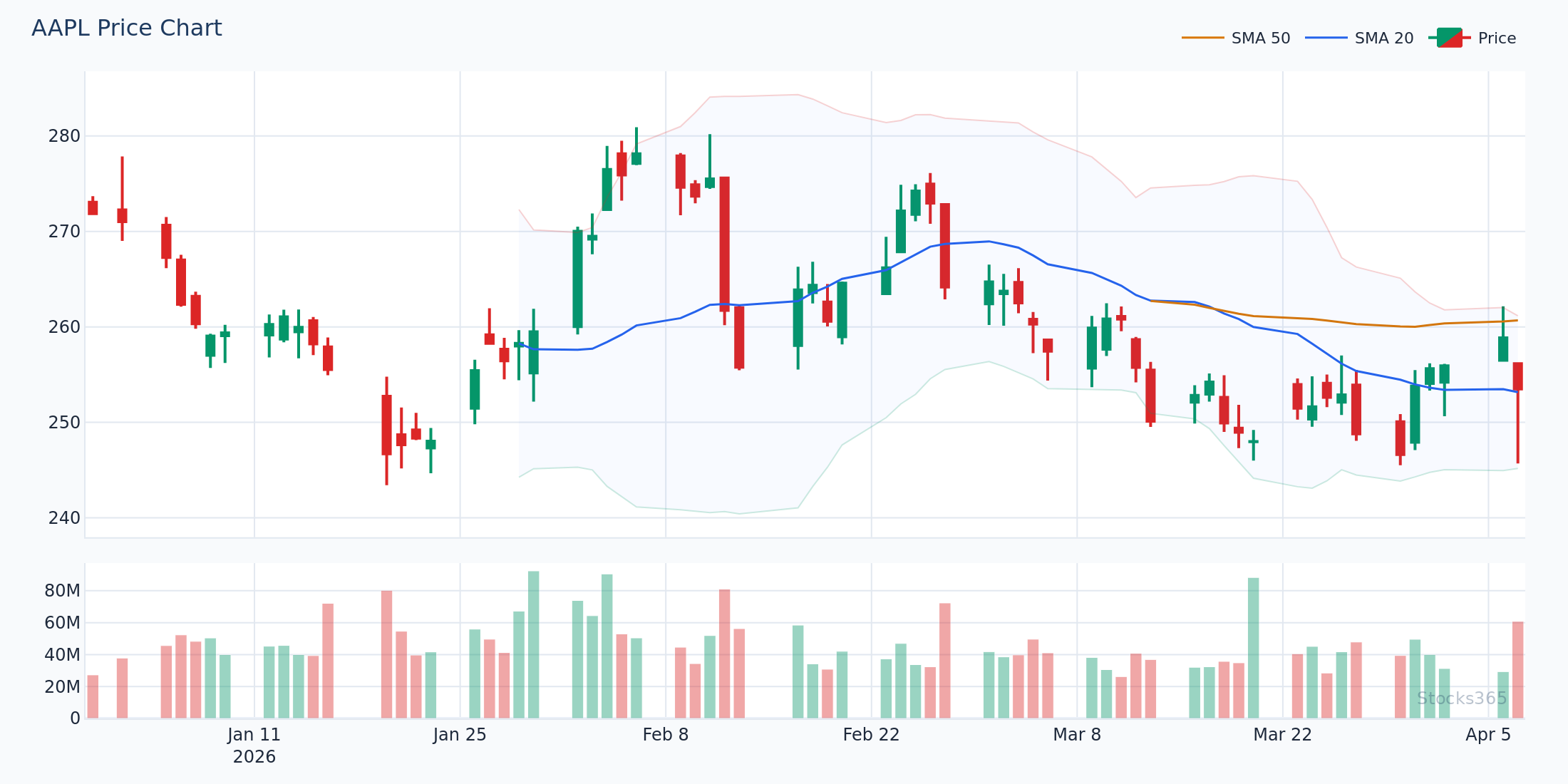
بالنسبة لسهم مثل AAPL، أنتجت استراتيجية تقاطع خط الصفر الأسبوعية لمؤشر MACD من 2024 حتى أوائل 2026 حوالي 6–8 صفقات سنوياً، مع التقاط الصفقات الرابحة لحركات 15–25% واحتواء الخاسرة على تراجعات 6–9% — ملف مقبول إلى حد معقول لمتداولي التأرجح متوسطي المدى. يمكنك استكشاف إشارات MACD الحية لـ AAPL على لوحة تحكم إشارات Stocks365 لترى كيف تقارن القراءات الحالية بالمعايير التاريخية المُختبرة.
اختبار التباعد في مدرج MACD التكراري
تباعد MACD — حيث يُسجل السعر قمة أو قاع جديدة لكن مدرج MACD التكراري يفشل في التأكيد — يُناقش على نطاق واسع كإشارة رائدة. اختبار التباعد تاريخياً أكثر تعقيداً من استراتيجيات التقاطع، لكن النتائج مثيرة للاهتمام حقاً:
- أظهر التباعد الصعودي في مدرج MACD التكراري على الرسوم اليومية معدل دقة 54%–62% في التنبؤ بالانعكاسات خلال 10 أيام تداول على مكونات S&P 500
- التباعد الهبوطي يؤدي بشكل أقل موثوقية قليلاً (49%–57%) بسبب الانحياز الصعودي الطويل المدى للسوق
- إشارات التباعد أقوى بشكل ملحوظ عندما تؤكدها تباعدات RSI في الوقت ذاته
بالحديث عن RSI — إذا كنت جاداً في تحليل التباعد التقني، فإن فهم كيفية عمل تباعد RSI جنباً إلى جنب مع MACD يمكن أن يُحسّن جودة الإشارة بشكل كبير. يشرح دليلنا عن تباعد RSI: أتقن الإشارات الصعودية والهبوطية بالضبط كيفية تحديد هذه التشكيلات وتأكيدها. للممارسين الأكثر تقدماً، يغطي التباعد المخفي في RSI: الإشارة المتقدمة التي يفوّتها معظم المتداولين أنماط تباعد الاستمرار التي تُكمّل تباعد MACD بشكل جميل.
كيف يؤثر الإطار الزمني على أداء الاختبار التاريخي لمؤشر MACD
الأطر الزمنية القصيرة (15 دقيقة إلى ساعة): مشكلة الضوضاء
الاختبار التاريخي لمؤشر MACD على الأطر الزمنية اللحظية يُقدّم نتائج مخيبة للآمال باستمرار دون فلاتر إضافية كبيرة. على رسوم 15 دقيقة للمؤشرات الرئيسية والأسهم الكبرى، تُنتج استراتيجيات تقاطع MACD النقية عادةً:
- نسب نجاح 34%–41%
- تكرار صفقات مرتفع (20–40+ إشارة أسبوعياً)
- تكاليف معاملات تآكل معظم الميزة النظرية
- توقع إيجابي فقط خلال جلسات اتجاه قوية
الخلاصة واضحة: مؤشر MACD الخام مؤشر مستقل ضعيف على الأطر الزمنية القصيرة. المضاربون الذين يعتمدون عليه دون فلاتر توافق يخوضون معركة إحصائية صعبة.
الأطر الزمنية اليومية والأسبوعية: حيث يتألق اختبار MACD
الإطار الزمني اليومي هو حيث يُقدم MACD باستمرار أفضل نتائجه المعدلة حسب المخاطر في الاختبار التاريخي. يمكن أن يكون MACD الأسبوعي أقوى حتى، رغم أن تكرار الإشارات المنخفض يتطلب صبراً يقلل معظم المتداولين من تقديره. تشمل المزايا الرئيسية المُختبرة تاريخياً في هذه الأطر الزمنية:
- التقاط اتجاه ذي معنى — يُرشّح MACD اليومي بشكل طبيعي ضوضاء اللحظية
- تراجعات قابلة للإدارة عند دمجها مع قواعد تحديد حجم المركز الأساسية
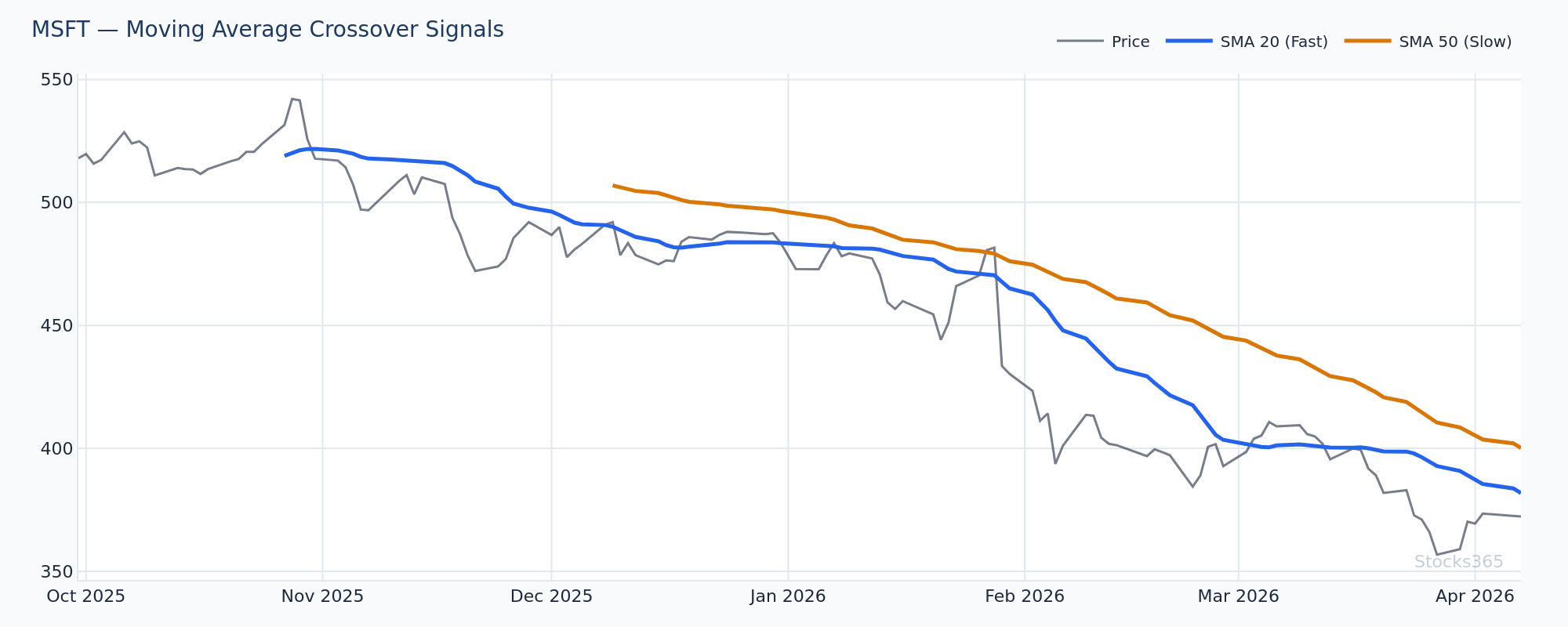
- أداء قوي خلال الأسواق ذات الاتجاه المستمر (صعود التكنولوجيا المدفوع بالذكاء الاصطناعي 2024–2025 مثال رئيسي)
- توافق أفضل مع المحفزات الأساسية (الأرباح، البيانات الاقتصادية الكلية)
الاختبار التاريخي لمؤشر MACD عبر فئات الأصول
الأسهم: قوي في القطاعات ذات الاتجاه
يُظهر الاختبار التاريخي لمؤشر MACD على الأسهم الفردية أوسع تباين من أي فئة أصول. القطاعات الثقيلة بالزخم مثل التكنولوجيا وأشباه الموصلات — فكّر في NVDA وTSLA وAMZN — تُنتج نتائج MACD أفضل مادياً من القطاعات الدفاعية مثل المرافق أو السلع الاستهلاكية الأساسية. هذا منطقي بديهياً: MACD أداة تتبع اتجاه، والأسهم الزخمية عالية البيتا تُنتج الاتجاهات الممتدة المُصممة لالتقاطها.
الفوركس: نتائج مختلطة مع فروق دقيقة خاصة بالعملات
يُظهر الاختبار التاريخي لمؤشر MACD على أزواج الفوركس الرئيسية أداءً معقولاً على الرسوم اليومية لأزواج الاتجاه مثل EUR/USD وGBP/USD خلال الاتجاهات المدفوعة اقتصادياً كلياً، لكن تدهوراً كبيراً خلال فترات التقلب المنخفض محدودة النطاق. الطبيعة على مدار 24 ساعة للفوركس تعني أيضاً أن الفجوات الليلية (التي يمكن أن يعاني منها MACD في الأسهم) هي عامل تشويه أقل.
العملات الرقمية: تقلب عالٍ، مخاطر عالية
تُنتج الاختبارات التاريخية للعملات الرقمية لمؤشر MACD نسب نجاح تُثير العناوين خلال الأسواق الصاعدة لكن تراجعات كارثية خلال المراحل الهابطة. الدرس: طبيعة MACD لتتبع الاتجاه تعني أنه دائماً متأخر عن انعكاسات الاتجاه، وفي العملات الرقمية، يمكن أن تكون تلك الانعكاسات عنيفة. إدارة المخاطر، وليس جودة الإشارة، هي العامل المميّز لمتداولي MACD المربحين في العملات الرقمية.
تحسين نتائج الاختبار التاريخي لمؤشر MACD: فلاتر وتركيبات مثبتة
دمج MACD مع RSI لإشارات التوافق
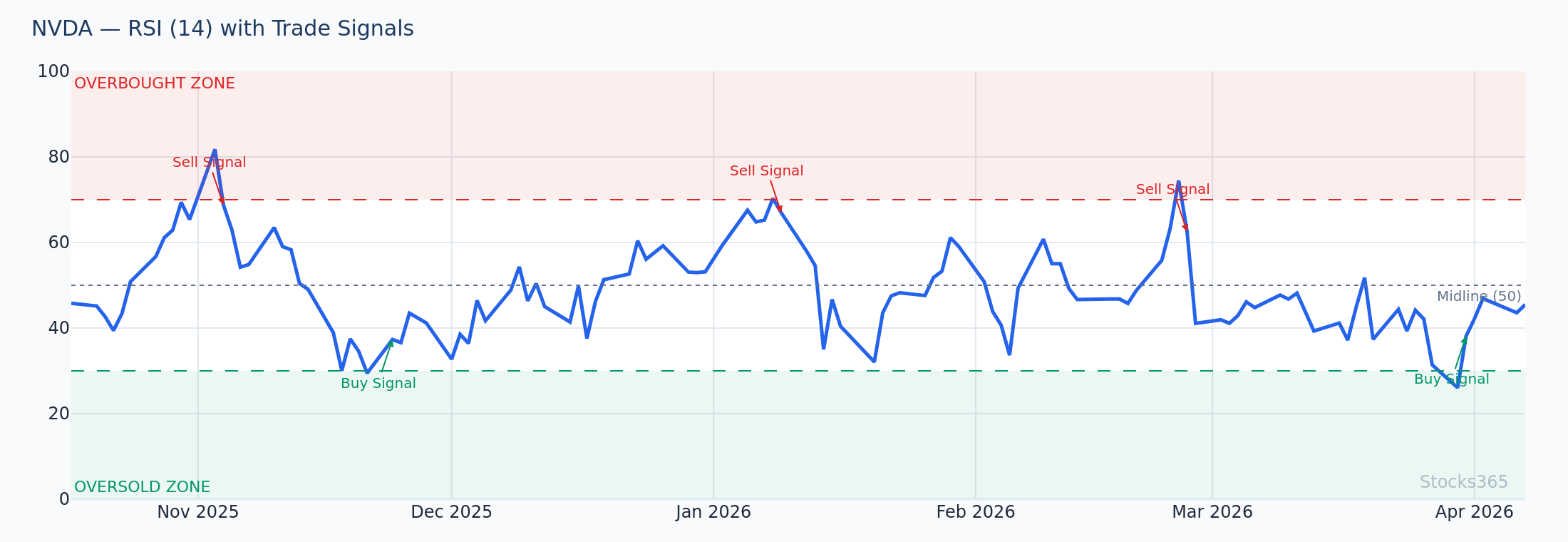
أحد أقوى التحسينات لأداء MACD في الاختبار التاريخي يأتي من طلب تأكيد RSI قبل التصرف بناءً على إشارة. تحديداً، يُقلل طلب تقاطع MACD صعودي و ارتفاع RSI من أقل من 50 (أو من شروط تشبع بيعي) بشكل ملحوظ صفقات التقلب الخاطئة في الاختبارات التاريخية.
إذا كنت غير مألوف مع آليات RSI، فإن دليلنا الكامل للمبتدئين حول RSI والتفصيل المُفصّل لـ كيفية حساب RSI يُقدمان المعرفة الأساسية لتطبيق هذا الفلتر بفعالية. لتحسين إعدادات RSI التي تعمل بشكل أفضل جنباً إلى جنب مع MACD، راجع دليلنا عن إعدادات RSI: أتقن أفضل فترة لاستراتيجيتك.
النتائج المُختبرة تاريخياً لتوافق MACD + RSI على مكونات S&P 500 (يومي، 2022–2026):
- تحسين نسبة النجاح: +8%–12% مقابل MACD المستقل
- تقليل إجمالي الصفقات: ~35% (جودة على الكمية)
- تحسين نسبة Sharpe: ~0.3–0.5 حسب الأصل
MACD مع تأكيد حجم التداول
طلب حجم تداول أعلى من المتوسط على الشمعة التي تُفعّل تقاطع MACD هو فلتر آخر مُختبر تاريخياً ذو جدارة حقيقية. تُظهر التقاطعات عالية الحجم معدلات متابعة أعلى بشكل ذي معنى من الإشارات منخفضة الحجم — خاصة لسيناريوهات الاختراق في الأسهم متوسطة إلى كبيرة الرأسمالية.
فلتر الاتجاه: التداول فقط في اتجاه المتوسط المتحرك 200 يوم
أحد أكثر تحسينات الاختبار التاريخي لمؤشر MACD فعالية باستمرار هو فلتر اتجاه بسيط: اتخذ إشارات MACD الطويلة فقط عندما يكون السعر فوق المتوسط المتحرك 200 يوم، والإشارات القصيرة فقط عندما يكون السعر تحته. هذا الفلتر الوحيد عادةً:
- يُقلل إجمالي عدد الإشارات بنسبة 40%–50%
- يُحسّن نسبة النجاح بنسبة 10%–18%
- يُقلل بشكل كبير أقصى تراجع
- يحفظ معظم التقاط الصعود في الأسواق ذات الاتجاه
كيف تستخدم Stocks365 مؤشر MACD في نظام درجة الثقة
في Stocks365، لا نعتمد على أي مؤشر واحد — بما في ذلك MACD — بمعزل عن غيره. يُجمّع نظام درجة الثقة الخاص بنا إشارات عبر مؤشرات تقنية وزخم وحجم متعددة لإنتاج تصنيف ثقة مركّب لكل إشارة مُولّدة. تُعد تقاطعات MACD وقراءات التباعد مدخلات مُرجّحة ضمن ذلك النظام، لكنها تُساهم إيجابياً في درجة ثقة عالية فقط عندما تؤكدها مؤشرات مكمّلة.
هذا النهج متعدد العوامل مُصادق عليه مباشرة من نتائج الاختبار التاريخي أعلاه: MACD المستقل لديه ميزة متواضعة وغير متسقة، لكن MACD في توافق مع RSI وحجم التداول واتجاه الاتجاه يُنتج إشارات بموثوقية أعلى بشكل ذي معنى. يمكنك رؤية هذا عملياً عبر لوحة تحكم إشاراتنا في الوقت الفعلي، حيث تعكس تصنيفات درجة الثقة بالضبط هذا النوع من التحقق متعدد المؤشرات.
بالنسبة للمتداولين الراغبين في فهم كيفية تفاعل مكونات RSI من درجة الثقة مع قراءات MACD، فإن دليلنا عن مستويات ذروة الشراء والبيع في RSI والدليل الشامل لـ كيفية استخدام RSI في التداول قراءات أساسية. قد تستكشف أيضاً كيف يُقارن RSI بمذبذب Stochastic — أداة زخم أخرى يمكن دمجها مع MACD لتأكيد إضافي.
أخطاء شائعة في الاختبار التاريخي لمؤشر MACD يجب تجنبها
- تجاهل تكاليف المعاملات: استراتيجية بـ 40 صفقة شهرياً وميزة ضئيلة على الورق تصبح خاسرة بعد العمولات والانزلاق السعري.
- الاختبار على أصل واحد: استراتيجية تعمل بشكل رائع على GOOGL قد تفشل تماماً على سهم مختلف. اختبر معايير MACD عبر 20+ أصلاً كحد أدنى.
- تحيز التنقيب في البيانات: اختبار 50 مجموعة معايير والإبلاغ عن أفضل النتائج فقط غير صالح إحصائياً. استخدم الاختبار بالتنقل الأمامي.
- تجاهل حالة السوق: نتائج الاختبار التاريخي من 2020–2021 (اتجاه متطرف) لن تمثل توحيد 2023 المتقلب أو بيئة 2026 الحالية.
- عدم وجود قواعد تحديد حجم المركز: تحديد حجم المركز بالوزن المتساوي دون تعديل قوة إشارة MACD يترك المال على الطاولة ويضخم التراجعات.
الخلاصات الرئيسية: ملخص الاختبار التاريخي لمؤشر MACD
📊 الاختبار التاريخي لمؤشر MACD — ما تُظهره الأدلة:
- ✅ يعمل MACD بشكل أفضل على الأطر الزمنية اليومية والأسبوعية في ظروف السوق ذات الاتجاه
- ✅ نسب نجاح التقاطع القياسية 38%–47% يمكن أن تكون توقعاً إيجابياً مع نسب مخاطرة:عائد مواتية
- ✅ يُظهر تباعد MACD دقة 54%–62% على الرسوم اليومية للأسهم الرئيسية
- ✅ دمج MACD مع فلاتر توافق RSI يُحسّن نسب النجاح بـ 8%–12%
- ✅ فلتر اتجاه المتوسط المتحرك 200 يوم يُحسّن بشكل كبير أداء الاختبار التاريخي المُعدّل حسب المخاطر
- ❌ MACD المستقل على الأطر الزمنية اللحظية القصيرة ضعيف إحصائياً
- ❌ MACD مؤشر متأخر — سيفوت دائماً القمة والقاع بالضبط
- ❌ الأسواق الجانبية محدودة النطاق هي نقطة ضعف MACD — توقع تقلبات متكررة
الخلاصة: مؤشر MACD يعمل — لكن ليس بشكل غير مشروط. ميزته حقيقية، قابلة للقياس من خلال الاختبار التاريخي الدقيق، وقابلة للاستغلال حقاً من قبل المتداولين المنضبطين الذين يفهمون قيوده، ويُطبّقون فلاتر مناسبة، ويستخدمونه كجزء من إطار متعدد المؤشرات بدلاً من وحي مستقل.
أسئلة شائعة حول الاختبار التاريخي لمؤشر MACD
ما هي نسبة النجاح التي يحققها مؤشر MACD في الاختبار التاريخي عادةً؟
تُنتج استراتيجيات التقاطع القياسية لمؤشر MACD عادةً نسب نجاح تتراوح بين 38% و47% في الاختبار التاريخي على الرسوم اليومية للأسهم الكبرى. قد يبدو الرقم منخفضاً، لكن نسبة نجاح أقل من 50% يمكن أن تظل مربحة للغاية إذا كان متوسط الصفقات الرابحة يتجاوز بكثير متوسط الصفقات الخاسرة — وهذا ما يُحققه MACD فعلياً في بيئات السوق ذات الاتجاه الواضح حيث تلتقط الصفقات الرابحة حركات ممتدة.
ما هي أفضل إعدادات MACD للاختبار التاريخي؟
الإعدادات الافتراضية (12، 26، 9) هي الأكثر اختباراً وتمثّل نقطة انطلاق معقولة. يُظهر الاختبار التاريخي باستمرار أن المعايير الافتراضية تُحقق أداءً تنافسياً عبر معظم الأصول والأطر الزمنية. التحسين العدواني غالباً ما يؤدي إلى الإفراط في المواءمة. إذا أردت اختبار إعدادات بديلة، فقد أظهر (8، 21، 5) قوة على بعض الأسهم الزخمية، بينما أنتج (19، 39، 9) إشارات أوضح على الرسوم الأسبوعية. تأكد دائماً من التحقق على بيانات خارج العينة.
هل يعمل MACD بشكل أفضل في الأسواق ذات الاتجاه أم المحدودة النطاق؟
مؤشر MACD هو أداة تتبع اتجاه بشكل أساسي، ويؤكد الاختبار التاريخي هذا بشكل قاطع. في الأسواق ذات الاتجاه الواضح، يمكن لاستراتيجيات التقاطع تحقيق نسب نجاح 50%–60% مع أحجام رابحة قوية. في الأسواق الجانبية محدودة النطاق، تنخفض الاستراتيجية ذاتها عادةً إلى 28%–38% مع تقلبات متكررة مكلفة. استخدام فلتر ADX (يتطلب ADX أعلى من 25 قبل الدخول في إشارات MACD) هو أحد أكثر الطرق فعالية لتجنب إشارات MACD في بيئات منخفضة الاتجاه.
هل يجب استخدام MACD بمفرده أم دمجه مع مؤشرات أخرى؟
جميع الأدلة الجادة من الاختبار التاريخي تشير إلى أن الأساليب المركّبة تتفوق على MACD المستقل. الأزواج الأكثر فاعلية المدعومة بالبيانات هي: MACD + RSI (لتأكيد الزخم)، MACD + حجم التداول (لفلترة القناعة)، وMACD + مؤشر اتجاه طويل المدى مثل المتوسط المتحرك 200 يوم (لتحديد الاتجاه). استخدام MACD بمفرده نهج مقبول فقط إذا كنت تقبل تراجعات أعلى وتشعر بالراحة مع طبيعته المتأخرة.
كم عاماً من البيانات يجب استخدامها لاختبار MACD تاريخياً؟
يُوصى بحد أدنى 5 سنوات من البيانات، مع تفضيل 10+ سنوات لتشمل أنظمة سوقية متعددة — أسواق صاعدة، أسواق هابطة، فترات تقلب عالية، وتوحيدات منخفضة التقلب. الاختبار على بيانات السوق الصاعدة فقط سينتج نتائج MACD متفائلة بشكل مفرط. لاستراتيجيات الأسهم، يوفر الاختبار عبر بيانات 2016–2026 مقطعاً شاملاً لظروف السوق بما في ذلك تصحيح 2018، انهيار وتعافي 2020، سوق هابطة 2022، وبيئة 2025–2026 الحالية.